
Vegetable
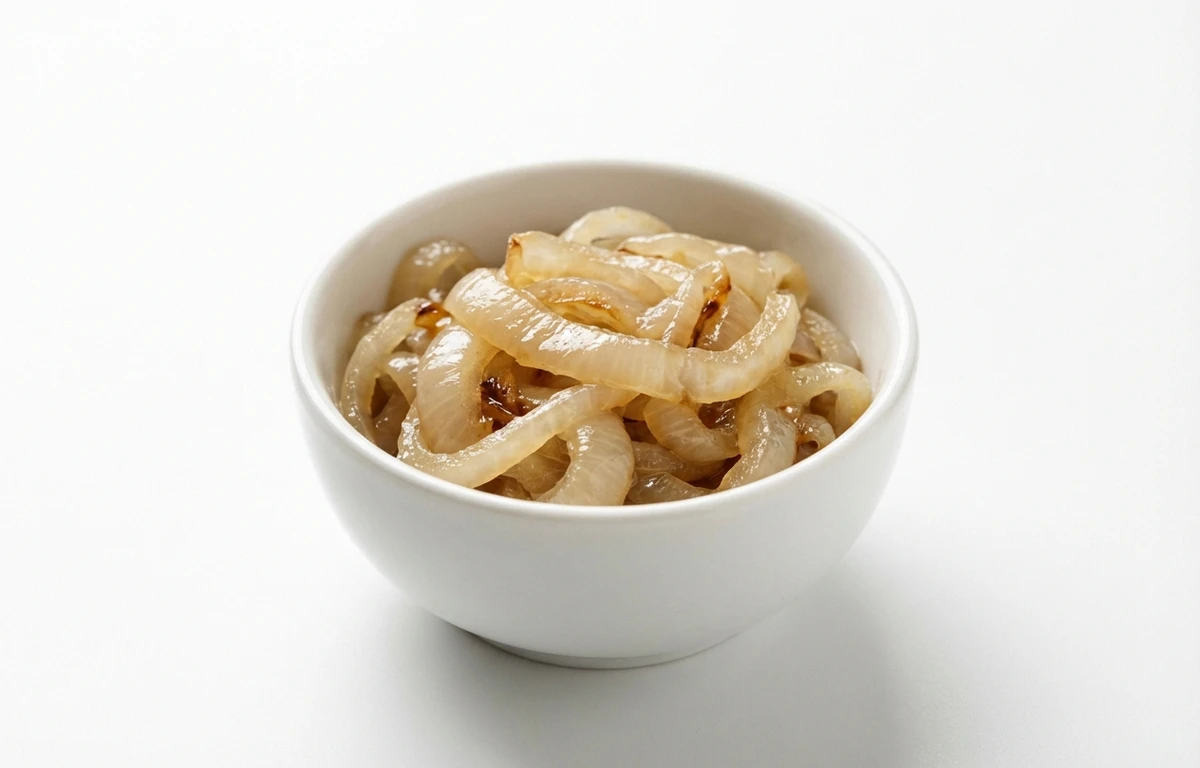
canned onion.
VegetarianVeganGluten-freeDairy-freeNut-freePeanut-freeSoy-freeEgg-freeShellfish-freeHoney-freeAlcohol-free
SERVING
CALORIES
19
PROTEIN
0.85g
CARBS
4.0g
FAT
0.09g
FIBER
1.2g
NUTRITION PROFILE · per 100 g
Everything in this ingredient.
MACRONUTRIENTS
Calories19kcal—
Protein0.85g2%
Carbohydrates4.0g1%
Fiber1.2g4%
Sugar2.2g4%
Total fat0.09g0%
Saturated fat0.02g0%
Trans fat0g—
Cholesterol0mg0%
Water94.1g—
MINERALS
Sodium371mg16%
Potassium111mg2%
Calcium45mg3%
Iron0.13mg1%
Magnesium6.0mg1%
Phosphorus28mg2%
Zinc0.29mg3%
Copper0.06mg7%
Manganese0.10mg4%
Selenium0.30µg1%
VITAMINS
Vitamin A0µg0%
Vitamin C4.3mg5%
Vitamin D0µg0%
Vitamin E0.07mg0%
Vitamin K0.20µg0%
Thiamin (B1)0.03mg3%
Riboflavin (B2)0.01mg1%
Niacin (B3)0.06mg0%
Pantothenic acid (B5)0.10mg2%
Vitamin B60.14mg8%
Folate (B9)10µg3%
Vitamin B120µg0%
%DV based on a 2,000 cal diet. Source: USDA FoodData Central. A dash in the %DV column means there’s no established Daily Value for that nutrient.
MEASUREMENT CONVERSIONS
How much is what.
1 cup160g
1 tablespoon10g
1 teaspoon3g
HEALTH BENEFITS
Why eat it.
- ✓Provides antioxidants like quercetin, which helps combat inflammation and cellular damage.
- ✓A convenient, low-calorie, and fat-free way to add flavor and some fiber to meals.
- ✓Contains sulfur compounds that may support heart health and circulation.
- ✓Offers a source of some vitamins and minerals, although levels may be lower than in fresh onions due to the canning process.
COOKING TIPS
In the kitchen.
- 1Rinse canned onions under cool water before use to reduce their sodium content.
- 2Since they are pre-cooked, add them towards the end of the cooking time for dishes like stews or casseroles to prevent them from becoming overly soft.
- 3They are excellent for making classic dishes like creamed onions or can be added directly to roasts or pot pies for convenience.
- 4Drain and marinate them in vinegar and herbs for a quick pickled onion to serve with salads or sandwiches.
STORAGE
Keep it fresh.
- Store unopened cans in a cool, dark, and dry place, such as a pantry, for up to 2-3 years.
- Once opened, transfer any unused onions and their liquid to an airtight glass or plastic container and refrigerate for up to 4 days.
FAQ
Frequently asked questions.
Are canned onions healthy?
Yes, canned onions are a healthy, low-calorie, and fat-free addition to meals. They provide antioxidants like quercetin and sulfur compounds that support heart health, though some heat-sensitive vitamins may be lower than in fresh onions due to the canning process.
How many calories and carbs are in canned onions?
Canned onions are very low in calories, containing approximately 19 calories per 100g. They are also low in carbohydrates, providing about 4.02g of carbs and less than 1g of protein per serving.
Are canned onions keto-friendly?
Yes, canned onions are keto-friendly as they contain only about 4g of carbohydrates per 100g. They are an excellent way to add flavor to low-carb meals without significantly increasing the calorie or sugar count.
Are canned onions vegan and gluten-free?
Plain canned onions are naturally vegan and gluten-free. However, always check the ingredient label for added sauces, flavorings, or preservatives that might contain gluten or animal-derived ingredients.
How do canned onions compare to fresh onions?
Canned onions offer similar antioxidant benefits but have a much softer texture and a milder, less pungent flavor than fresh onions. While they are more convenient and have a longer shelf life, they may contain added sodium used during the preservation process.
How do you use canned onions in cooking?
Canned onions are best used in cooked dishes like soups, stews, casseroles, and pot roasts where a soft texture is preferred. Because they are already processed, they require very little cooking time and should be added toward the end of the recipe.
Do I need to drain or rinse canned onions?
It is generally recommended to drain canned onions before use to remove the canning liquid. Rinsing them under cold water can also help reduce the sodium content if they were packed in a salty brine.
How should I store unopened canned onions?
Unopened cans should be stored in a cool, dry place like a pantry or kitchen cupboard. They typically remain shelf-stable for 2 to 5 years, but you should always check the 'best by' date on the can for optimal quality.
How long do canned onions last once opened?
Once opened, canned onions should be transferred from the tin to an airtight glass or plastic container and refrigerated. They will typically stay fresh for 3 to 4 days when stored properly in the fridge.
Can I eat canned onions raw?
While canned onions are safe to eat straight from the can, their texture is very soft and somewhat mushy compared to raw onions. They are generally more palatable when incorporated into cooked dishes or used as a topping for hot sandwiches.



















