
Protein
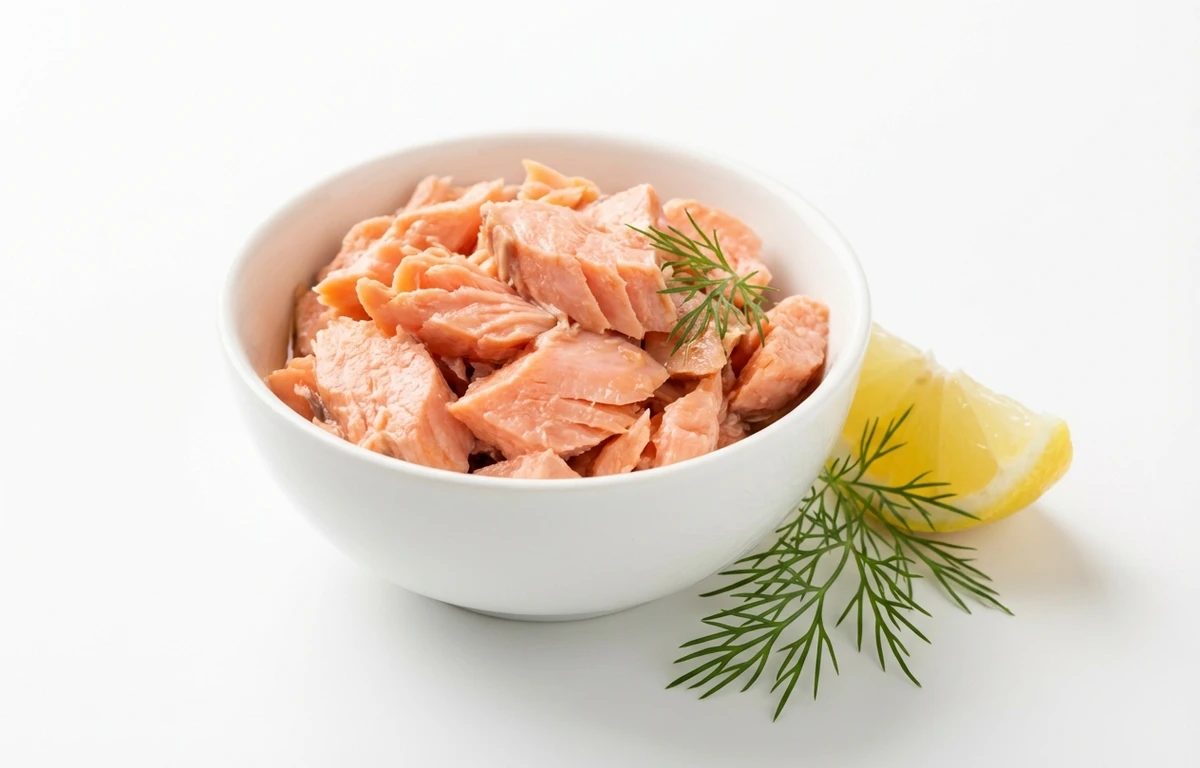
canned pink salmon.
VegetarianVeganGluten-freeDairy-freeNut-freePeanut-freeSoy-freeEgg-freeShellfish-freeHoney-freeAlcohol-free
SERVING
CALORIES
139
PROTEIN
20.5g
CARBS
0g
FAT
5.5g
FIBER
0g
NUTRITION PROFILE · per 100 g
Everything in this ingredient.
MACRONUTRIENTS
Calories139kcal—
Protein20.5g41%
Carbohydrates0g0%
Fiber0g0%
Sugar0g0%
Total fat5.5g7%
Saturated fat1.1g6%
Trans fat0g—
Cholesterol55mg18%
Water72g—
MINERALS
Sodium410mg18%
Potassium310mg7%
Calcium210mg16%
Iron0.80mg4%
Magnesium28mg7%
Phosphorus280mg22%
Zinc0.70mg6%
Copper0.06mg7%
Manganese0.02mg1%
Selenium42µg76%
VITAMINS
Vitamin A12µg1%
Vitamin C0mg0%
Vitamin D13.1µg66%
Vitamin E1.2mg8%
Vitamin K0.40µg0%
Thiamin (B1)0.03mg3%
Riboflavin (B2)0.15mg12%
Niacin (B3)7.5mg47%
Pantothenic acid (B5)0.70mg14%
Vitamin B60.30mg18%
Folate (B9)4.0µg1%
Vitamin B124.8µg200%
%DV based on a 2,000 cal diet. Source: USDA FoodData Central. A dash in the %DV column means there’s no established Daily Value for that nutrient.
MEASUREMENT CONVERSIONS
How much is what.
1 cup155g
1 tablespoon9.7g
1 teaspoon3.2g
1 oz28.4g
1 lb453.6g
1 ml0.6g
1 liter645.8g
HEALTH BENEFITS
Why eat it.
- ✓Excellent source of omega-3 fatty acids (EPA and DHA), which support heart and brain health.
- ✓Rich in high-quality protein, essential for muscle building, repair, and satiety.
- ✓High in calcium and Vitamin D, especially when the soft, edible bones are consumed, promoting strong bones.
- ✓Contains astaxanthin, a powerful antioxidant that helps protect cells from damage and reduces inflammation.
COOKING TIPS
In the kitchen.
- 1For a significant calcium boost, mash the soft, edible bones into the salmon flesh; they are unnoticeable in most recipes.
- 2Drain the liquid before using in salmon patties or salads to control moisture, but consider saving the liquid to add flavor to stocks or sauces.
- 3Since it's pre-cooked, add it at the end of the cooking process for hot dishes like pasta or chowder to prevent it from becoming dry.
- 4Flake and mix with mayonnaise, Greek yogurt, herbs, and lemon juice for a quick and nutritious sandwich filling or dip.
STORAGE
Keep it fresh.
- Store unopened cans in a cool, dark, dry place like a pantry for up to 5 years; check the expiration date.
- Once opened, transfer the salmon and any liquid to an airtight container and refrigerate for up to 3-4 days.
FAQ
Frequently asked questions.
Is canned pink salmon healthy?
Yes, canned pink salmon is highly nutritious, providing an excellent source of omega-3 fatty acids for heart and brain health. It is also rich in Vitamin D, calcium, and the antioxidant astaxanthin, which helps reduce inflammation and protect cells from damage.
How much protein and calories are in canned pink salmon?
A 100g serving of canned pink salmon contains approximately 139 calories and 20.5g of high-quality protein. It contains 5.5g of fat and is naturally free of carbohydrates, making it a very nutrient-dense food.
Is canned pink salmon good for weight loss?
Canned pink salmon is an excellent food for weight loss because its high protein content increases satiety and helps preserve muscle mass. Being low in calories and carb-free, it fits easily into most calorie-restricted meal plans.
Is canned pink salmon keto-friendly?
Yes, canned pink salmon is perfect for a keto or low-carb diet as it contains 0g of carbohydrates. Its combination of high protein and healthy omega-3 fats helps meet ketogenic nutritional requirements.
Can you eat the bones and skin found in canned pink salmon?
Yes, the skin and bones are completely edible and safe to consume. The canning process softens the bones to a point where they can be easily mashed with a fork, providing a significant boost of dietary calcium.
Is canned pink salmon gluten-free?
Plain canned pink salmon packed in water or oil is naturally gluten-free. However, you should always check the label if the salmon is seasoned or packed in a sauce, as those additives may contain gluten-based thickeners.
How do you use canned pink salmon in cooking?
Canned pink salmon is pre-cooked and ready to eat, making it perfect for salmon cakes, salads, or sandwiches. It can also be stirred into pasta sauces, omelets, or used as a protein topper for grain bowls.
How long does canned pink salmon last once opened?
Once the can is opened, any unused salmon should be transferred to an airtight glass or plastic container and refrigerated. It should be consumed within 2 to 3 days for optimal freshness and safety.
How can you tell if canned pink salmon has gone bad?
Discard the salmon if it has a sour, ammonia-like, or excessively 'fishy' odor, or if you notice any unusual discoloration or slime. Additionally, never consume salmon from a can that is leaking, bulging, or severely dented.
Is canned pink salmon high in mercury?
Pink salmon is considered a low-mercury fish because it is smaller and lower on the food chain than species like tuna or swordfish. This makes it a safer choice for regular consumption, including for pregnant women and children.



















