
Vegetable
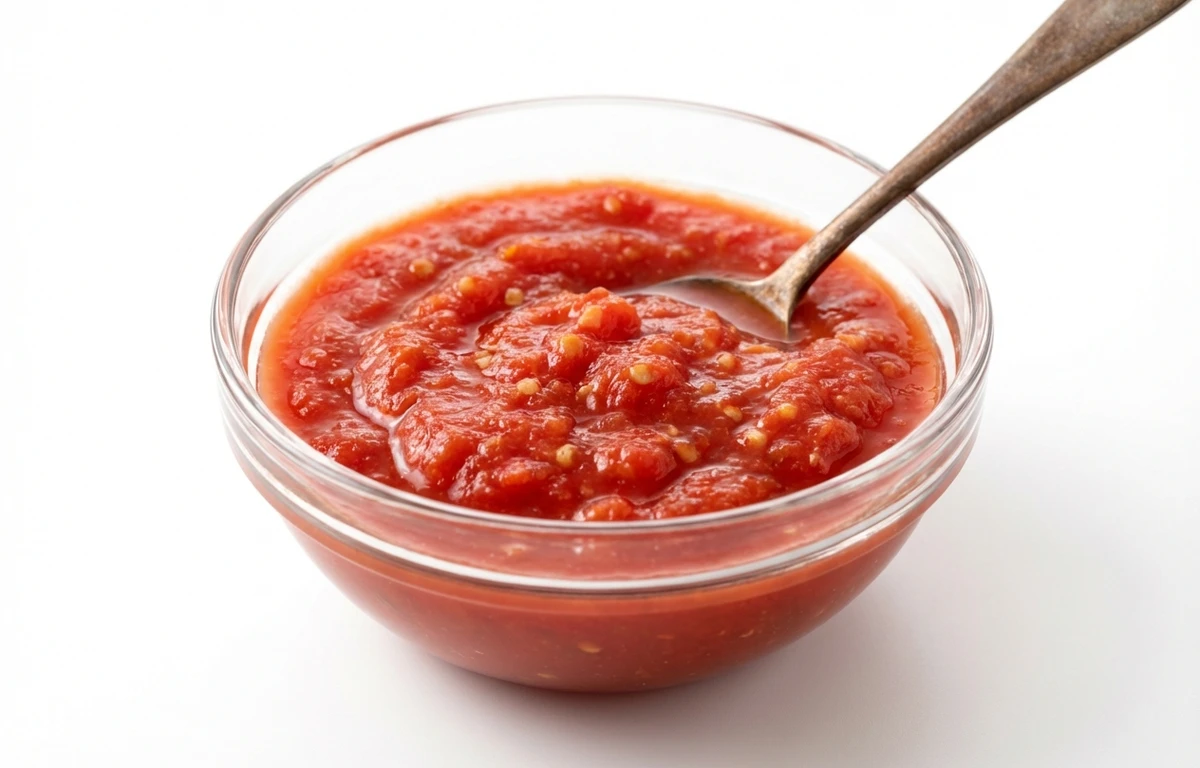
canned red tomato.
VegetarianVeganGluten-freeDairy-freeNut-freePeanut-freeSoy-freeEgg-freeShellfish-freeHoney-freeAlcohol-free
SERVING
CALORIES
16
PROTEIN
0.79g
CARBS
3.5g
FAT
0.25g
FIBER
1.9g
NUTRITION PROFILE · per 100 g
Everything in this ingredient.
MACRONUTRIENTS
Calories16kcal—
Protein0.79g2%
Carbohydrates3.5g1%
Fiber1.9g7%
Sugar2.5g5%
Total fat0.25g0%
Saturated fat0.03g0%
Trans fat0g—
Cholesterol0mg0%
Water94.8g—
MINERALS
Sodium115mg5%
Potassium191mg4%
Calcium33mg3%
Iron0.57mg3%
Magnesium10mg2%
Phosphorus17mg1%
Zinc0.12mg1%
Copper0.05mg6%
Manganese0.07mg3%
Selenium0.70µg1%
VITAMINS
Vitamin A20µg2%
Vitamin C12.6mg14%
Vitamin D0µg0%
Vitamin E0.59mg4%
Vitamin K2.6µg2%
Thiamin (B1)0.58mg48%
Riboflavin (B2)0.06mg5%
Niacin (B3)0.71mg4%
Pantothenic acid (B5)0.12mg2%
Vitamin B60.11mg6%
Folate (B9)8.0µg2%
Vitamin B120µg0%
%DV based on a 2,000 cal diet. Source: USDA FoodData Central. A dash in the %DV column means there’s no established Daily Value for that nutrient.
MEASUREMENT CONVERSIONS
How much is what.
1 cup240g
1 tablespoon15g
1 teaspoon5g
1 ml1g
1 liter1000g
HEALTH BENEFITS
Why eat it.
- ✓Rich source of lycopene, an antioxidant linked to reduced risk of certain cancers and heart disease. The canning process makes lycopene more bioavailable.
- ✓Good source of Vitamin C, which supports immune function, and Vitamin A, important for vision and skin health.
- ✓Contains potassium, which helps regulate blood pressure, and fiber, which can aid in digestion and cholesterol management.
COOKING TIPS
In the kitchen.
- 1Use the liquid from the can as it contains significant flavor and nutrients; do not drain unless a recipe specifically requires it.
- 2Canned tomatoes are ideal for slow-cooked dishes like pasta sauces, stews, and chilis, as their flavor deepens with simmering.
- 3For a brighter, fresher flavor in quick sauces, add canned tomatoes towards the end of the cooking time.
- 4To reduce acidity, add a pinch of sugar or a small amount of a sweet vegetable like carrot to your sauce.
STORAGE
Keep it fresh.
- Store unopened cans in a cool, dark, dry place like a pantry for up to 18-24 months. Avoid exposure to extreme heat or cold.
- After opening, transfer leftover tomatoes to an airtight glass or plastic container and refrigerate. Use within 5-7 days.
FAQ
Frequently asked questions.
Are canned tomatoes healthy?
Yes, canned tomatoes are highly nutritious and a rich source of lycopene, an antioxidant linked to heart health and cancer prevention. They also provide Vitamin C for immunity, Vitamin A for vision, and potassium to help regulate blood pressure.
How many calories and carbs are in canned tomatoes?
Canned red tomatoes are very low in calories, containing about 16 calories per 100g. They are also low in carbohydrates, with approximately 3.47g of carbs and 0.79g of protein per 100g serving.
Is the lycopene in canned tomatoes better than in fresh tomatoes?
The canning process involves heat, which actually makes the lycopene in tomatoes more bioavailable, meaning your body can absorb it more easily than from raw tomatoes. This makes canned tomatoes an excellent choice for boosting antioxidant intake.
Are canned tomatoes keto-friendly?
Yes, canned tomatoes are keto-friendly as they contain only about 3.5g of carbs per 100g. However, always check the label for added sugars or thickeners that might increase the carb count in specific brands.
Are canned tomatoes vegan and gluten-free?
Plain canned tomatoes are naturally vegan and gluten-free. If you are buying flavored varieties, such as those with added herbs or spices, check the ingredient list to ensure no animal products or gluten-containing additives were used.
Can I eat canned tomatoes straight from the can?
Yes, canned tomatoes are pre-cooked during the canning process and are safe to eat without further cooking. They are commonly used directly in salsas, cold gazpacho, or as a quick topping for bruschetta.
What is the best way to use canned tomatoes in cooking?
Canned tomatoes are incredibly versatile and are ideal for long-simmered dishes like pasta sauces, stews, soups, and curries. Their consistent flavor and texture make them a reliable pantry staple for building deep, savory bases.
How long do canned tomatoes last after opening?
Once opened, canned tomatoes should be transferred from the metal can to a glass or plastic airtight container and refrigerated. They will typically stay fresh for 5 to 7 days.
Can you freeze leftover canned tomatoes?
Yes, you can freeze leftover canned tomatoes for up to 6 months. It is best to freeze them in an airtight container or heavy-duty freezer bag, leaving a little space at the top for expansion.
How can I tell if canned tomatoes have gone bad?
Discard the product if the can is bulging, leaking, or deeply dented. Once opened, look for signs of mold, a foul odor, or a sharp metallic taste, which indicate the tomatoes are no longer safe to consume.



















