
Loading...
Also known as:
Per 100g
Nutrition data source: USDA FoodData Central
Common measurement equivalents in grams
Yes, they are highly nutritious and low in calories, containing only 22 calories per 100g. They are exceptionally rich in lycopene, an antioxidant linked to heart health and cancer prevention, and contain virtually no fat.
These tomatoes are a good source of Vitamin C for immune support and Vitamin K for bone health. They also provide potassium, which helps regulate blood pressure, and essential antioxidants like lycopene.
Yes, they are keto-friendly as they contain only 4.8g of carbohydrates per 100g. They are an excellent way to add flavor and nutrients to low-carb meals without significantly impacting daily carb counts.
Naturally, canned San Marzano tomatoes are both vegan and gluten-free. They consist of tomatoes and usually tomato juice or puree, making them safe for plant-based and celiac-friendly diets.
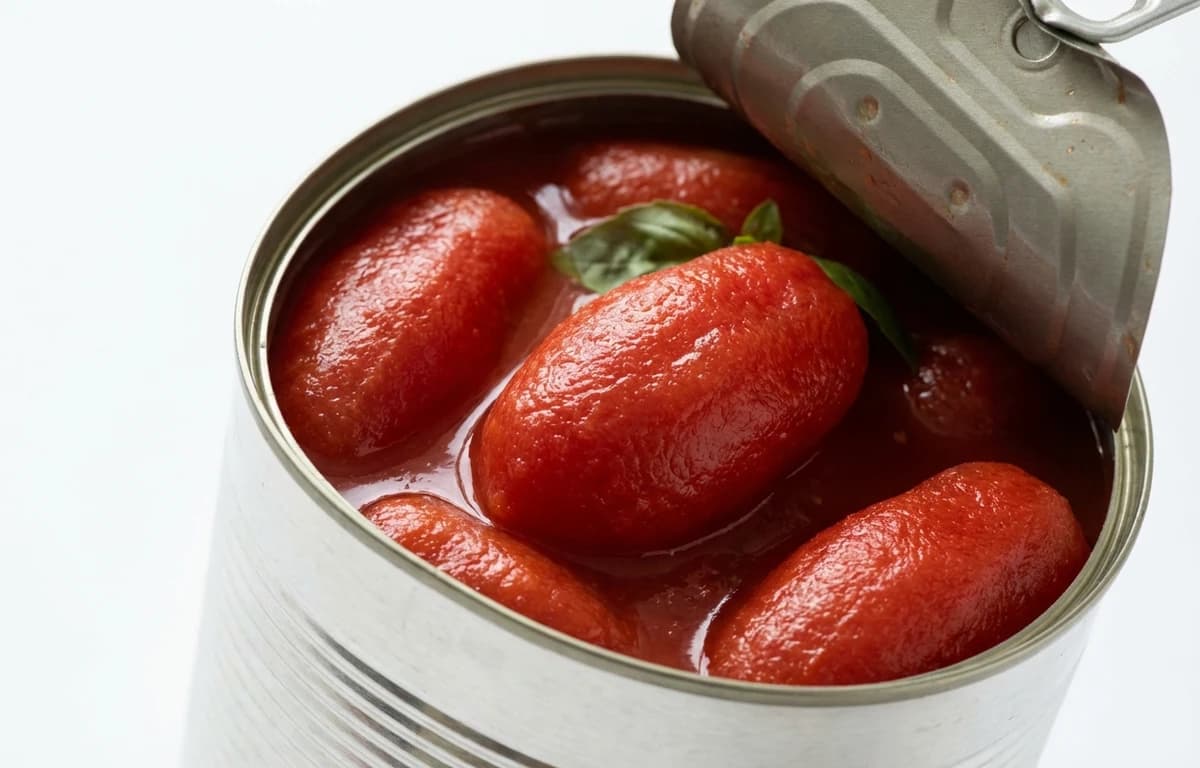
San Marzano tomatoes are grown in volcanic soil near Mount Vesuvius, giving them a sweeter flavor and lower acidity than standard tomatoes. They have a thinner skin, thicker flesh, and fewer seeds, which is ideal for sauces.
They are the preferred choice for authentic Italian pasta sauces and Neapolitan pizza. Simply crush them by hand or with a fork and simmer with olive oil, garlic, and basil for a classic marinara.
It depends on the recipe; the packing juice is full of flavor and can be used to thin out a sauce. However, if you are making a thick pizza sauce or topping, you may want to drain the tomatoes and use only the solids.
Canned San Marzano Tomatoes is a versatile ingredient found in cuisines around the world. With 22 calories per 100g and 1.1 grams of protein, it's a nutritious addition to many dishes.
Explore more ingredients in the fruit category with complete nutrition information.
View all fruit →Discover 1 recipes featuring canned san marzano tomatoes with step-by-step instructions.
Browse recipes →Once opened, transfer the tomatoes from the metal can into an airtight glass or plastic container. Storing them in the original can can lead to a metallic taste and faster spoilage.
When refrigerated in a proper container, they will stay fresh for 3 to 5 days. If you cannot use them within that time, they can be frozen in a freezer-safe bag or container for up to 6 months.
Look for the 'D.O.P.' seal (Protected Designation of Origin) on the label, which ensures they were grown in the Sarno Valley in Italy. Authentic cans will also feature a specific certification number and the words 'Pomodoro S. Marzano dell’Agro Sarnese-Nocerino'.