
Loading...
Per 100g
Nutrition data source: USDA FoodData Central
Common measurement equivalents in grams
Yes, canned corn is a nutritious vegetable that provides dietary fiber, B vitamins, and essential minerals like magnesium. It is particularly rich in antioxidants like lutein and zeaxanthin, which support eye health. For the healthiest option, choose varieties with no added salt.
A 100g serving of canned whole kernel corn contains approximately 67 calories and 14.34g of carbohydrates. It is a low-fat food, providing only about 1.22g of fat and 2.29g of protein per serving.
Canned corn is generally not considered keto-friendly because it is relatively high in starch and carbohydrates. With over 14g of carbs per 100g, it can quickly exceed the daily carb limits for those on a strict ketogenic diet.
Naturally, corn is 100% gluten-free. However, always check the ingredient label on the can to ensure no gluten-containing preservatives or flavorings have been added, and verify that it was processed in a gluten-free facility.
No, canned corn is already fully cooked during the canning process. It can be eaten cold straight from the can in salads and salsas, or heated briefly in a microwave or on a stovetop if preferred for warm dishes.
Draining and rinsing canned corn is highly recommended as it can reduce the sodium content by up to 40%. This is a simple way to make the ingredient heart-healthier without losing its fiber or antioxidant benefits.
Once the can is opened, you should transfer the corn to a glass or plastic airtight container. It will stay fresh in the refrigerator for approximately 3 to 4 days. Never store the corn in the original open metal can.
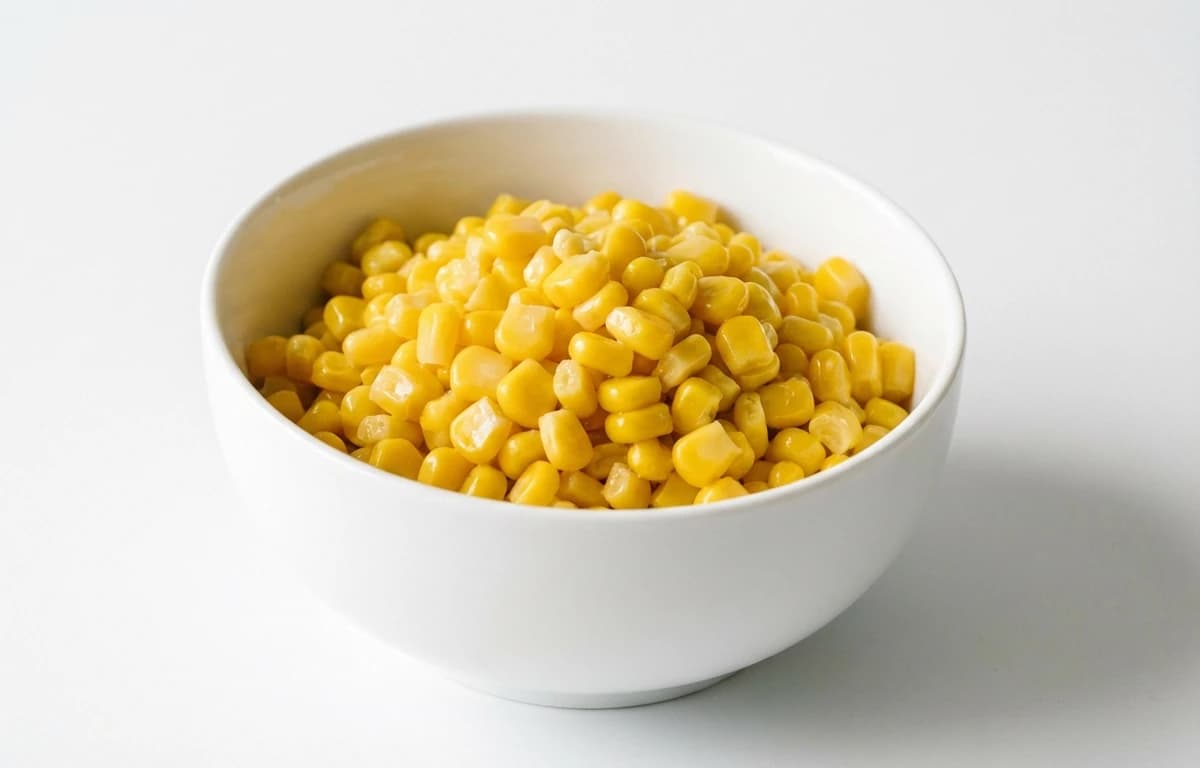
canned whole kernel corn is a versatile ingredient found in cuisines around the world. With 67 calories per 100g and 2.29 grams of protein, it's a nutritious addition to many dishes.
Explore more ingredients in the vegetable category with complete nutrition information.
View all vegetable →Discover 0 recipes featuring canned whole kernel corn with step-by-step instructions.
Browse recipes →Canned corn is very similar in nutrition to fresh corn because it is processed immediately after harvest. While some heat-sensitive vitamins may decrease slightly, the canning process can actually make certain antioxidants, like lutein, more bioavailable.
Diabetics can eat canned corn, but it should be consumed in moderation due to its carbohydrate content. The fiber in corn helps manage blood sugar levels by slowing digestion, but it is best to pair it with proteins or healthy fats to prevent glucose spikes.
Discard the corn if it has a sour smell, an unusually slimy texture, or if you see any mold. Additionally, never consume corn from a can that is bulging, leaking, or severely dented, as this may indicate the presence of harmful bacteria.