
Oil1 recipes
canola oil.
VegetarianVeganGluten-freeDairy-freeNut-freePeanut-freeSoy-freeEgg-freeShellfish-freeHoney-freeAlcohol-free
ALSO KNOWN AS
rapeseed oil
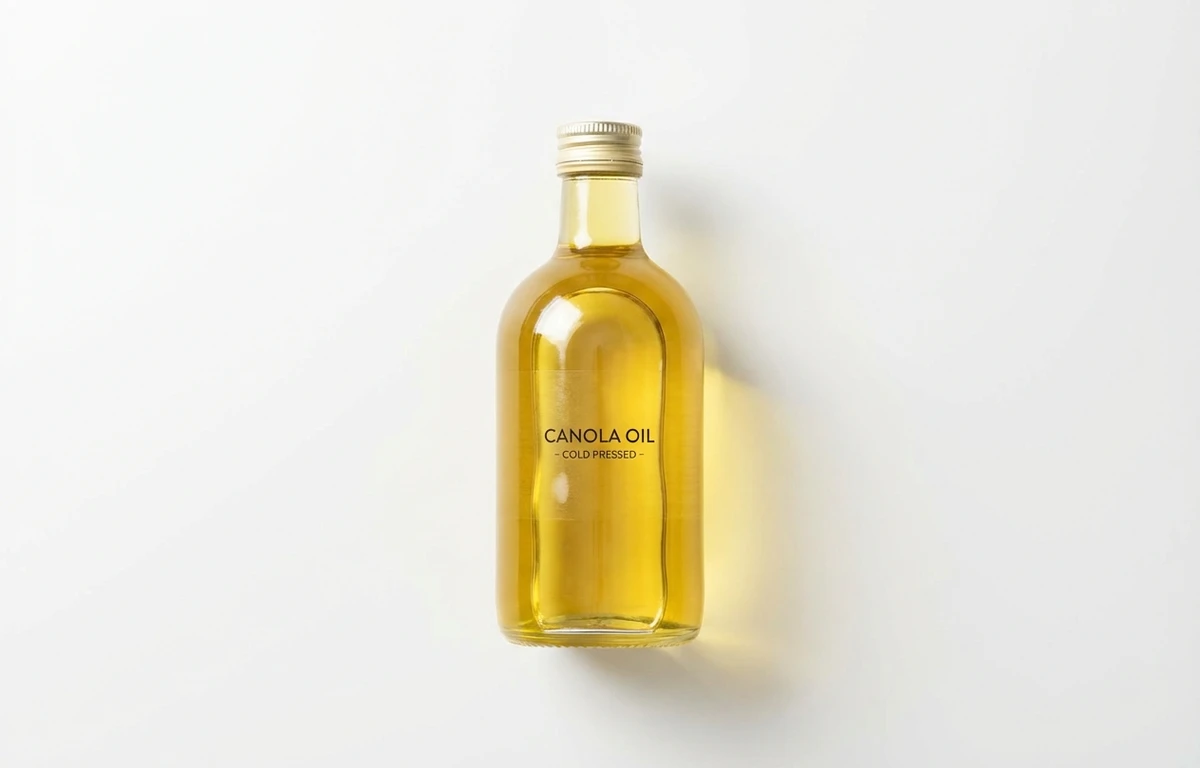
SERVING
CALORIES
884
PROTEIN
0g
CARBS
0g
FAT
100g
FIBER
0g
This ingredient is flagged as naturally gluten-free.
NUTRITION PROFILE · per 100 g
Everything in this ingredient.
MACRONUTRIENTS
Calories884kcal—
Protein0g0%
Carbohydrates0g0%
Fiber0g0%
Sugar0g0%
Total fat100g128%
Saturated fat7.4g37%
Cholesterol0mg0%
Water0g—
MINERALS
Sodium0mg0%
Potassium0mg0%
Calcium0mg0%
Iron0mg0%
VITAMINS
Vitamin A0µg0%
Vitamin C0mg0%
Vitamin D0µg0%
Vitamin E17.3mg115%
%DV based on a 2,000 cal diet. Source: USDA FoodData Central. A dash in the %DV column means there’s no established Daily Value for that nutrient.
MEASUREMENT CONVERSIONS
How much is what.
1 cup218g
1 tablespoon13.6g
1 teaspoon4.5g
1 ml0.9g
1 liter906.7g
HEALTH BENEFITS
Why eat it.
- ✓Rich in monounsaturated fats, which can help lower LDL (bad) cholesterol and support heart health.
- ✓Low in saturated fat compared to butter and other animal fats, making it a heart-healthier choice for cooking.
COOKING TIPS
In the kitchen.
- 1With a high smoke point (around 400°F / 204°C), it is excellent for high-heat cooking methods like sautéing, stir-frying, and roasting.
- 2Its neutral flavor and light texture make it a versatile choice for salad dressings, marinades, and baked goods where you don't want the oil's taste to dominate.
- 3Use it as a liquid fat substitute for melted butter or shortening in many baking recipes to lower the saturated fat content.
STORAGE
Keep it fresh.
- Store in a cool, dark place, such as a pantry, away from direct sunlight and heat to prevent rancidity.
- Keep the cap tightly sealed after each use to minimize exposure to air and preserve its quality. Use within one year of opening.
FAQ
Frequently asked questions.
How many calories and fat are in canola oil?
Canola oil is calorie-dense, containing approximately 884 calories and 100g of fat per 100g. Since it is 100% fat with no protein or carbohydrates, it should be used in moderation as part of a balanced diet.
Is canola oil better than olive oil?
Both are healthy options, but they serve different purposes. Canola oil has a higher smoke point and a neutral flavor, making it better for high-heat frying and baking, whereas olive oil is often preferred for dressings and low-heat cooking due to its flavor profile.
Is canola oil keto-friendly?
Yes, canola oil is keto-friendly because it contains zero net carbs and is composed entirely of fat. It is a common choice for those on a ketogenic diet looking for a neutral-tasting fat source for cooking.
What is the smoke point of canola oil and can I fry with it?
Canola oil has a high smoke point of approximately 400°F (204°C). This makes it ideal for high-heat cooking methods such as sautéing, stir-frying, and deep-frying, as it won't break down or produce harmful smoke easily.
What does canola oil taste like?
Canola oil has a very neutral, mild flavor and a light texture. This makes it a versatile kitchen staple because it does not alter the taste of the foods you are cooking or baking.
Can I substitute butter with canola oil in baking?
Yes, you can substitute canola oil for melted butter in most baking recipes to reduce saturated fat. Use a ratio of about 3/4 cup of oil for every 1 cup of butter; this works particularly well for moist cakes, muffins, and quick breads.
How should I store canola oil and how long does it last?
Store canola oil in a cool, dark place like a pantry, away from heat sources like the stove. Unopened bottles can last up to a year, while opened bottles are typically best used within 6 to 12 months for optimal freshness.
How do I know if canola oil has gone bad?
You can tell if canola oil is rancid if it develops a sharp, unpleasant, or 'off' odor similar to old paint or crayons. If the oil tastes bitter or has a significantly darker color than when purchased, it should be discarded.
RECIPES
Cook with canola oil.
1 recipes · sorted by what’s quick



















