
Other
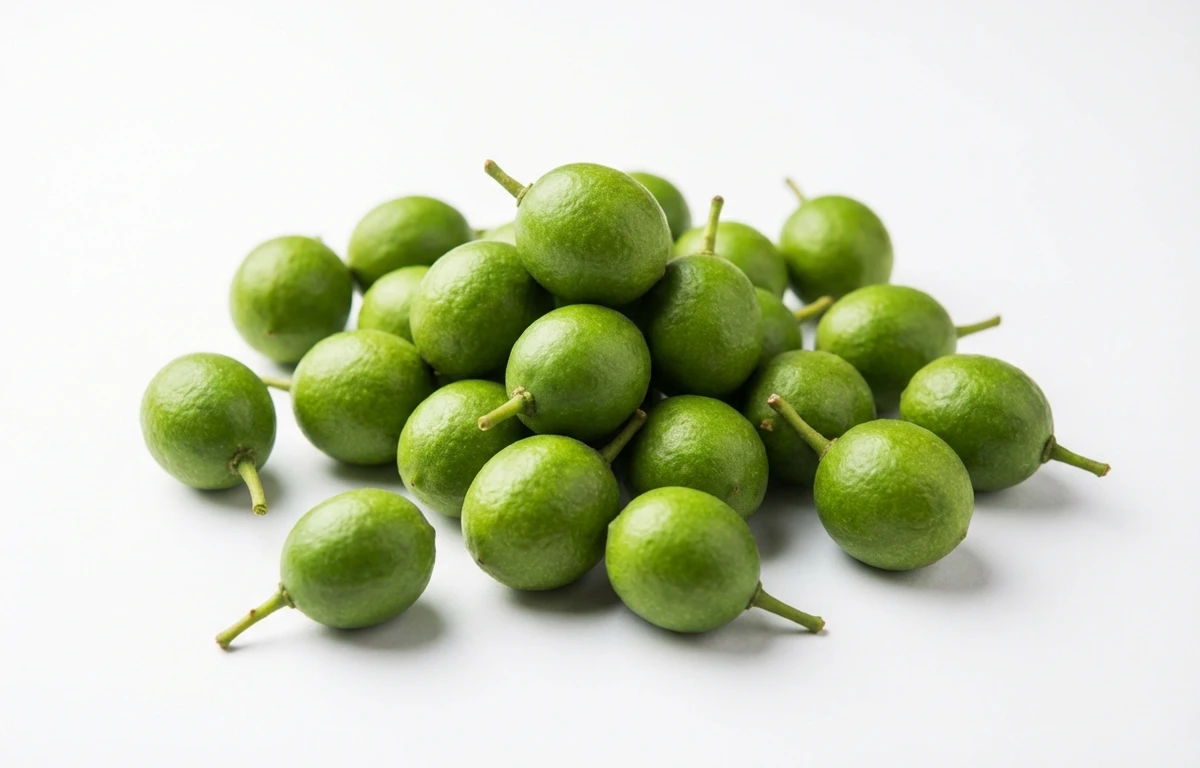
capparis decidua.
VegetarianVeganGluten-freeDairy-freeNut-freePeanut-freeSoy-freeEgg-freeShellfish-freeHoney-freeAlcohol-free
ALSO KNOWN AS
kerKairKariraDesert CaperTeet
SERVING
CALORIES
60
PROTEIN
4.5g
CARBS
12g
FAT
0.70g
FIBER
6.0g
NUTRITION PROFILE · per 100 g
Everything in this ingredient.
MACRONUTRIENTS
Calories60kcal—
Protein4.5g9%
Carbohydrates12g4%
Fiber6.0g21%
Sugar6.0g12%
Total fat0.70g1%
Saturated fat0.10g1%
Trans fat0g—
Cholesterol0mg0%
Water75g—
MINERALS
Sodium10mg0%
Potassium300mg6%
Calcium100mg8%
Iron2.0mg11%
Magnesium33mg8%
Phosphorus10mg1%
Zinc0.32mg3%
Copper0.37mg41%
Manganese0.08mg3%
Selenium1.2µg2%
VITAMINS
Vitamin A50µg6%
Vitamin C20mg22%
Vitamin D0µg0%
Vitamin E0.88mg6%
Vitamin K24.6µg21%
Thiamin (B1)0.02mg2%
Riboflavin (B2)0.14mg11%
Niacin (B3)0.65mg4%
Pantothenic acid (B5)0.03mg1%
Vitamin B60.02mg1%
Folate (B9)23µg6%
Vitamin B120µg0%
%DV based on a 2,000 cal diet. Source: USDA FoodData Central. A dash in the %DV column means there’s no established Daily Value for that nutrient.
MEASUREMENT CONVERSIONS
How much is what.
1 cup150g
1 tablespoon9.4g
1 teaspoon3.1g
1 ml0.6g
1 liter625g
HEALTH BENEFITS
Why eat it.
- ✓Rich in antioxidants which help protect cells from damage caused by free radicals.
- ✓Traditionally used in Ayurvedic medicine for its potential anti-inflammatory and analgesic (pain-relieving) properties.
- ✓A good source of essential nutrients including protein, fiber, and minerals like calcium and iron.
- ✓May possess anti-diabetic properties, as some studies suggest it can help in managing blood sugar levels.
COOKING TIPS
In the kitchen.
- 1Fresh or dried Kair is naturally bitter and must be treated before cooking. Soak it in saltwater or buttermilk for several hours or even days, changing the liquid daily, to reduce bitterness.
- 2Dried Kair needs to be rehydrated by soaking in warm water for at least 4-6 hours, or overnight, until tender.
- 3It is a key ingredient in the famous Rajasthani dish 'Ker Sangri', where it's cooked with sangri beans and a blend of aromatic spices.
- 4Its unique tangy and peppery flavor pairs well with bold spices, yogurt-based curries, and lentils, and it is often used to make pickles (achaar).
STORAGE
Keep it fresh.
- Store fresh berries in the refrigerator and use within 3-4 days due to their perishable nature.
- Keep dried Kair (Capparis decidua) in an airtight container in a cool, dark, and dry place for up to a year.
- Refrigerate pickled Kair after opening the jar to maintain its freshness and prevent spoilage.
FAQ
Frequently asked questions.
Is Capparis decidua healthy?
Yes, Capparis decidua is highly nutritious and low in calories. It is a good source of protein, fiber, and essential minerals like calcium and iron, while being rich in antioxidants that help protect cells from oxidative stress.
What are the nutritional benefits of Capparis decidua?
Per 100g, it provides approximately 60 calories, 4.5g of protein, 12g of carbohydrates, and only 0.7g of fat. It is particularly valued for its high mineral content and bioactive compounds used in traditional medicine.
Can diabetics eat Capparis decidua?
Yes, it is considered beneficial for diabetics. Some studies suggest that Capparis decidua possesses anti-diabetic properties that may help in managing blood sugar levels effectively.
Is Capparis decidua vegan and gluten-free?
Yes, Capparis decidua is a naturally occurring plant-based vegetable. It is 100% vegan and naturally gluten-free, making it suitable for those with celiac disease or gluten sensitivities.
Is Capparis decidua keto-friendly?
With 12g of carbohydrates per 100g, it can be included in a ketogenic diet in moderation. However, because it is higher in carbs than leafy greens, you should monitor your portion sizes to stay within your daily macro limits.
How do you prepare Capparis decidua for cooking?
Fresh berries are extremely bitter and must be soaked in salted water or buttermilk for several days, with the liquid changed daily, to remove the acridity. After this process, they are typically pickled or stir-fried with spices.
What does Capparis decidua taste like?
It has a sharp, pungent, and slightly tangy flavor profile. Once the initial bitterness is removed through soaking, it develops a unique earthy taste that pairs well with strong spices and oil.
Can I eat Capparis decidua raw?
It is not recommended to eat the berries raw due to their intense bitterness and acridity. They require processing, such as soaking or pickling, to become palatable and digestible.
How do you store Capparis decidua?
Fresh berries should be kept in a cool, dry place or refrigerated during the soaking process. Once dried or pickled in oil and salt, they have an excellent shelf life and can be stored in airtight containers for several months.
What are the traditional medicinal uses of Capparis decidua?
In Ayurvedic medicine, it is used for its anti-inflammatory and analgesic properties to help relieve pain. It is also traditionally used to support digestive health and treat respiratory conditions.



















