
Other
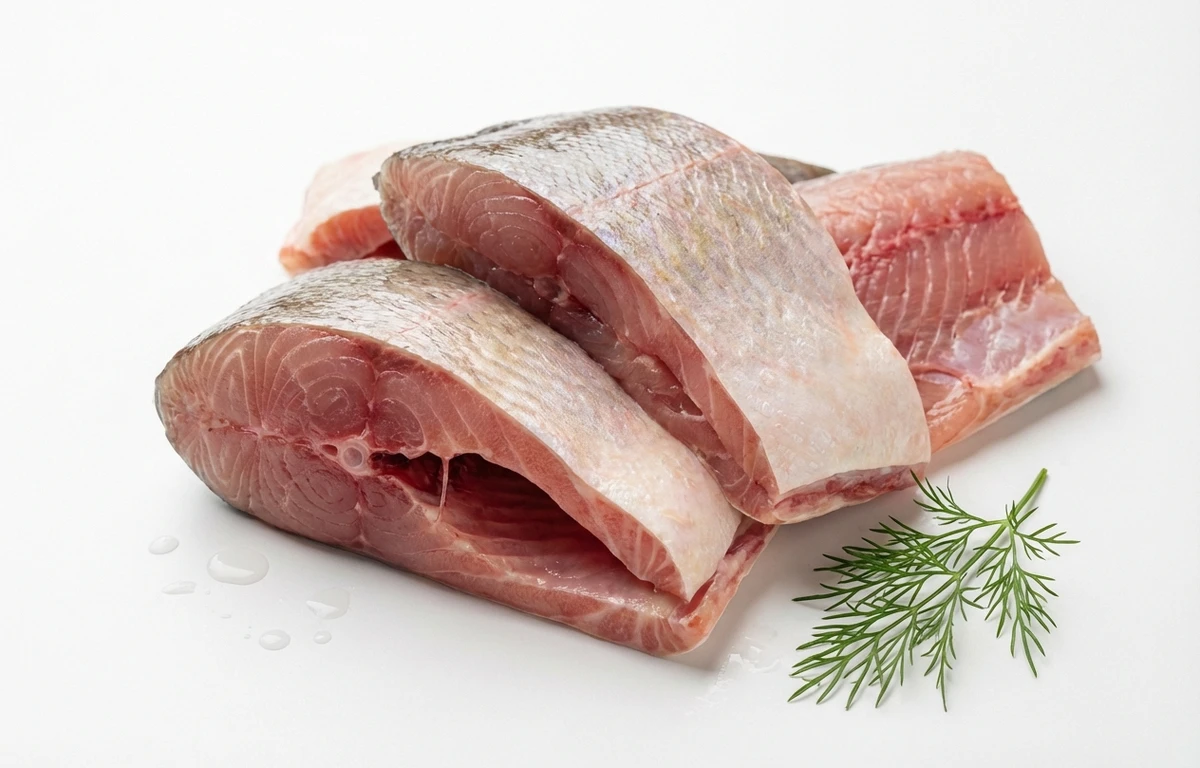
carp fillets.
VegetarianVeganGluten-freeDairy-freeNut-freePeanut-freeSoy-freeEgg-freeShellfish-freeHoney-freeAlcohol-free
ALSO KNOWN AS
raw carp filletscommon carp filletsfresh carp filletscyprinus carpio filletscarp meat
SERVING
CALORIES
127
PROTEIN
17.8g
CARBS
0g
FAT
5.6g
FIBER
0g
This ingredient is flagged as naturally gluten-free. Per 100 g, it provides 0.10 µg of vitamin K.
NUTRITION PROFILE · per 100 g
Everything in this ingredient.
MACRONUTRIENTS
Calories127kcal—
Protein17.8g36%
Carbohydrates0g0%
Fiber0g0%
Sugar0g0%
Total fat5.6g7%
Saturated fat1.1g6%
Trans fat0g—
Cholesterol66mg22%
Water76.3g—
MINERALS
Sodium49mg2%
Potassium333mg7%
Calcium41mg3%
Iron1.2mg7%
Magnesium29mg7%
Phosphorus415mg33%
Zinc1.5mg14%
Copper0.06mg7%
Manganese0.04mg2%
Selenium12.6µg23%
VITAMINS
Vitamin A15µg2%
Vitamin C1.6mg2%
Vitamin D24.7µg123%
Vitamin E0.60mg4%
Vitamin K0.10µg0%
Thiamin (B1)0.12mg10%
Riboflavin (B2)0.06mg5%
Niacin (B3)1.6mg10%
Pantothenic acid (B5)0.75mg15%
Vitamin B60.19mg11%
Folate (B9)15µg4%
Vitamin B121.5µg63%
%DV based on a 2,000 cal diet. Source: USDA FoodData Central. A dash in the %DV column means there’s no established Daily Value for that nutrient.
MEASUREMENT CONVERSIONS
How much is what.
1 cup236.6g
1 tablespoon14.8g
1 teaspoon4.9g
1 oz28.4g
1 lb453.6g
1 ml1g
1 liter1000g
1 piece150g
HEALTH BENEFITS
Why eat it.
- ✓Excellent source of high-quality lean protein
- ✓Rich in Omega-3 fatty acids for heart health
- ✓High Vitamin B12 content for nerve function
- ✓Contains Phosphorus and Calcium for bone strength
COOKING TIPS
In the kitchen.
- 1Score the skin before pan-searing to prevent the fillet from curling
- 2Carp has a mild flavor that pairs well with acidic marinades like lemon or vinegar
- 3Ensure internal temperature reaches 145°F (63°C) for safety
STORAGE
Keep it fresh.
- Store in the coldest part of the refrigerator for 1-2 days maximum
- Freeze in airtight vacuum-sealed bags for up to 6 months
- Keep raw fillets separate from cooked foods to prevent cross-contamination
FAQ
Frequently asked questions.
How long do carp fillets stay fresh in the fridge?
Raw carp fillets should be consumed within 1 to 2 days of purchase if kept refrigerated at 40°F (4°C) or below.
Can I freeze carp fillets?
Yes, carp fillets freeze well. Wrap them tightly in plastic wrap and then place in a freezer bag; they will maintain quality for about 6 months.
What is the best way to pick high-quality carp fillets?
Look for firm, moist flesh that springs back when pressed. The meat should have a clean, mild scent and no 'fishy' or ammonia-like odor.
What can I use as a substitute for carp fillets?
Tilapia, catfish, or cod are excellent substitutes as they have similar textures and mild flavor profiles.
Does carp have a lot of bones?
Carp are known for having small 'Y-bones'. When buying fillets, ensure they are properly deboned or be prepared to remove small bones during prep.
Is carp a fatty or lean fish?
Carp is considered a moderately fatty fish, containing more Omega-3s than very lean white fish like cod, but less than salmon.
How should I prepare carp to remove the 'muddy' taste?
Soaking fillets in milk or a light brine for 30 minutes before cooking can help neutralize any earthy or muddy flavors.
What are common dishes made with carp?
Common preparations include Gefilte fish, deep-fried carp, pan-seared fillets with lemon-butter, and traditional European Christmas carp.
Is carp high in mercury?
Carp generally has low to moderate mercury levels, making it safe for most adults when consumed in moderation (2-3 times per week).



















