
Vegetable10 recipes
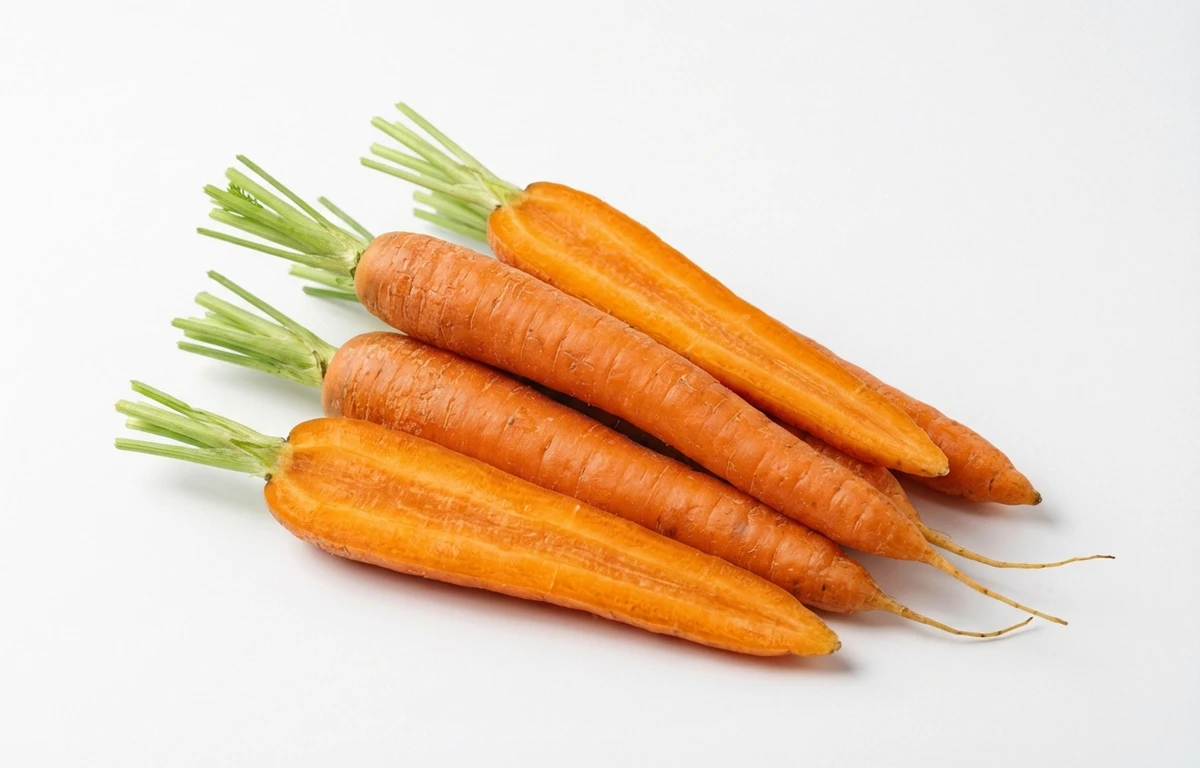
carrot.
VegetarianVeganGluten-freeDairy-freeNut-freePeanut-freeSoy-freeEgg-freeShellfish-freeHoney-freeAlcohol-freeHalalKosher
ALSO KNOWN AS
diced carrotscarrotsfrozen diced carrotsmedium carrotssmall carrotsmini carrotsगाजरbaby carrotsraw carrotfresh carrotmature carrotraw mature carrotbaby carrotraw baby carrotgajarzanahoriacarottekarotteorange carrot
SERVING
CALORIES
41
PROTEIN
0.93g
CARBS
9.6g
FAT
0.24g
FIBER
2.8g
This ingredient is flagged as naturally gluten-free. Per 100 g, it provides 13.2 µg of vitamin K.
NUTRITION PROFILE · per 100 g
Everything in this ingredient.
MACRONUTRIENTS
Calories41kcal—
Protein0.93g2%
Carbohydrates9.6g3%
Fiber2.8g10%
Sugar4.7g9%
Total fat0.24g0%
Saturated fat0.04g0%
Trans fat0g—
Cholesterol0mg0%
Water88.3g—
MINERALS
Sodium69mg3%
Potassium320mg7%
Calcium33mg3%
Iron0.30mg2%
Magnesium12mg3%
Phosphorus35mg3%
Zinc0.24mg2%
Copper0.05mg6%
Manganese0.14mg6%
Selenium0.10µg0%
VITAMINS
Vitamin A835µg93%
Vitamin C5.9mg7%
Vitamin D0µg0%
Vitamin E0.66mg4%
Vitamin K13.2µg11%
Thiamin (B1)0.07mg6%
Riboflavin (B2)0.06mg5%
Niacin (B3)0.98mg6%
Pantothenic acid (B5)0.27mg5%
Vitamin B60.14mg8%
Folate (B9)19µg5%
Vitamin B120µg0%
%DV based on a 2,000 cal diet. Source: USDA FoodData Central. A dash in the %DV column means there’s no established Daily Value for that nutrient.
MEASUREMENT CONVERSIONS
How much is what.
1 cup128g
1 oz28.4g
1 lb453.6g
1 piece61g
HEALTH BENEFITS
Why eat it.
- ✓High fiber content supports digestive regularity
- ✓Promotes healthy skin and wound healing
COOKING TIPS
In the kitchen.
- 1Cooking carrots helps break down cell walls, making beta-carotene easier for the body to absorb
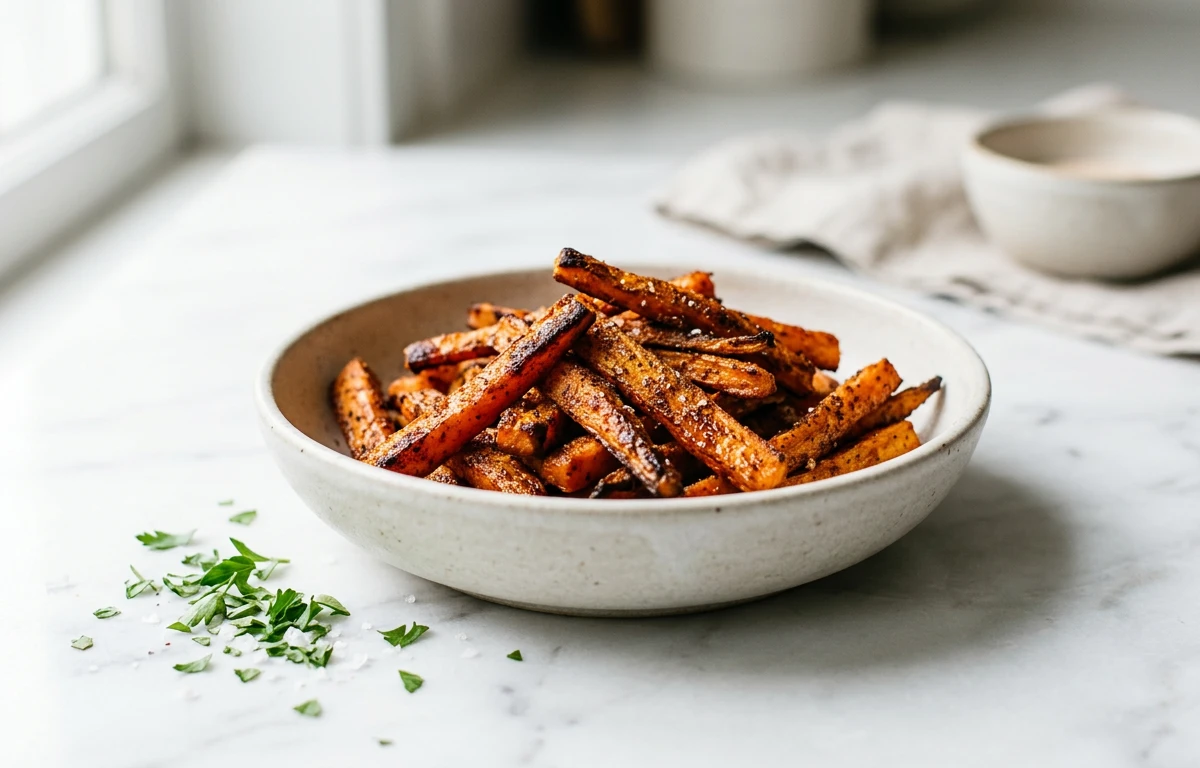
- 2Roasting at high heat caramelizes the natural sugars, enhancing their sweetness
- 3Steam rather than boil to preserve water-soluble vitamins and maintain a firm texture
STORAGE
Keep it fresh.
- Store in the crisper drawer of the refrigerator in a sealed plastic bag to maintain moisture
- Remove green tops before storing to prevent them from drawing moisture out of the root
- Keep away from ethylene-producing fruits like apples to prevent the carrots from turning bitter
FAQ
Frequently asked questions.
How long do carrots last in the fridge?
When stored properly in a plastic bag in the crisper drawer, carrots can last 3 to 4 weeks.
Can you freeze raw carrots?
Yes, but it is best to blanch them in boiling water for 2-3 minutes first to preserve color and texture before freezing.
How do I pick the best carrots?
Look for carrots that are firm, smooth, and bright orange. Avoid those that are limp, rubbery, or have deep cracks.
What is a good substitute for carrots in recipes?
Parsnips, sweet potatoes, or butternut squash are excellent substitutes depending on the dish.
Do I need to peel carrots before eating?
Peeling is not necessary if you scrub them well, but peeling can remove the slightly bitter outer skin.
Are carrot greens edible?
Yes, carrot tops are edible and can be used in pesto, salads, or as a garnish, though they have a slightly bitter, earthy taste.
Why do carrots sometimes taste bitter?
Bitterness is often caused by exposure to ethylene gas from other fruits or if the carrot is very old.
Are carrots high in sugar?
Carrots contain natural sugars but have a low glycemic index because their fiber content slows down sugar absorption.
What is the best way to prep carrots for a salad?
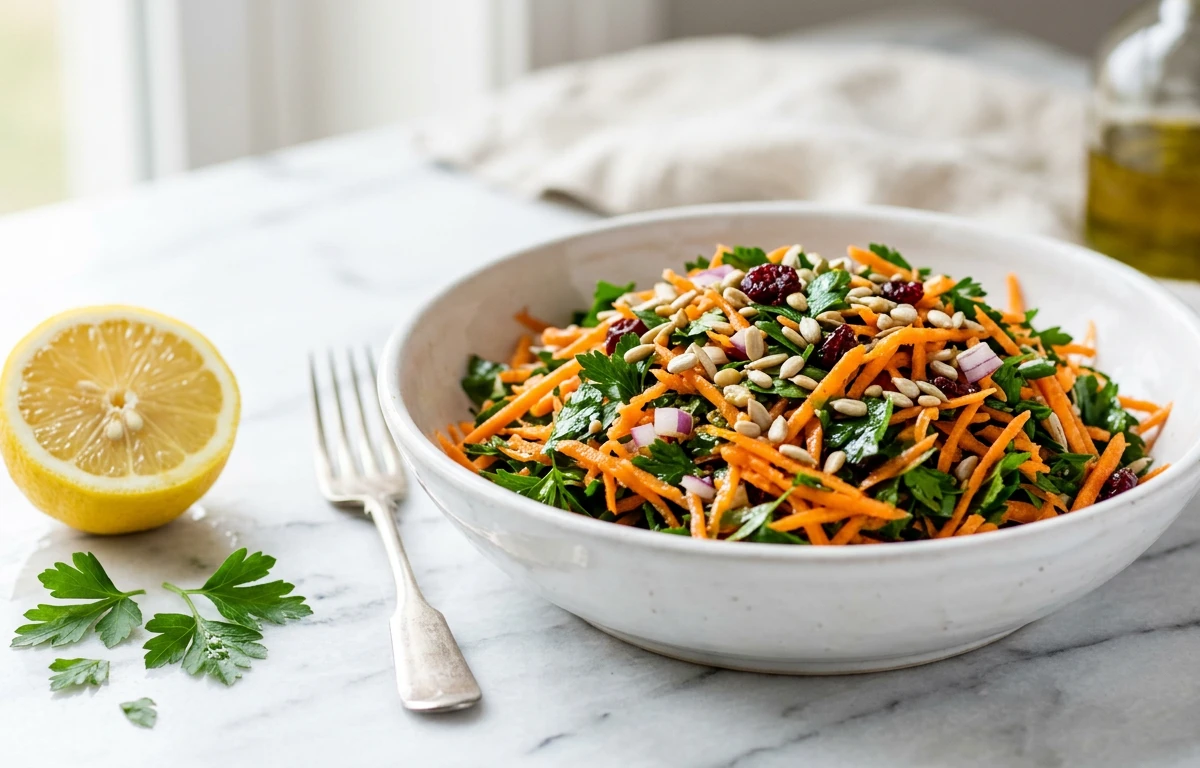
Grating or using a peeler to make long ribbons provides the best texture for raw salads.
RELATED GUIDES



















