
Other
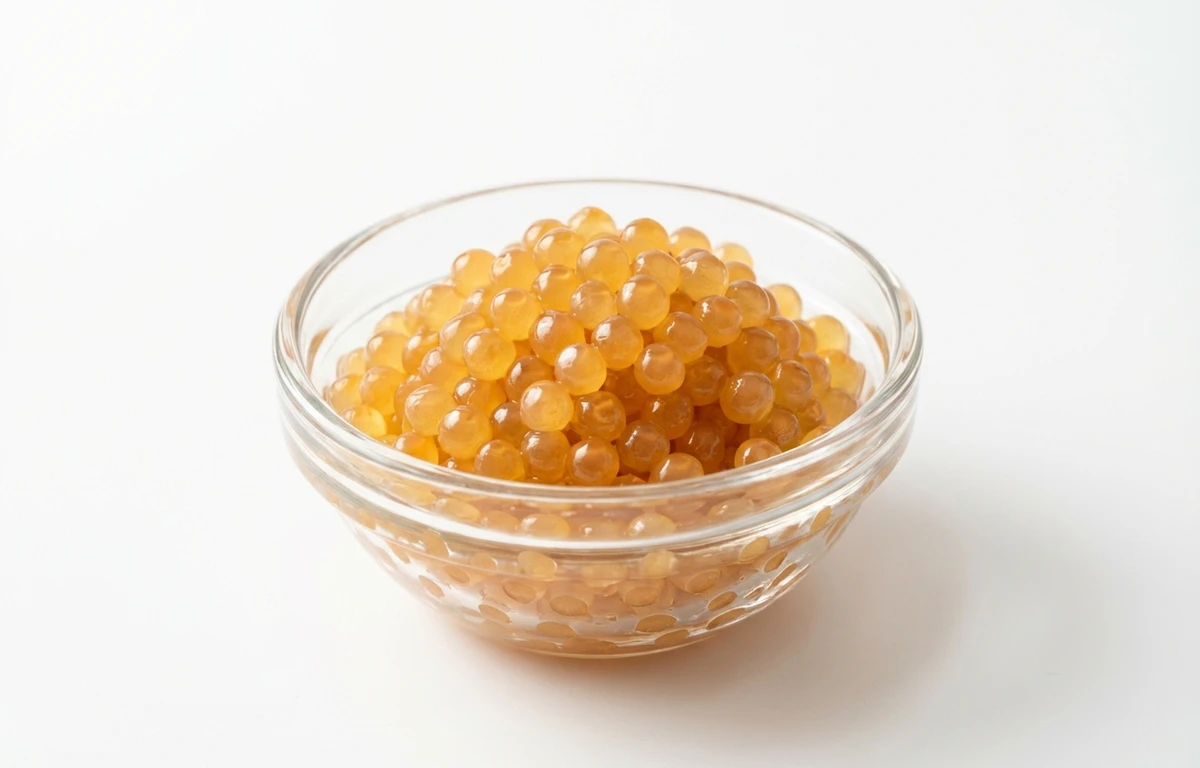
cat fish eggs.
VegetarianVeganGluten-freeDairy-freeNut-freePeanut-freeSoy-freeEgg-freeShellfish-freeHoney-freeAlcohol-freeKosher
SERVING
CALORIES
143
PROTEIN
24.7g
CARBS
0g
FAT
5.3g
FIBER
0g
NUTRITION PROFILE · per 100 g
Everything in this ingredient.
MACRONUTRIENTS
Calories143kcal—
Protein24.7g49%
Carbohydrates0g0%
Fiber0g0%
Sugar0g0%
Total fat5.3g7%
Saturated fat1.8g9%
Trans fat0g—
Cholesterol269mg90%
Water69.3g—
MINERALS
Sodium54.8mg2%
Potassium252mg5%
Calcium61.7mg5%
Iron6.7mg37%
Magnesium59.9mg14%
Phosphorus445mg36%
Zinc3.1mg28%
Copper0.08mg9%
Manganese0.50mg22%
Selenium43.6µg79%
VITAMINS
Vitamin A2.5µg0%
Vitamin C0mg0%
Vitamin D3.3µg16%
Vitamin E0.28mg2%
Vitamin K0.53µg0%
Thiamin (B1)0mg0%
Riboflavin (B2)0.19mg15%
Niacin (B3)1.1mg7%
Pantothenic acid (B5)0.83mg17%
Vitamin B6148mg8706%
Biotin (B7)2059µg6863%
Folate (B9)0µg0%
%DV based on a 2,000 cal diet. Source: USDA FoodData Central. A dash in the %DV column means there’s no established Daily Value for that nutrient.
MEASUREMENT CONVERSIONS
How much is what.
1 cup240g
1 tablespoon15g
1 teaspoon5g
1 oz28.4g
1 lb453.6g
1 ml1g
1 liter1000g
HEALTH BENEFITS
Why eat it.
- ✓Rich source of omega-3 fatty acids (EPA and DHA), which support brain health and reduce inflammation.
- ✓Excellent source of Vitamin B12, essential for nerve function and the formation of red blood cells.
- ✓Provides high-quality complete protein, necessary for muscle building and tissue repair.
- ✓Contains a significant amount of Vitamin D, which is crucial for bone health and immune system regulation.
COOKING TIPS
In the kitchen.
- 1A common preparation is to gently pan-fry the roe sacs in butter or bacon grease until they are firm and golden brown. Season with salt, pepper, and a squeeze of lemon.
- 2The roe can be scrambled with eggs for a rich, high-protein breakfast.
- 3In Southern US cuisine, catfish roe is sometimes battered in cornmeal and deep-fried.
- 4Ensure not to overcook, as the roe can become tough and rubbery. Cook just until the eggs turn opaque and firm.
STORAGE
Keep it fresh.
- Store fresh catfish roe in the coldest part of the refrigerator (at or below 38°F / 3°C) and consume within 1-2 days due to its high perishability.
- For longer-term storage, freeze the roe in an airtight, moisture-proof container or vacuum-sealed bag for up to 3 months. Thaw overnight in the refrigerator before use.
FAQ
Frequently asked questions.
Are catfish eggs healthy?
Yes, catfish eggs are highly nutritious. They are an excellent source of high-quality protein, Vitamin B12 for nerve function, and Vitamin D for bone health. Additionally, they provide essential omega-3 fatty acids (EPA and DHA) which help reduce inflammation and support brain health.
How much protein is in catfish eggs?
Catfish eggs are a protein-dense food, containing approximately 24.68g of protein per 100g serving. This makes them an excellent option for muscle building and tissue repair, providing more protein than many standard fish fillets.
Are catfish eggs keto-friendly?
Yes, catfish eggs are very keto-friendly as they contain 0g of carbohydrates. Their combination of high protein and moderate healthy fats makes them an ideal ingredient for those following a ketogenic or low-carb diet.
How do you cook catfish eggs?
The most common way to prepare catfish eggs is to season them and pan-fry or deep-fry them until they are firm and golden. They can also be poached, added to seafood stews, or mixed with binders like cornmeal to make traditional roe cakes.
What do catfish eggs taste like?
Catfish eggs have a mild, savory, and slightly nutty flavor. They are generally less 'fishy' than other types of roe and have a rich, creamy texture once cooked, easily absorbing the flavors of the spices used during preparation.
Are catfish eggs gluten-free?
In their natural state, catfish eggs are 100% gluten-free. However, because they are frequently breaded or fried in batter, you must ensure that any flour or coatings used in the cooking process are certified gluten-free.
Can I eat catfish eggs for weight loss?
Yes, catfish eggs can be a great addition to a weight loss diet. With 143.4 calories per 100g and a high protein content, they help promote a feeling of fullness and satiety, which can reduce overall calorie intake throughout the day.
How do you store catfish eggs and how long do they last?
Fresh catfish eggs should be kept in an airtight container in the coldest part of the refrigerator and used within 1 to 2 days. For longer storage, they can be frozen for up to 3 months, though the texture may change slightly upon thawing.
How can I tell if catfish eggs have gone bad?
Fresh catfish eggs should have a mild, clean scent. If they develop a strong, sour, or ammonia-like odor, or if they become excessively slimy or discolored, they have likely spoiled and should be discarded immediately.
Can you eat catfish eggs raw?
While some types of fish roe are consumed raw, it is generally recommended to cook catfish eggs thoroughly. Cooking ensures the destruction of any potential bacteria or parasites that may be present in freshwater fish products.



















