
Vegetable
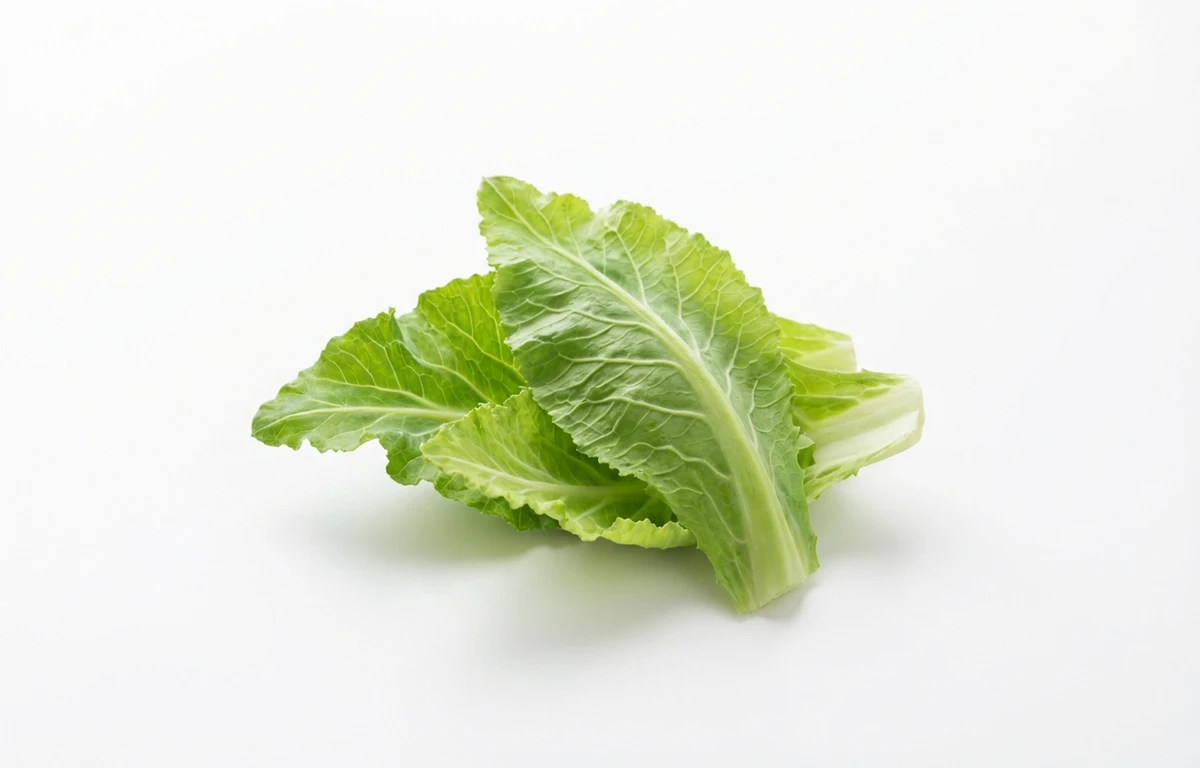
cauliflower leaves.
VegetarianVeganGluten-freeDairy-freeNut-freePeanut-freeSoy-freeEgg-freeShellfish-freeHoney-freeAlcohol-freeHalalKosher
SERVING
CALORIES
35
PROTEIN
3.9g
CARBS
3.4g
FAT
0.42g
FIBER
3.4g
NUTRITION PROFILE · per 100 g
Everything in this ingredient.
MACRONUTRIENTS
Calories35.4kcal—
Protein3.9g8%
Carbohydrates3.4g1%
Fiber3.4g12%
Sugar0.61g1%
Total fat0.42g1%
Saturated fat0.12g1%
Trans fat0g—
Cholesterol0mg0%
Water87.6g—
MINERALS
Sodium24.3mg1%
Potassium374mg8%
Calcium96.7mg7%
Iron2.4mg13%
Magnesium41.5mg10%
Phosphorus62.8mg5%
Zinc0.31mg3%
Copper0.14mg16%
Manganese0.50mg22%
Selenium1.1µg2%
VITAMINS
Vitamin A146µg16%
Vitamin C52.8mg59%
Vitamin D4.2µg21%
Vitamin E0.08mg1%
Vitamin K144µg120%
Thiamin (B1)0.05mg4%
Riboflavin (B2)0.05mg4%
Niacin (B3)0.21mg1%
Pantothenic acid (B5)0.34mg7%
Vitamin B60.23mg14%
Biotin (B7)1.4µg5%
Folate (B9)43µg11%
%DV based on a 2,000 cal diet. Source: USDA FoodData Central. A dash in the %DV column means there’s no established Daily Value for that nutrient.
MEASUREMENT CONVERSIONS
How much is what.
1 cup28g
1 tablespoon1.8g
1 teaspoon0.6g
1 oz28.4g
1 lb453.6g
1 ml0.1g
1 liter118.3g
HEALTH BENEFITS
Why eat it.
- ✓Rich in nutrients, particularly Vitamin K for bone health and Vitamin C for immune support.
- ✓High in dietary fiber, which aids digestion and promotes gut health.
- ✓Contains antioxidants like beta-carotene and other carotenoids that help protect cells from damage.
- ✓Low in calories and carbohydrates, making them a suitable addition to weight management diets.
COOKING TIPS
In the kitchen.
- 1Roast the leaves tossed in olive oil and salt at 400°F (200°C) until crispy, like kale chips.
- 2Sauté chopped leaves and tender stems with garlic and chili flakes for a quick, flavorful side dish.
- 3Add chopped leaves to soups, stews, or curries during the last 10-15 minutes of cooking to add nutrients and texture.
- 4Use the tender inner leaves raw in salads or slaws for a peppery crunch.
STORAGE
Keep it fresh.
- Separate leaves from the cauliflower head and store them in a perforated plastic bag in the refrigerator's crisper drawer for up to one week.
- For longer storage, blanch the leaves for 2-3 minutes, shock them in an ice bath, pat dry, and freeze in an airtight container for up to 3 months.
FAQ
Frequently asked questions.
Are cauliflower leaves edible and healthy?
Yes, cauliflower leaves are completely edible and highly nutritious. They are rich in Vitamin K for bone health, Vitamin C for immune support, and contain significant amounts of dietary fiber and antioxidants like beta-carotene.
What is the nutritional profile of cauliflower leaves?
Per 100g, cauliflower leaves contain approximately 35.37 calories, 3.9g of protein, 3.39g of carbohydrates, and 0.42g of fat. They are a surprisingly good source of plant-based protein compared to many other leafy greens.
Are cauliflower leaves good for weight loss?
Yes, they are excellent for weight management because they are very low in calories and high in fiber. The fiber content aids digestion and helps you feel full longer, which can prevent overeating.
Are cauliflower leaves keto-friendly?
Yes, cauliflower leaves are very keto-friendly. With only about 3.39g of carbohydrates per 100g, they fit easily into a low-carb or ketogenic diet while providing essential micronutrients.
Are cauliflower leaves vegan and gluten-free?
Yes, cauliflower leaves are a natural plant product, making them 100% vegan and naturally gluten-free. They are a great addition to plant-based diets for extra protein and minerals.
What do cauliflower leaves taste like?
They have a flavor profile similar to a cross between cauliflower florets and kale or collard greens. When cooked, they become tender and develop a mild, slightly nutty, and earthy sweetness.
How do you cook cauliflower leaves?
You can roast them with olive oil until crispy like kale chips, sauté them with garlic, or chop them into stir-fries and soups. The thicker ribs may take slightly longer to cook than the leafy parts, so it is often best to slice them thinly.
Can you eat cauliflower leaves raw?
While you can eat the younger, tender leaves raw in salads, the larger outer leaves can be quite tough and fibrous. Most people prefer them cooked, which softens the texture and improves digestibility.
How do you store cauliflower leaves?
Store them in a breathable bag or wrapped in a damp paper towel in the refrigerator's crisper drawer. They typically stay fresh for 3 to 5 days; it is best to keep them attached to the cauliflower stem until you are ready to use them.
How can you tell if cauliflower leaves have gone bad?
Fresh leaves should be vibrant green and crisp. If they become yellow, slimy, excessively wilted, or develop a pungent, sulfur-like odor, they have likely spoiled and should be discarded.



















