
Loading...
Per 100g
Nutrition data source: USDA FoodData Central
Common measurement equivalents in grams
While it can last up to 2 years in the pantry due to high vinegar and salt content, it is best used within 6-12 months for optimal flavor and heat.
It is shelf-stable due to its acidity, but refrigeration prevents the sauce from browning over time and keeps the flavor fresh.
Sriracha, Tabasco, or a mixture of cayenne powder and white vinegar can work as alternatives.
Most standard brands are gluten-free as they consist of peppers, vinegar, and salt, but always check labels for added thickeners.
Look for sauces where aged cayenne peppers are the first ingredient and avoid those with excessive artificial colors or gums.
Cayenne sauce is generally considered medium heat, typically ranging from 2,500 to 5,000 Scoville Heat Units.
It is not recommended as freezing can change the consistency and cause the ingredients to separate upon thawing.
Salt is used both as a preservative and to enhance the fermentation process of the peppers.
Most commercial cayenne sauces contain garlic powder, making them unsuitable for a strict Jain diet.
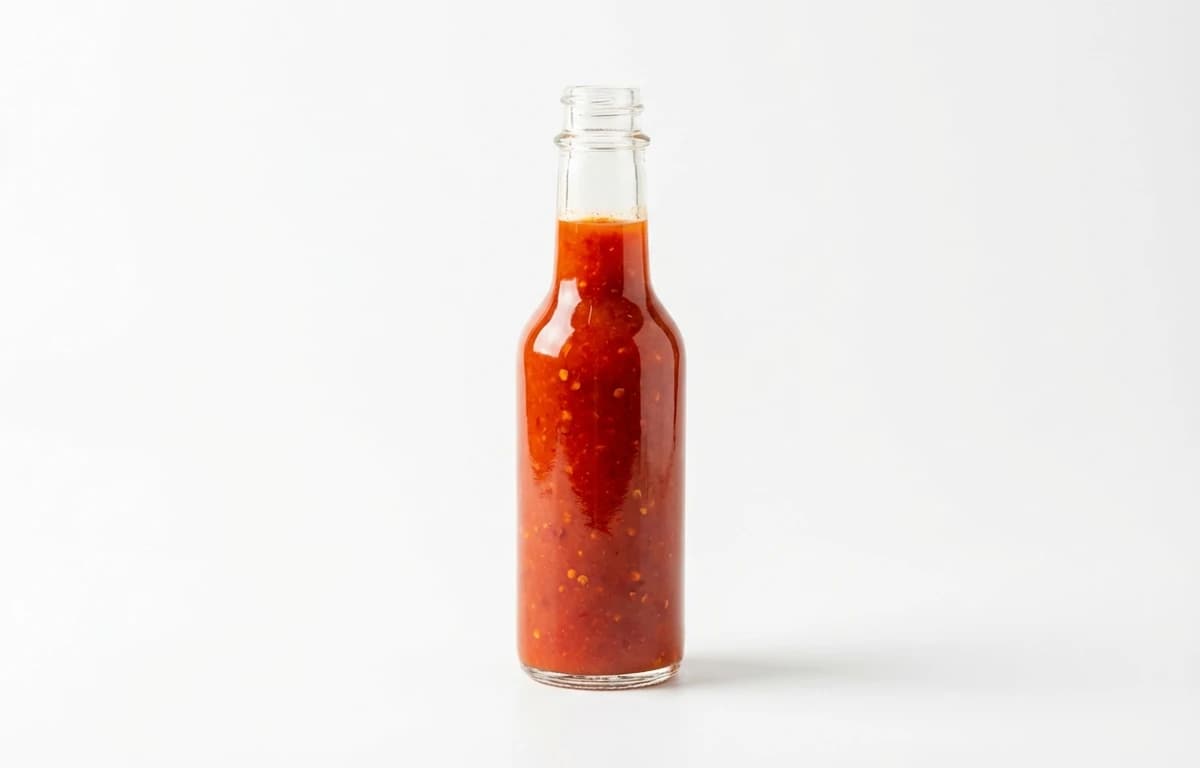
Cayenne Pepper Sauce is a versatile ingredient found in cuisines around the world. With 15 calories per 100g and 0.6 grams of protein, it's a nutritious addition to many dishes.
Explore more ingredients in the condiment category with complete nutrition information.
View all condiment →Discover 1 recipes featuring cayenne pepper sauce with step-by-step instructions.
Browse recipes →It is the primary ingredient in Buffalo wings, and commonly used in Cajun and Creole cooking, as well as a tabletop condiment for eggs and pizza.