Vegetable4 recipes
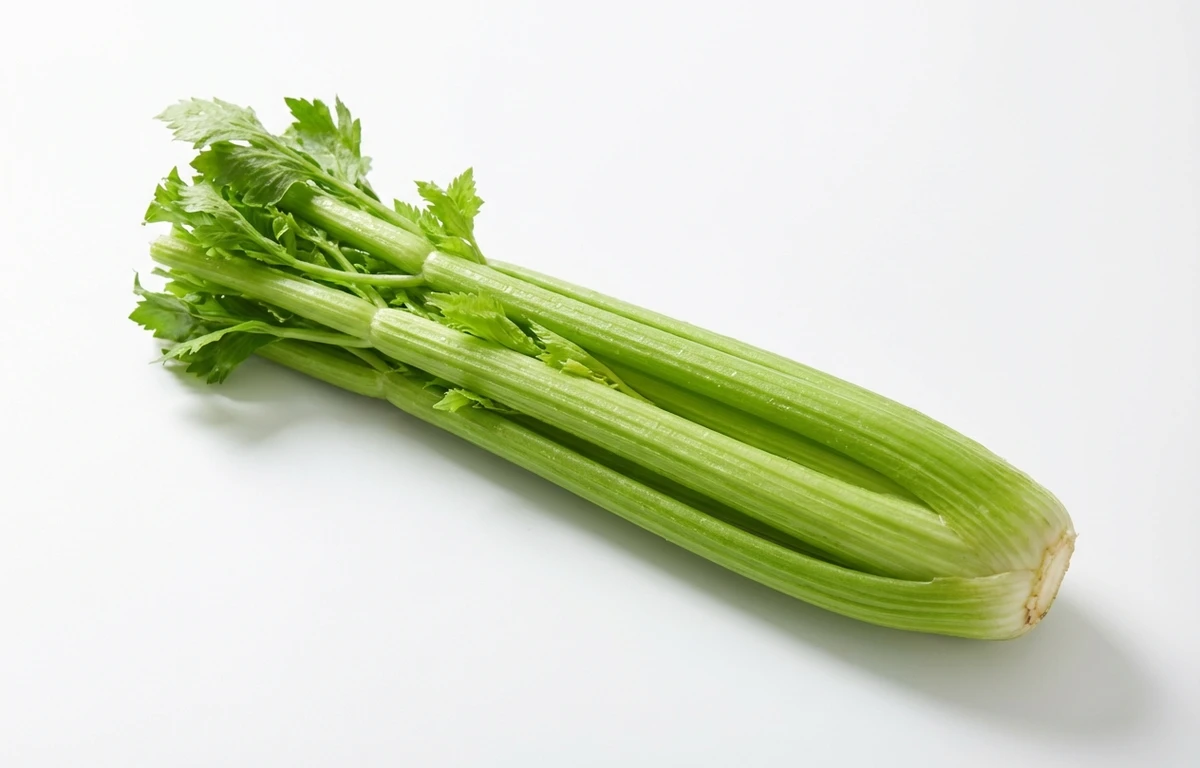
celery stalk.
VegetarianVeganGluten-freeDairy-freeNut-freePeanut-freeSoy-freeEgg-freeShellfish-freeHoney-freeAlcohol-free
SERVING
CALORIES
16
PROTEIN
0.98g
CARBS
2.3g
FAT
0.24g
FIBER
2.1g
This ingredient is flagged as naturally gluten-free. Per 100 g, it provides 25.9 µg of vitamin K.
NUTRITION PROFILE · per 100 g
Everything in this ingredient.
MACRONUTRIENTS
Calories16.5kcal—
Protein0.98g2%
Carbohydrates2.3g1%
Fiber2.1g7%
Sugar0.75g2%
Total fat0.24g0%
Saturated fat0.06g0%
Trans fat0g—
Cholesterol0mg0%
Water92.9g—
MINERALS
Sodium10.7mg0%
Potassium298mg6%
Calcium38.7mg3%
Iron1.4mg8%
Magnesium17.1mg4%
Phosphorus44.8mg4%
Zinc0.18mg2%
Copper0.12mg13%
Manganese0.24mg10%
Selenium3.6µg7%
VITAMINS
Vitamin A465µg52%
Vitamin C12.3mg14%
Vitamin D1.4µg7%
Vitamin E0.03mg0%
Vitamin K25.9µg22%
Thiamin (B1)0.03mg3%
Riboflavin (B2)0.04mg3%
Niacin (B3)0.48mg3%
Pantothenic acid (B5)0.42mg8%
Vitamin B60.06mg4%
Biotin (B7)2.1µg7%
Folate (B9)22.5µg6%
%DV based on a 2,000 cal diet. Source: USDA FoodData Central. A dash in the %DV column means there’s no established Daily Value for that nutrient.
MEASUREMENT CONVERSIONS
How much is what.
1 cup118.3g
1 tablespoon7.4g
1 teaspoon2.5g
1 oz28.4g
1 lb453.6g
1 ml0.5g
1 liter500g
1 piece35g
HEALTH BENEFITS
Why eat it.
- ✓High water content (about 95%) and electrolytes make it excellent for hydration.
- ✓Good source of dietary fiber, which supports digestive health and promotes a feeling of fullness.
COOKING TIPS
In the kitchen.
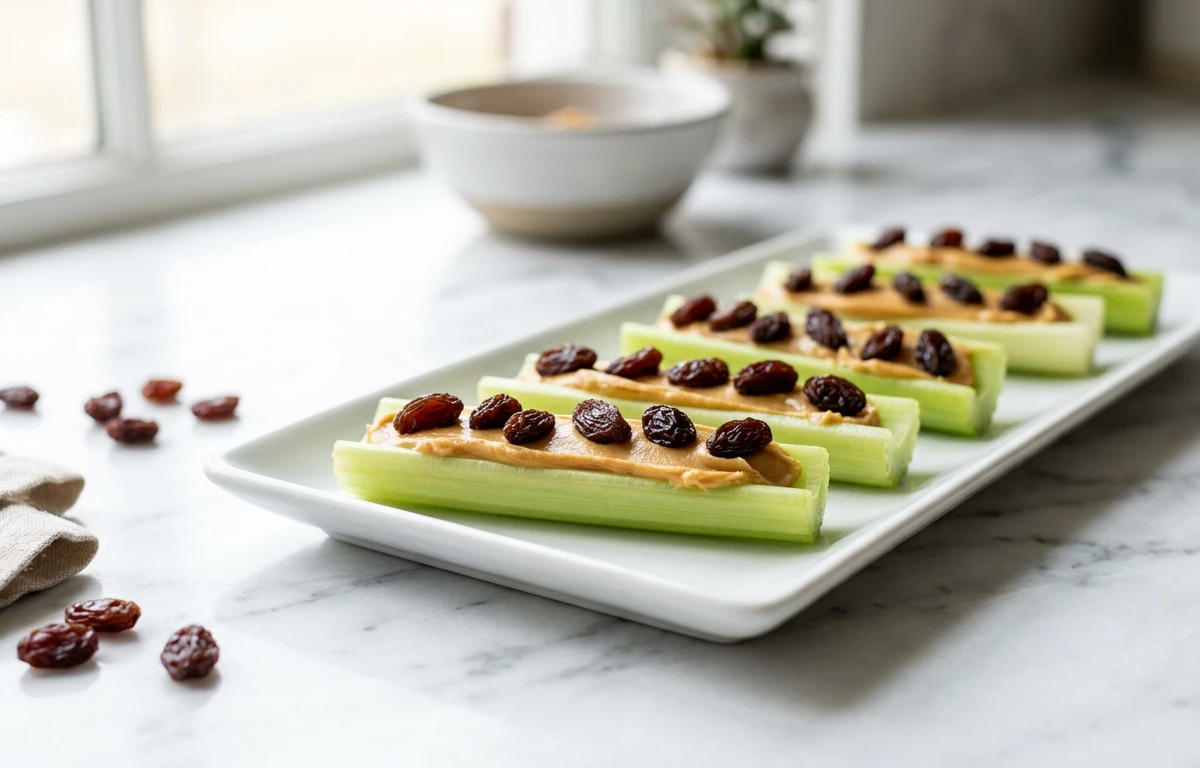
- 1Use raw celery for a crunchy texture in salads, slaws, or as a classic vehicle for dips like hummus, cream cheese, or peanut butter.
- 2Celery is a key component of a 'mirepoix' (diced with onions and carrots), which forms the aromatic flavor base for countless soups, stews, and sauces.
- 3Don't discard the leaves; they are packed with flavor and can be used as an herb, chopped into salads, or added to stocks for extra depth.
- 4Braising or roasting celery softens its texture and brings out a milder, sweeter flavor, making it a delicious side dish.
STORAGE
Keep it fresh.
- For maximum crispness, wrap the entire bunch tightly in aluminum foil and store in the refrigerator's crisper drawer. It can last for several weeks.
- Alternatively, trim the ends and stand the stalks upright in a container with about an inch of water at the bottom, then store in the fridge.
FAQ
Frequently asked questions.
Is celery keto-friendly?
Yes, celery is very keto-friendly because it is very low in carbohydrates, with only about 2.33g of carbs per 100g. It is a popular snack for those on low-carb diets when paired with high-fat dips like almond butter or cream cheese.
Can you eat celery leaves?
Absolutely. Celery leaves are edible and packed with flavor, often tasting like a more intense version of the stalk. They can be used as a fresh herb in salads, blended into pestos, or added to soups and stocks for extra aroma.
How do you keep celery crisp for longer?
To maintain crispness, wrap the whole celery head tightly in aluminum foil and store it in the refrigerator; this allows the ripening gas to escape while keeping moisture in. Alternatively, you can store cut stalks submerged in a container of water in the fridge, changing the water every few days.
Do you need to peel celery stalks?
Peeling is not necessary, but some people prefer to use a vegetable peeler to remove the tough, fibrous 'strings' on the outer side of the stalk. This is particularly common when serving celery raw to create a smoother, more tender texture.
Is celery high in sodium?
While celery contains more natural sodium than many other vegetables (about 80mg per 100g), it is still considered a low-sodium food. This natural saltiness can actually help you use less table salt when seasoning soups and stews.
How can you tell if celery has gone bad?
Fresh celery should be bright green, firm, and snap easily when bent. If the stalks feel limp, rubbery, or slimy, or if the center of the bunch has turned brown or gray, the celery is no longer fresh and should be discarded.
Can celery be frozen for later use?
Yes, celery can be frozen, though it will lose its crisp texture and become soft once thawed. It is best to blanch the celery for three minutes before freezing and use the thawed stalks exclusively for cooked dishes like soups, stews, or sauces.
RECIPES
Cook with celery stalk.
4 recipes · sorted by what’s quick