vegetable1 recipes
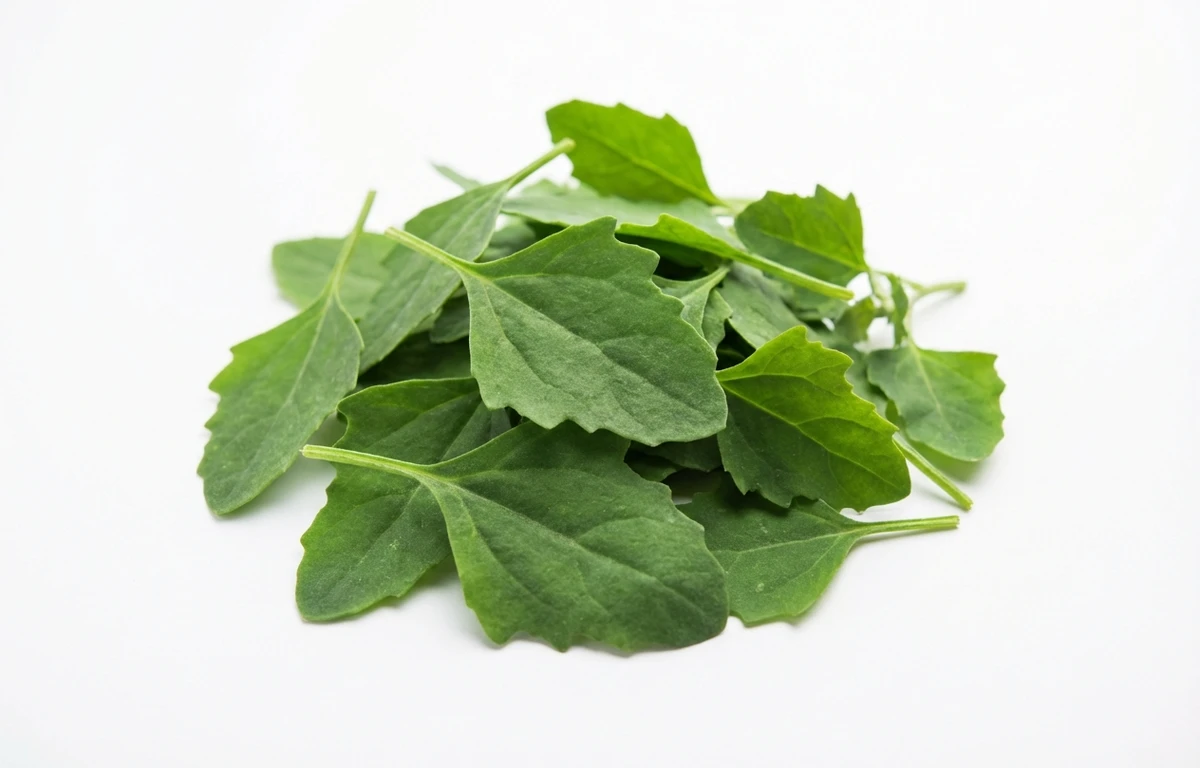
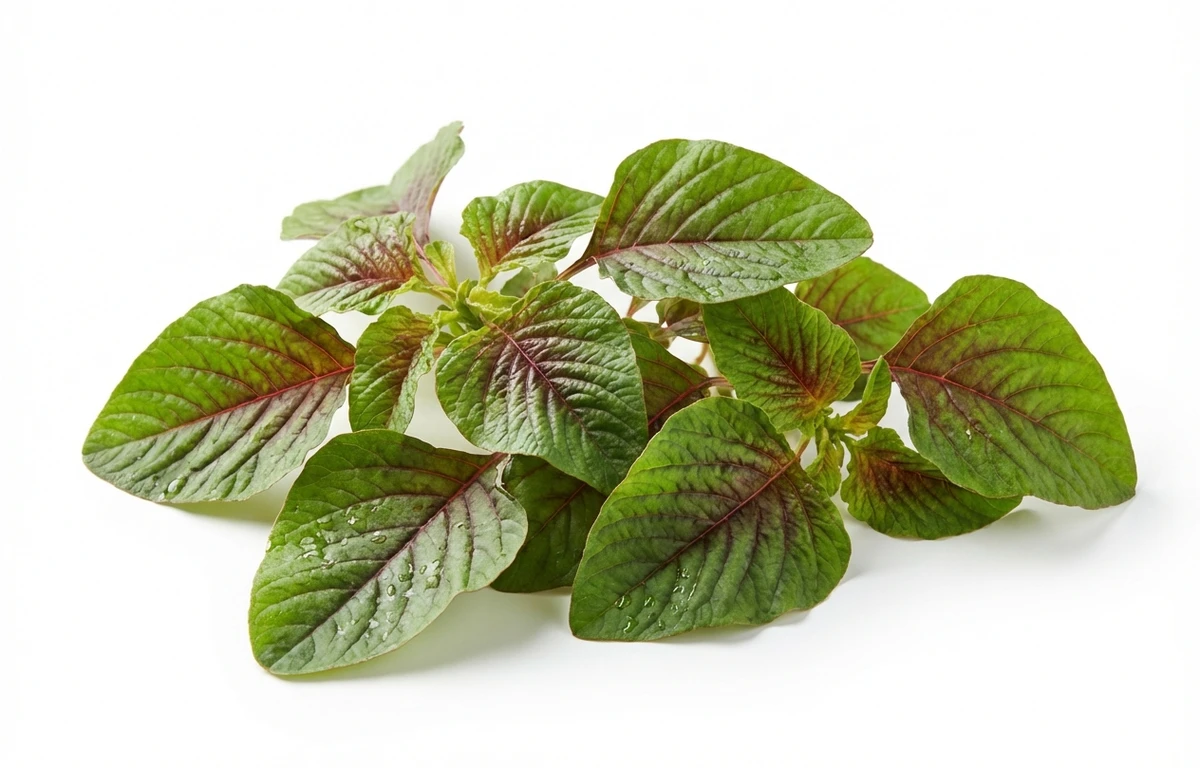
Chawli Leaves.
VegetarianVeganGluten-freeDairy-freeNut-freePeanut-freeSoy-freeEgg-freeShellfish-freeHoney-freeAlcohol-free
SERVING
CALORIES
23
PROTEIN
2.5g
CARBS
4.0g
FAT
0.30g
FIBER
2.0g
NUTRITION PROFILE · per 100 g
Everything in this ingredient.
MACRONUTRIENTS
Calories23kcal—
Protein2.5g5%
Carbohydrates4.0g1%
Fiber2.0g7%
Sugar0.50g1%
Total fat0.30g0%
Saturated fat0.05g0%
Water90g—
MINERALS
Sodium20mg1%
Potassium350mg7%
Calcium250mg19%
Iron2.5mg14%
Magnesium60mg14%
Phosphorus50mg4%
Zinc0.50mg5%
Copper0.15mg17%
Manganese0.80mg35%
Selenium0.50µg1%
VITAMINS
Vitamin A180µg20%
Vitamin C35mg39%
Vitamin E1.5mg10%
Vitamin K150µg125%
Thiamin (B1)0.08mg7%
Riboflavin (B2)0.15mg12%
Niacin (B3)0.60mg4%
Pantothenic acid (B5)0.10mg2%
Vitamin B60.10mg6%
Folate (B9)90µg23%
%DV based on a 2,000 cal diet. Source: USDA FoodData Central. A dash in the %DV column means there’s no established Daily Value for that nutrient.
MEASUREMENT CONVERSIONS
How much is what.
1 cup40g
1 oz3.5g
1 lb0.2g
HEALTH BENEFITS
Why eat it.
- ✓Rich in iron, aiding in red blood cell formation and preventing anemia.
- ✓High in Vitamin A, beneficial for vision and immune function.
- ✓Good source of Vitamin C, supporting immunity and skin health.
- ✓Contains dietary fiber, promoting digestive health.
- ✓Provides calcium, important for strong bones and teeth.
COOKING TIPS
In the kitchen.
- 1Chawli leaves can be sautéed with garlic and spices for a simple side dish.
- 2Add to dals, curries, or stir-fries for added nutrition and flavor.
- 3Blanch and purée to incorporate into soups or smoothies.
STORAGE
Keep it fresh.
- Store fresh leaves in a perforated plastic bag in the refrigerator's crisper drawer for up to 3-5 days.
- Wash leaves thoroughly just before use to maintain freshness.
- Avoid storing near fruits that emit ethylene gas, as this can cause premature spoilage.
FAQ
Frequently asked questions.
Are Chawli leaves healthy?
Yes, Chawli leaves are highly nutritious and low in calories, providing only 23 calories per 100g. They are excellent sources of iron, Vitamin A, and Vitamin C, which support blood health, vision, and the immune system.
Are Chawli leaves good for weight loss?
Absolutely. With a low calorie count and high dietary fiber content, Chawli leaves help you feel full for longer periods. This makes them an ideal ingredient for those looking to manage their weight while maintaining high nutrient intake.
Do Chawli leaves help with anemia?
Yes, they are particularly rich in iron, which is essential for the formation of red blood cells. Regular consumption can help prevent iron-deficiency anemia and improve overall energy levels.
Are Chawli leaves keto-friendly?
Yes, Chawli leaves are very low in carbohydrates, containing only 4g per 100g. Their high fiber content and low net carb count make them an excellent choice for ketogenic and low-carb diets.
Are Chawli leaves vegan and gluten-free?
Yes, Chawli leaves are a natural plant-based vegetable. They are 100% vegan and naturally gluten-free, making them safe for individuals with celiac disease or gluten sensitivities.
How do you cook Chawli leaves?
Chawli leaves are most commonly sautéed with garlic, onions, and spices, or added to lentil stews (dal). Like spinach, they wilt quickly, so they only require a few minutes of cooking to become tender.
What do Chawli leaves taste like?
Chawli leaves have a mild, slightly earthy flavor similar to spinach but with a slightly more robust texture. They are excellent at absorbing the flavors of the spices and aromatics they are cooked with.
How do you store Chawli leaves to keep them fresh?
Wrap the unwashed leaves in a dry paper towel and store them in a perforated plastic bag in the refrigerator's crisper drawer. They are delicate and should be consumed within 2 to 3 days for the best quality.
Can you eat Chawli leaves raw?
While young, tender Chawli leaves can be eaten raw in salads, they are most commonly consumed cooked. Cooking helps break down the tough fibers and improves the bioavailability of certain nutrients like calcium.
How do you prepare Chawli leaves for cooking?
First, discard any yellow or wilted leaves and trim away the thick, woody stems. Wash the leaves thoroughly in a bowl of cold water several times to remove any dirt or grit before chopping them for your recipe.
RECIPES
Cook with chawli leaves.
1 recipes · sorted by what’s quick