dairy product1 recipes
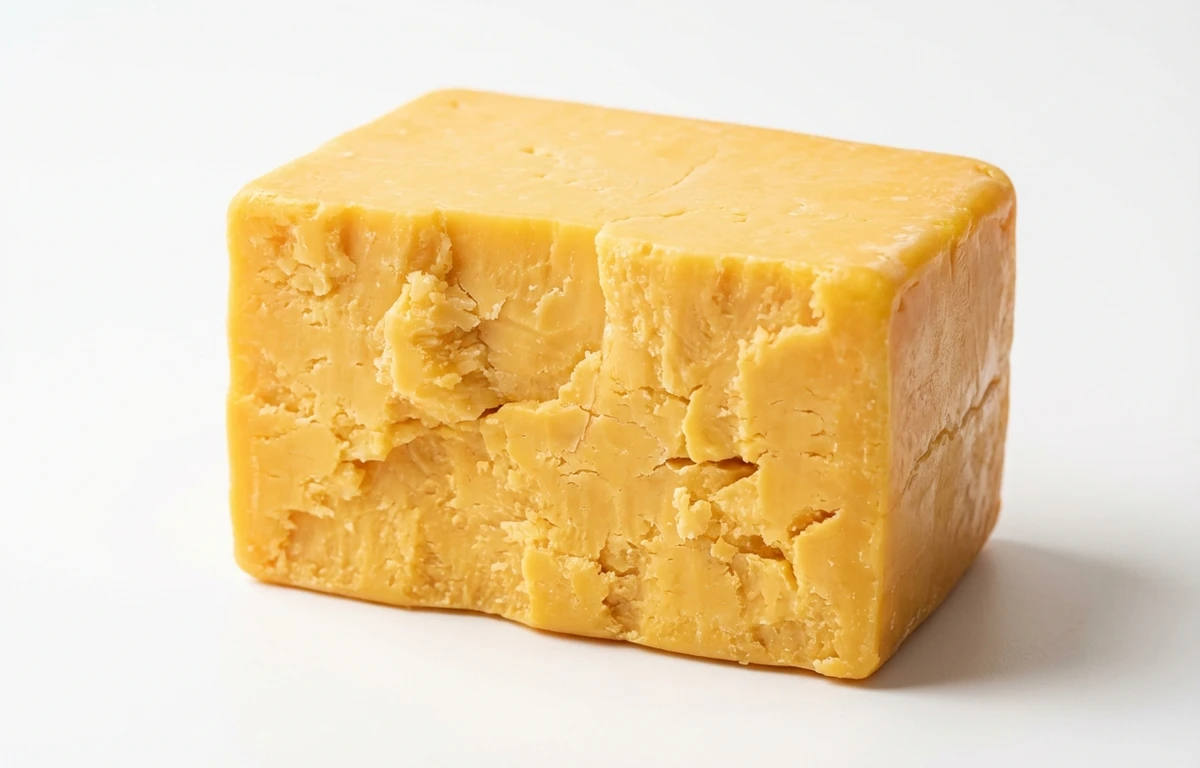
Cheddar Cheese Block.
VegetarianVeganGluten-freeDairy-freeNut-freePeanut-freeSoy-freeEgg-freeShellfish-freeHoney-freeAlcohol-freeFermented
SERVING
CALORIES
404
PROTEIN
24.9g
CARBS
1.3g
FAT
33.1g
FIBER
0g
NUTRITION PROFILE · per 100 g
Everything in this ingredient.
MACRONUTRIENTS
Calories404kcal—
Protein24.9g50%
Carbohydrates1.3g0%
Fiber0g0%
Sugar0.50g1%
Total fat33.1g42%
Saturated fat21.1g106%
Trans fat1.1g—
Cholesterol105mg35%
Water37.2g—
MINERALS
Sodium653mg28%
Potassium76mg2%
Calcium721mg55%
Iron0.20mg1%
Magnesium28mg7%
Phosphorus500mg40%
Zinc3.1mg28%
Copper0.03mg3%
Manganese0.01mg0%
Selenium20.5µg37%
VITAMINS
Vitamin A250µg28%
Vitamin C0mg0%
Vitamin D0.60µg3%
Vitamin E0.30mg2%
Vitamin K2.5µg2%
Thiamin (B1)0.03mg3%
Riboflavin (B2)0.30mg23%
Niacin (B3)0.10mg1%
Pantothenic acid (B5)0.30mg6%
Vitamin B60.05mg3%
Folate (B9)20µg5%
Vitamin B121.3µg54%
%DV based on a 2,000 cal diet. Source: USDA FoodData Central. A dash in the %DV column means there’s no established Daily Value for that nutrient.
MEASUREMENT CONVERSIONS
How much is what.
1 cup115g
1 tablespoon7g
1 oz3.5g
1 lb0.2g
HEALTH BENEFITS
Why eat it.
- ✓Excellent source of calcium for bone health.
- ✓High in protein, essential for muscle repair and growth.
- ✓Contains Vitamin B12, important for nerve function.
- ✓Provides phosphorus, crucial for strong bones and teeth.
- ✓Good source of zinc, supporting immune function.
COOKING TIPS
In the kitchen.
- 1Grate cheddar cheese for even melting in sauces, casseroles, or on top of dishes.
- 2Allow cheddar to come to room temperature for about 30 minutes before serving to enhance its flavor.
- 3Use in grilled cheese sandwiches, macaroni and cheese, quesadillas, or as a topping for chili and baked potatoes.
STORAGE
Keep it fresh.
- Store in the refrigerator, tightly wrapped in plastic wrap or wax paper to prevent drying out.
- Keep away from strong-smelling foods as cheese can absorb odors.
- For longer storage, hard cheeses like cheddar can be frozen, though texture may change slightly.
FAQ
Frequently asked questions.
Is cheddar cheese healthy?
Cheddar cheese is a nutrient-dense dairy product that provides high amounts of calcium, protein, and Vitamin B12. While it supports bone health and muscle repair, it is also high in calories and saturated fat, so it is best enjoyed in moderation as part of a balanced diet.
How much protein is in a cheddar cheese block?
Cheddar cheese is an excellent source of protein, containing approximately 24.9g per 100g serving. This high protein content makes it a popular choice for muscle growth and satiety.
Is cheddar cheese keto-friendly?
Yes, cheddar cheese is highly keto-friendly. It contains only 1.3g of carbohydrates per 100g while providing 33.1g of fat, making it an ideal high-fat, low-carb snack for those on a ketogenic diet.
Is cheddar cheese lactose-free?
Cheddar is naturally very low in lactose because most of the lactose is removed during the cheesemaking process and the remainder is converted to lactic acid during aging. Many people with mild lactose intolerance can tolerate aged cheddar without issues.
Is cheddar cheese gluten-free?
Natural cheddar cheese blocks are inherently gluten-free as they are made from milk, salt, cultures, and enzymes. However, always check the label for any added flavorings or anti-caking agents if you are purchasing pre-shredded versions.
How should I store a block of cheddar cheese?
Store cheddar in the refrigerator wrapped in parchment or wax paper, then placed in a loose plastic bag or airtight container. This prevents the cheese from drying out while still allowing it to 'breathe,' which helps maintain its flavor and texture.
Can you freeze cheddar cheese?
Yes, you can freeze cheddar cheese for up to 6 months. However, freezing changes the texture, making it more crumbly once thawed; therefore, frozen cheddar is best used for melting in cooked dishes rather than eating fresh.
What is the best way to melt cheddar cheese?
For the smoothest results, grate the cheese yourself from a block and melt it over low to medium heat. Avoid high heat, which can cause the proteins to tighten and the fats to separate, resulting in a greasy or rubbery texture.
How can I tell if cheddar cheese has gone bad?
Check for a very sour or ammonia-like smell, a slimy surface, or unusual mold growth. While small spots of surface mold can often be cut away from hard cheeses, you should discard the block if the mold is extensive or the smell is off-putting.
What are the primary health benefits of cheddar cheese?
Cheddar cheese is an excellent source of calcium and phosphorus for bone health, Vitamin B12 for nerve function, and zinc for immune support. Its high protein content also aids in muscle maintenance and repair.
RECIPES
Cook with cheddar cheese block.
1 recipes · sorted by what’s quick