
Loading...
Per 100g
Nutrition data source: USDA FoodData Central
Common measurement equivalents in grams
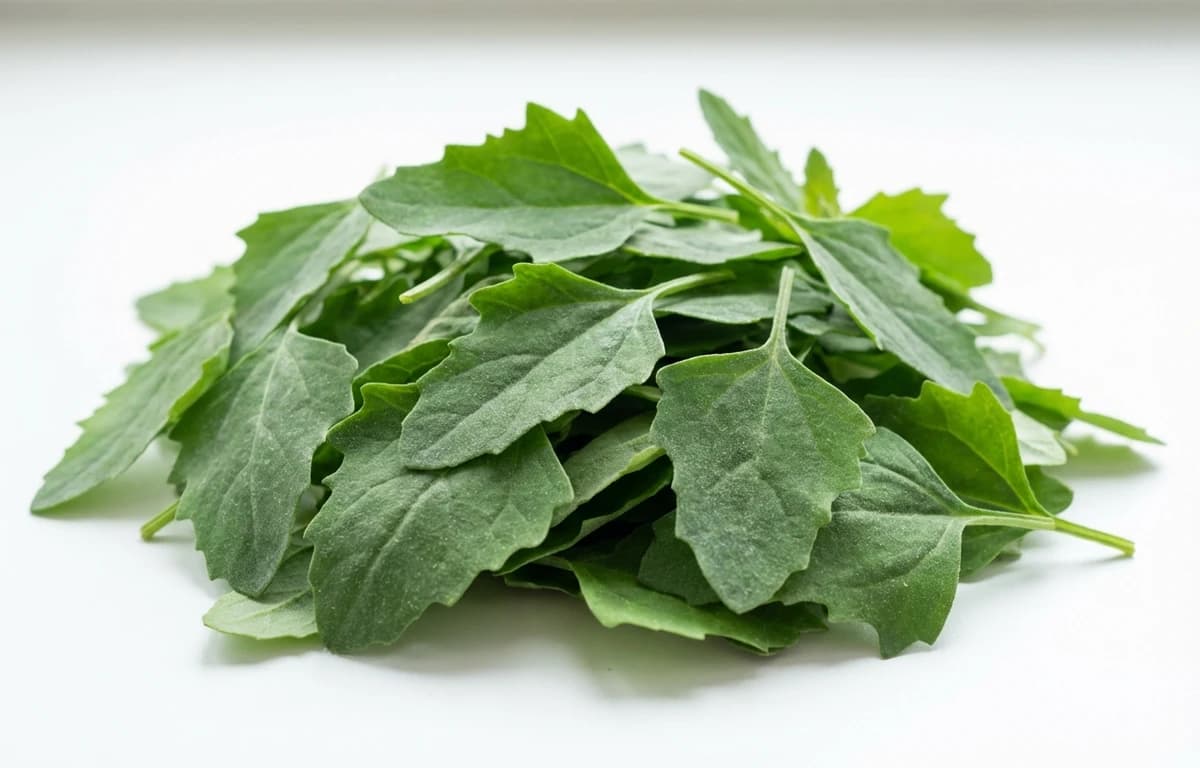
It is most commonly known as Bathua and is a popular winter leafy green in Northern India.
Look for bright green, crisp leaves without any yellowing, wilting, or dark spots.
Tender stems are edible, but thicker, woody stems should be discarded as they are tough and fibrous.
Spinach (Palak) or Amaranth leaves (Chaulai) are the best substitutes due to their similar texture and flavor profile.
While it can be eaten raw in small amounts, it is usually cooked or blanched to reduce oxalic acid content.
When stored properly in a cool, dry environment, it stays fresh for about 3 to 5 days.
Yes, like many dark leafy greens, it is a good plant-based source of iron and minerals.
Because it grows close to the ground and has a slightly textured leaf, it often traps significant amounts of soil and sand.
Yes, it is primarily a winter vegetable, though it grows as a wild weed in many temperate regions during spring.
Yes, you can blanch the leaves, squeeze out excess water, and freeze them in airtight bags for up to 6 months.
chenopodium album is a versatile ingredient found in cuisines around the world. With 43 calories per 100g and 4.2 grams of protein, it's a nutritious addition to many dishes.
Explore more ingredients in the other category with complete nutrition information.
View all other →Discover 0 recipes featuring chenopodium album with step-by-step instructions.
Browse recipes →