
Protein10 recipes
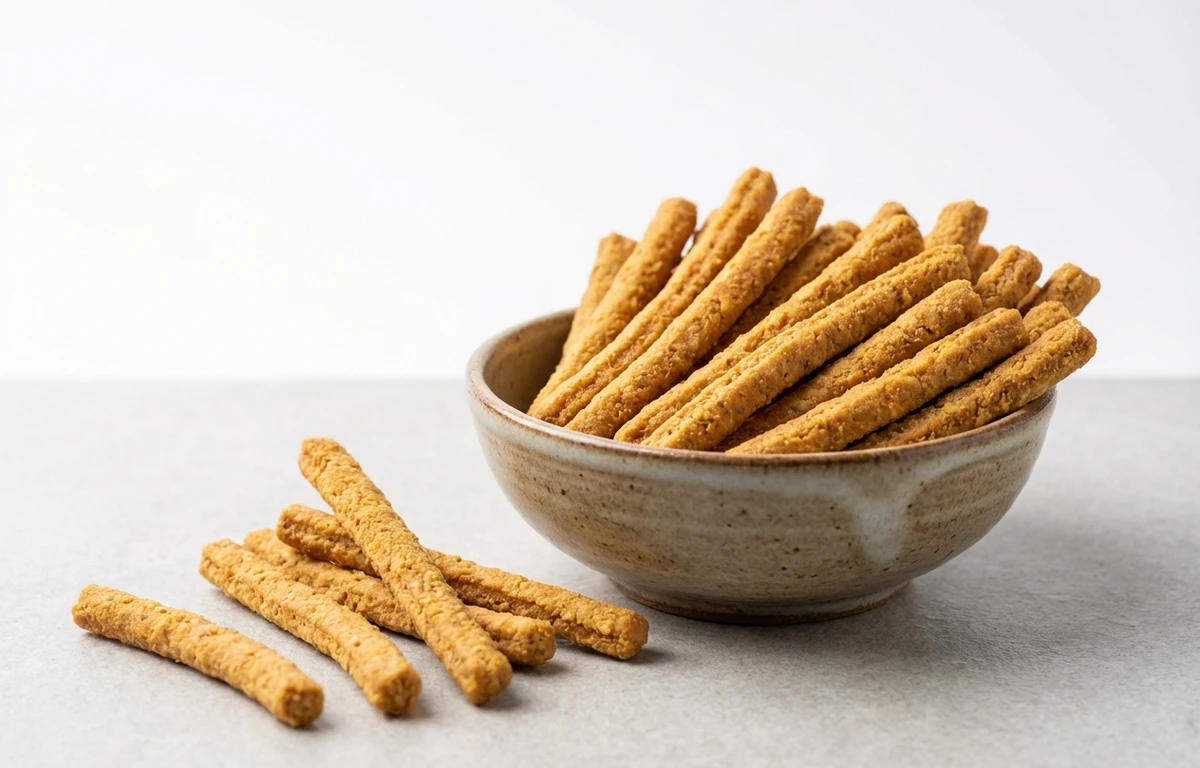
chickpea flour sticks.
VegetarianVeganGluten-freeDairy-freeNut-freePeanut-freeSoy-freeEgg-freeShellfish-freeHoney-freeAlcohol-free
ALSO KNOWN AS
besan sticksgathiyasev
SERVING
CALORIES
570
PROTEIN
12g
CARBS
45g
FAT
38g
FIBER
7.0g
NUTRITION PROFILE · per 100 g
Everything in this ingredient.
MACRONUTRIENTS
Calories570kcal—
Protein12g24%
Carbohydrates45g16%
Fiber7.0g25%
Sugar2.0g4%
Total fat38g49%
Saturated fat12g60%
Cholesterol0mg0%
Water3.0g—
MINERALS
Sodium700mg30%
Potassium300mg6%
Calcium50mg4%
Iron3.0mg17%
Magnesium90mg21%
Phosphorus175mg14%
Zinc1.5mg14%
VITAMINS
Vitamin A0µg0%
Vitamin C0mg0%
Vitamin D0µg0%
Vitamin K1.0µg1%
Thiamin (B1)2.0mg167%
Riboflavin (B2)0.06mg5%
Niacin (B3)1.0mg6%
Vitamin B60.28mg16%
%DV based on a 2,000 cal diet. Source: USDA FoodData Central. A dash in the %DV column means there’s no established Daily Value for that nutrient.
MEASUREMENT CONVERSIONS
How much is what.
1 cup120g
1 tablespoon7.5g
1 teaspoon2.5g
1 ml0.5g
1 liter500g
HEALTH BENEFITS
Why eat it.
- ✓Provides plant-based protein and dietary fiber from chickpeas, contributing to satiety and digestive health.
- ✓Naturally gluten-free, making them a suitable snack for individuals with celiac disease or gluten sensitivity (always verify processing for cross-contamination).
- ✓Contains essential minerals like iron, magnesium, and folate, derived from the chickpea flour, which support energy metabolism.
COOKING TIPS
In the kitchen.
- 1Enjoy as a standalone crunchy snack, often served with tea or coffee.
- 2Serve with dips like chutney, yogurt, or raita to add moisture and flavor.
- 3Crumble and use as a savory topping for salads, soups, or chaat dishes to add texture and a spicy kick.
- 4Can be incorporated into snack mixes with nuts, seeds, and dried fruit for a varied texture and flavor profile.
STORAGE
Keep it fresh.
- Store in a cool, dry place in an airtight container to maintain crispness and prevent them from becoming stale.
- For best quality, consume within 2-3 weeks of opening, as the oils can go rancid over time, affecting flavor and freshness.
FAQ
Frequently asked questions.
Are chickpea flour sticks healthy?
Chickpea flour sticks offer plant-based protein and fiber, which are beneficial for digestion and satiety. However, they are calorie-dense and high in fat (38g per 100g) because they are typically fried, so they should be consumed in moderation as a snack.
How much protein is in chickpea flour sticks?
There are approximately 12 grams of protein per 100 grams of chickpea flour sticks. This is higher than many traditional potato or corn-based snacks, making them a more filling savory option.
Are chickpea flour sticks gluten-free?
Yes, chickpea flour is naturally gluten-free, making these sticks a great alternative for those with celiac disease or gluten sensitivities. Always check the packaging to ensure they weren't processed in a facility that handles wheat.
Are chickpea flour sticks vegan?
Most chickpea flour sticks are vegan as they are primarily made from chickpea flour, water, oil, and spices. However, some flavored varieties may contain milk solids or honey, so it is important to check the ingredient list.
Can I eat chickpea flour sticks on a keto diet?
No, chickpea flour sticks are not keto-friendly. They contain about 45g of carbohydrates per 100g, which is too high for a standard ketogenic diet that requires very low carb intake.
What do chickpea flour sticks taste like?
They have a distinct nutty and earthy flavor characteristic of chickpeas, with a very crunchy and brittle texture. They are usually seasoned with savory spices like turmeric, cumin, or chili powder.
How should I store chickpea flour sticks?
Store them in an airtight container in a cool, dry place away from direct sunlight. Exposure to air and humidity will cause them to lose their crunch and become stale quickly.
How long do chickpea flour sticks last?
When kept in an airtight container, they typically stay fresh for 2 to 4 weeks. If they develop an 'off' smell or lose their crispness, they should be discarded.
Are chickpea flour sticks fried or baked?
Traditionally, these snacks (often known as 'Sev' in Indian cuisine) are deep-fried to achieve their signature crunch. This process contributes to their high fat content of 38g per 100g.
What are some ways to use chickpea flour sticks besides snacking?
Beyond eating them plain, they make an excellent crunchy topping for salads, creamy soups, or yogurt-based dishes. In Indian cuisine, they are a staple ingredient in 'chaat' (savory street snacks) to provide texture.
RECIPES
Cook with chickpea flour sticks.
10 recipes · sorted by what’s quick



















