
Loading...
Also known as:
Per 100g
Nutrition data source: USDA FoodData Central
Common measurement equivalents in grams
Yes, full-fat milk is highly nutritious, providing essential vitamins like A and D, calcium for bone health, and phosphorus. While it contains saturated fat, it offers a complete protein profile and helps with the absorption of fat-soluble vitamins.
Every 100g of full-fat milk contains approximately 3.15g of protein and 3.28g of fat. It also provides about 61 calories and 4.8g of carbohydrates, making it a balanced source of macronutrients.
Full-fat milk can be consumed in moderation on a keto diet, but it contains about 4.8g of carbs (lactose) per 100g. Many keto followers prefer heavy cream or unsweetened nut milks to keep carb counts lower while maintaining high fat intake.
No, standard full-fat milk contains lactose, which is a natural milk sugar. People with lactose intolerance should look for specifically labeled 'lactose-free' versions or plant-based alternatives.
Yes, you can freeze milk for up to 3 months. However, the fat may separate upon thawing, so it is best to shake it well or use it for cooking and baking rather than drinking straight.
Once opened, chilled full-fat milk typically stays fresh for 5 to 7 days if kept at or below 40°F (4°C). Always check for a sour smell or change in texture before consuming.
The higher fat content in full-fat milk adds richness, moisture, and a tender crumb to baked goods. It also helps with browning and provides a more satisfying mouthfeel compared to low-fat or skim alternatives.
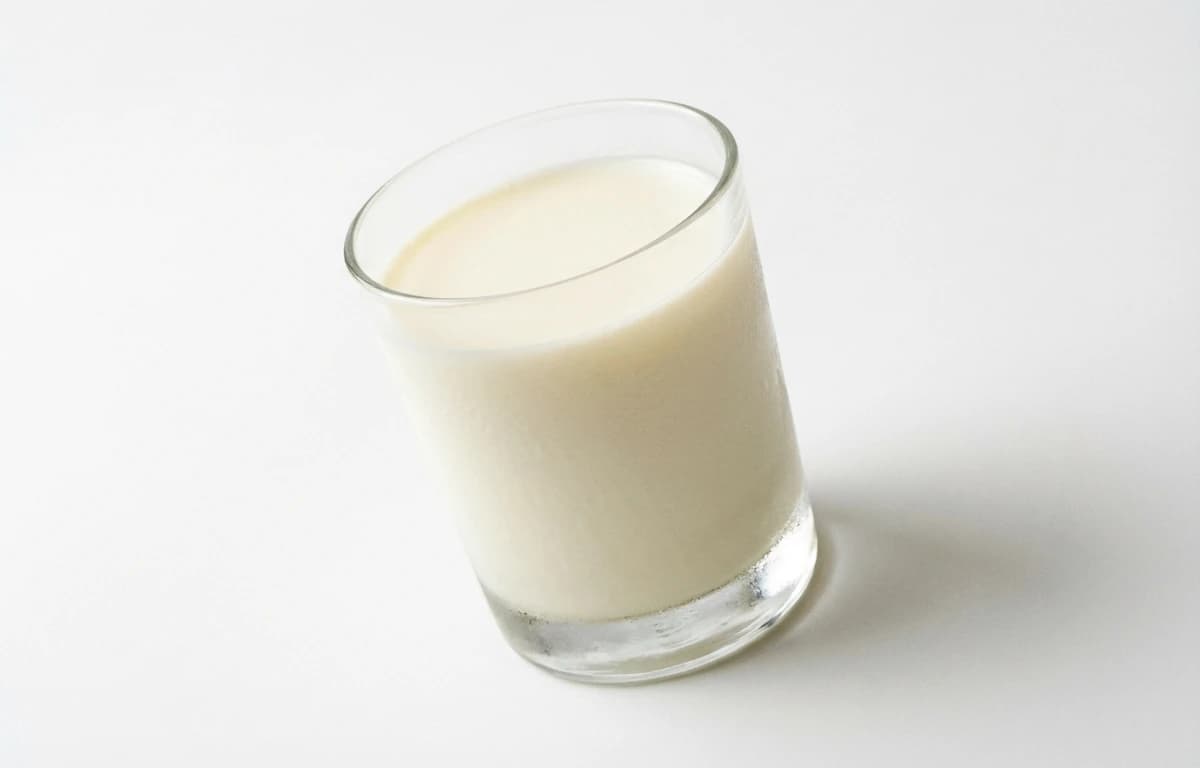
chilled full-fat milk is a versatile ingredient found in cuisines around the world. With 61 calories per 100g and 3.15 grams of protein, it's a nutritious addition to many dishes.
Explore more ingredients in the dairy category with complete nutrition information.
View all dairy →Discover 1 recipes featuring chilled full-fat milk with step-by-step instructions.
Browse recipes →Explore more ingredients similar to chilled full-fat milk.
The most-searched ingredients on CraftMyMeals.
While higher in calories than skim milk, the fat in full-fat milk can increase satiety, potentially helping you feel full longer. However, because it contains 61 calories per 100g, it should be factored into your overall daily caloric intake.
Yes, it is an excellent source of complete protein, containing all essential amino acids needed for muscle repair and growth. The combination of protein and carbohydrates also makes it a popular post-workout recovery drink.
Store milk in the coldest part of the refrigerator, usually on a shelf rather than the door where temperatures fluctuate. Keep it tightly sealed to prevent it from absorbing odors from other foods in the fridge.