
Loading...
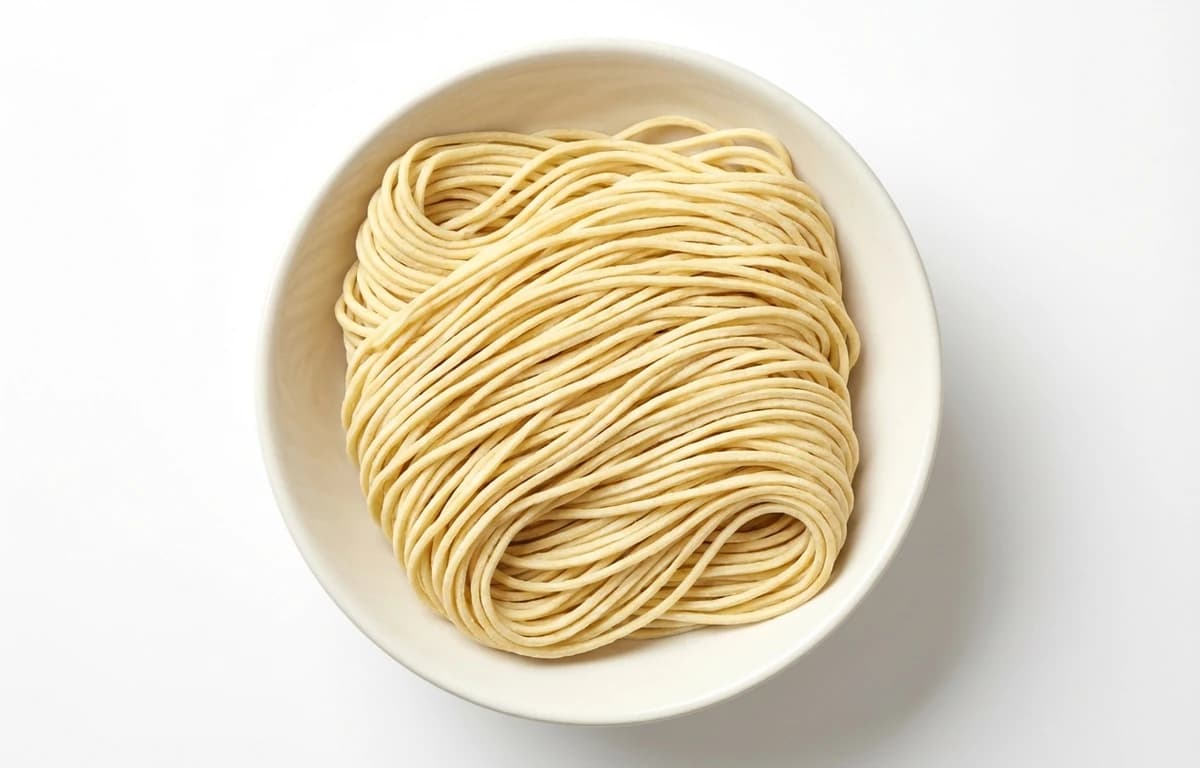
Also known as: Chinese wheat egg noodles, Lo Mein noodles, Chow Mein noodles, chinese egg noodles, stir-fry noodles, ba mee, Thin Egg Noodles
Per 100g
Nutrition data source: USDA FoodData Central
Common measurement equivalents in grams
When stored in a cool, dry place, dried egg noodles can last for 1 to 2 years.
Most traditional Chinese wheat noodles (like Lo Mein or Chow Mein) contain egg, making them non-vegan. Always check the label for egg-free versions.
Yes, you can freeze cooked noodles for up to 3 months. Thaw in the fridge before reheating or toss directly into hot soup.
Italian pasta like linguine, fettuccine, or spaghetti are the best substitutes due to their similar shape and wheat base.
Rinse them with cold water after boiling and toss them with a teaspoon of oil (like sesame or vegetable oil).
Look for signs of pantry pests (weevils), any off-smells, or significant discoloration.
Yes, they are made from wheat flour and contain gluten.
The noodles are often the same; the difference lies in preparation. Lo Mein is tossed/stirred, while Chow Mein is fried until crispy.
Dried egg noodles typically take 3 to 6 minutes. Fresh ones may only take 1 to 2 minutes.
Chinese Wheat Noodles is a versatile ingredient found in cuisines around the world. With 384 calories per 100g and 14.2 grams of protein, it's a nutritious addition to many dishes.
Explore more ingredients in the grain category with complete nutrition information.
View all grain →Discover 4 recipes featuring chinese wheat noodles with step-by-step instructions.
Browse recipes →Explore more ingredients similar to Chinese Wheat Noodles.
The most-searched ingredients on CraftMyMeals.
They are a high-energy carbohydrate source with moderate protein. However, they are refined grains and should be eaten in moderation as part of a balanced diet.