condiment1 recipes
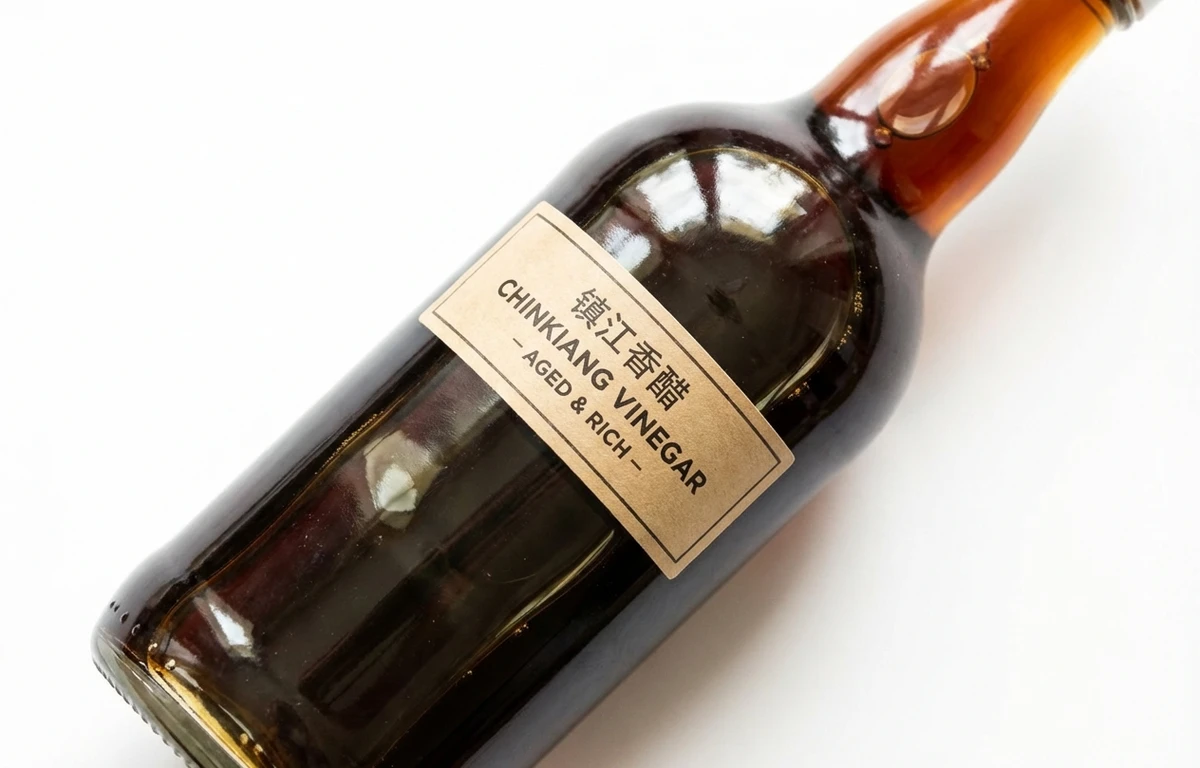
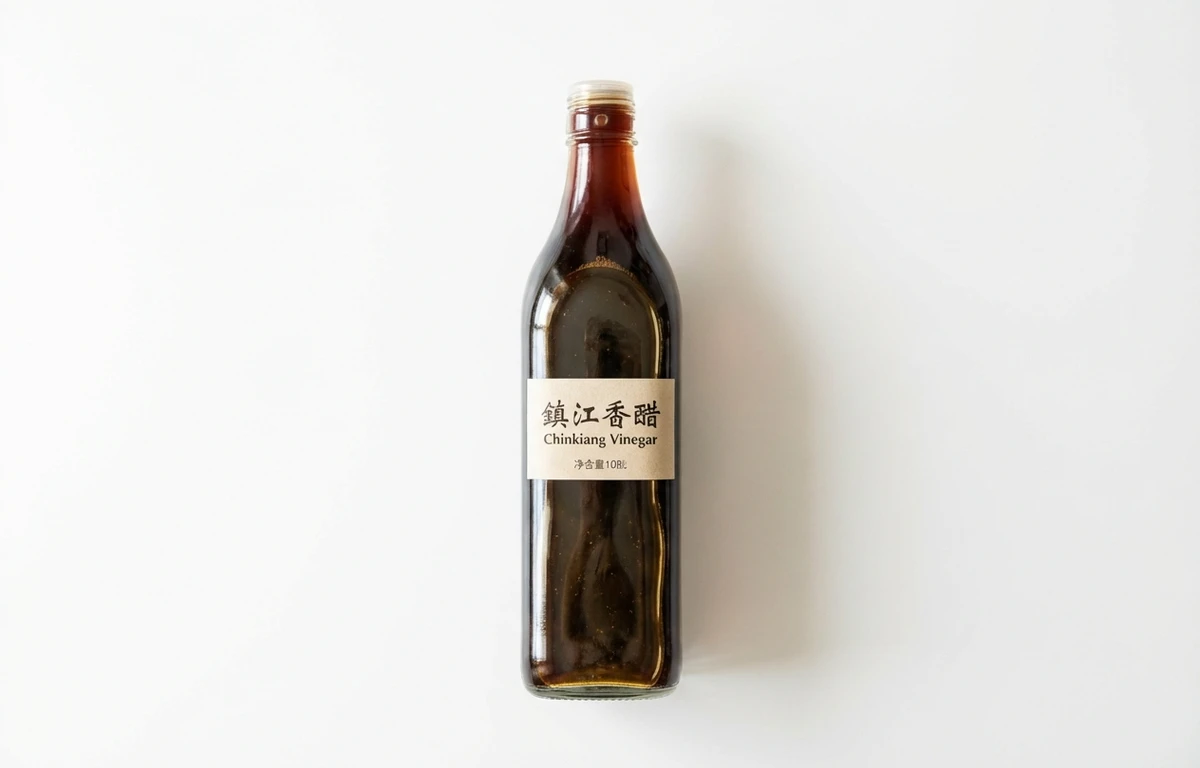
Chinkiang Black Vinegar.
VegetarianVeganGluten-freeDairy-freeNut-freePeanut-freeSoy-freeEgg-freeShellfish-freeHoney-freeAlcohol-freeFermented
ALSO KNOWN AS
Zhenjiang vinegarblack rice vinegarChinese black vinegarZhenjiang xiangcuaged black vinegar
SERVING
CALORIES
26
PROTEIN
1.5g
CARBS
5.0g
FAT
0g
FIBER
0g
NUTRITION PROFILE · per 100 g
Everything in this ingredient.
MACRONUTRIENTS
Calories26kcal—
Protein1.5g3%
Carbohydrates5.0g2%
Fiber0g0%
Sugar1.2g2%
Total fat0g0%
Saturated fat0g0%
Trans fat0g—
Cholesterol0mg0%
Water92g—
MINERALS
Sodium180mg8%
Potassium55mg1%
Calcium15mg1%
Iron0.60mg3%
Magnesium12mg3%
Phosphorus28mg2%
Zinc0.10mg1%
Copper0.02mg2%
Manganese0.10mg4%
Selenium0.50µg1%
VITAMINS
Vitamin A0µg0%
Vitamin C0mg0%
Vitamin D0µg0%
Vitamin E0mg0%
Vitamin K0µg0%
Thiamin (B1)0.01mg1%
Riboflavin (B2)0.02mg2%
Niacin (B3)0.10mg1%
Pantothenic acid (B5)0.05mg1%
Vitamin B60.01mg1%
Folate (B9)0µg0%
Vitamin B120µg0%
%DV based on a 2,000 cal diet. Source: USDA FoodData Central. A dash in the %DV column means there’s no established Daily Value for that nutrient.
MEASUREMENT CONVERSIONS
How much is what.
1 cup240g
1 tablespoon15g
1 teaspoon5g
1 oz28.4g
1 lb453.6g
1 ml1g
1 liter1010g
HEALTH BENEFITS
Why eat it.
- ✓Contains organic acids that aid digestion
- ✓Rich in amino acids from the fermentation process
- ✓May help in regulating blood sugar levels
- ✓Contains antioxidants that fight oxidative stress
- ✓Low-calorie alternative to heavy sauces
COOKING TIPS
In the kitchen.
- 1Add at the very end of cooking to preserve its complex aroma
- 2Use as a primary component in dipping sauces for dumplings
- 3Excellent for balancing the richness of fatty braised meats
STORAGE
Keep it fresh.
- Store in a cool, dark place away from direct sunlight
- Keep the bottle tightly sealed to prevent evaporation
- Does not require refrigeration even after opening
FAQ
Frequently asked questions.
What is Chinkiang Black Vinegar?
It is a traditional Chinese rice vinegar made from glutinous rice and malt, aged for a deep, smoky, and malty flavor.
How long does Chinkiang vinegar last?
It has a very long shelf life and can last indefinitely if stored in a cool, dark place, though it is best used within 2 years for peak flavor.
Is Chinkiang vinegar gluten-free?
No, traditional Chinkiang vinegar contains wheat, barley, or bran as part of the fermentation starter, making it unsuitable for those with gluten intolerance.
What is the best substitute for black vinegar?
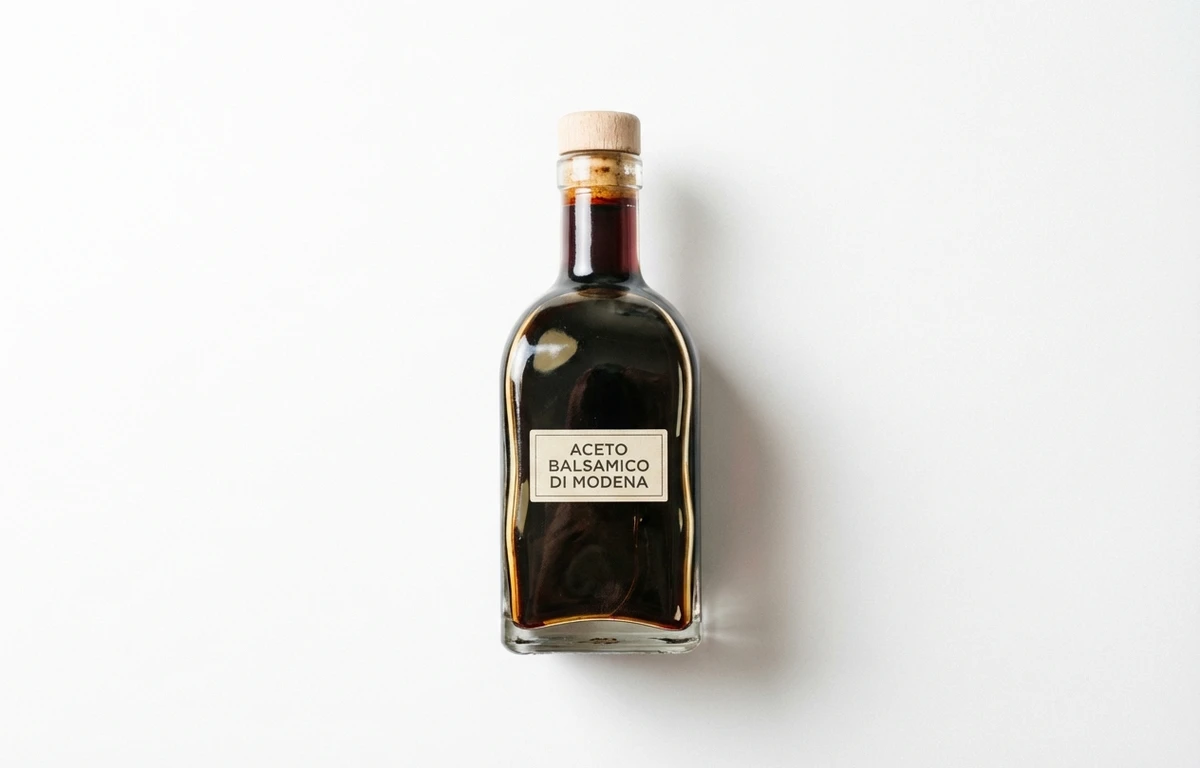
A mix of balsamic vinegar and a splash of soy sauce or red wine vinegar with a pinch of sugar can mimic its complexity.
Does it need to be refrigerated?
No, the high acidity and fermentation process make it shelf-stable at room temperature.
How do I pick a high-quality bottle?
Look for bottles labeled 'Zhenjiang' (the city of origin) and check for longer aging periods, which result in a smoother taste.
What does it taste like?
It is less acidic than white vinegar, with a complex, malty, and slightly smoky flavor profile similar to balsamic but less sweet.
Can I use it for pickling?
Yes, it is excellent for quick-pickling vegetables like cucumbers or radishes, adding a dark color and deep flavor.
Is it the same as regular rice vinegar?
No, regular rice vinegar is clear or pale yellow and much sharper, whereas black vinegar is dark, thick, and more savory.
RECIPES
Cook with chinkiang black vinegar.
1 recipes · sorted by what’s quick