
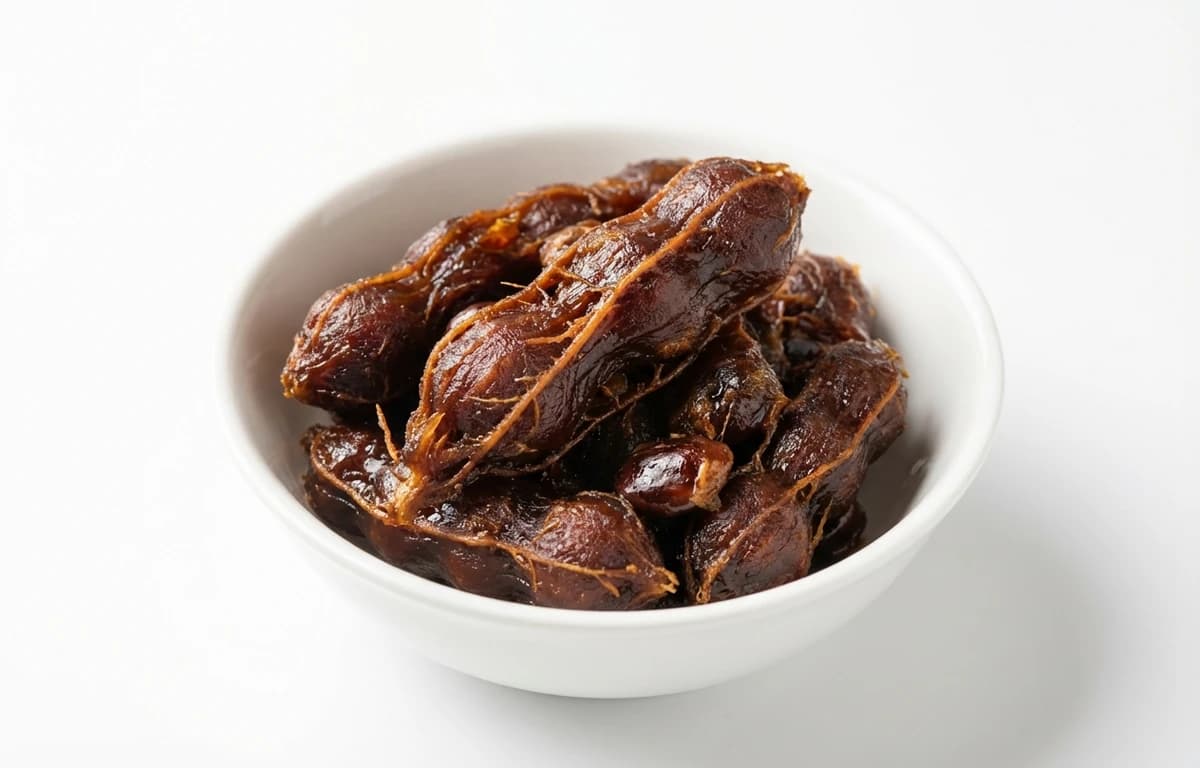
chintapandu
Also known as:
Loading...
Also known as:
Per 100g
Nutrition data source: USDA FoodData Central
Yes, chintapandu is highly nutritious and rich in antioxidants like polyphenols that help combat oxidative stress and inflammation. It is also an excellent source of magnesium, which is essential for nerve function, muscle control, and maintaining healthy blood pressure.
Per 100g, chintapandu contains approximately 239 calories and 62.5g of carbohydrates. While it is nutrient-dense, it is relatively high in natural sugars and carbs, so it is typically used as a flavoring agent rather than a bulk food.
Chintapandu can support weight loss when used in moderation due to its fiber content, which helps you feel full. However, because it contains 239 calories per 100g, it should be used primarily as a seasoning to add flavor without adding the fats found in heavy sauces.
Yes, chintapandu is a natural fruit product and is 100% vegan and gluten-free. It is a safe and popular ingredient for those with celiac disease or those following a plant-based lifestyle.
Chintapandu is generally not considered keto-friendly in large amounts because it contains 62.5g of carbs per 100g. However, using a small amount of tamarind extract for flavoring in a dish may fit within some low-carb limits.
To use it, soak the dried pulp in warm water for about 15 minutes, then squeeze and strain it to extract the juice. This tangy liquid is a base for South Indian dishes like sambar and rasam, as well as various chutneys and marinades.
Chintapandu has a complex flavor profile that is primarily sour and tangy, with subtle sweet undertones. The intensity of the sourness comes from its high concentration of tartaric acid.
chintapandu is a versatile ingredient found in cuisines around the world. With 239 calories per 100g and 2.8 grams of protein, it's a nutritious addition to many dishes.
Explore more ingredients in the fruit category with complete nutrition information.
View all fruit →Discover 0 recipes featuring chintapandu with step-by-step instructions.
Browse recipes →If unavailable, you can substitute it with lime juice or amchur (dried mango powder) to provide a similar acidity. While the flavor won't be identical, these alternatives provide the necessary sourness for most recipes.
Dried chintapandu should be stored in an airtight container in a cool, dry place, where it can last for up to a year. If you have prepared the liquid extract, it should be kept in the refrigerator and used within one week.
Yes, it acts as a natural mild laxative due to its content of tartaric acid, malic acid, and potassium. It has been used traditionally to aid digestive regularity and alleviate constipation.