
Beverage
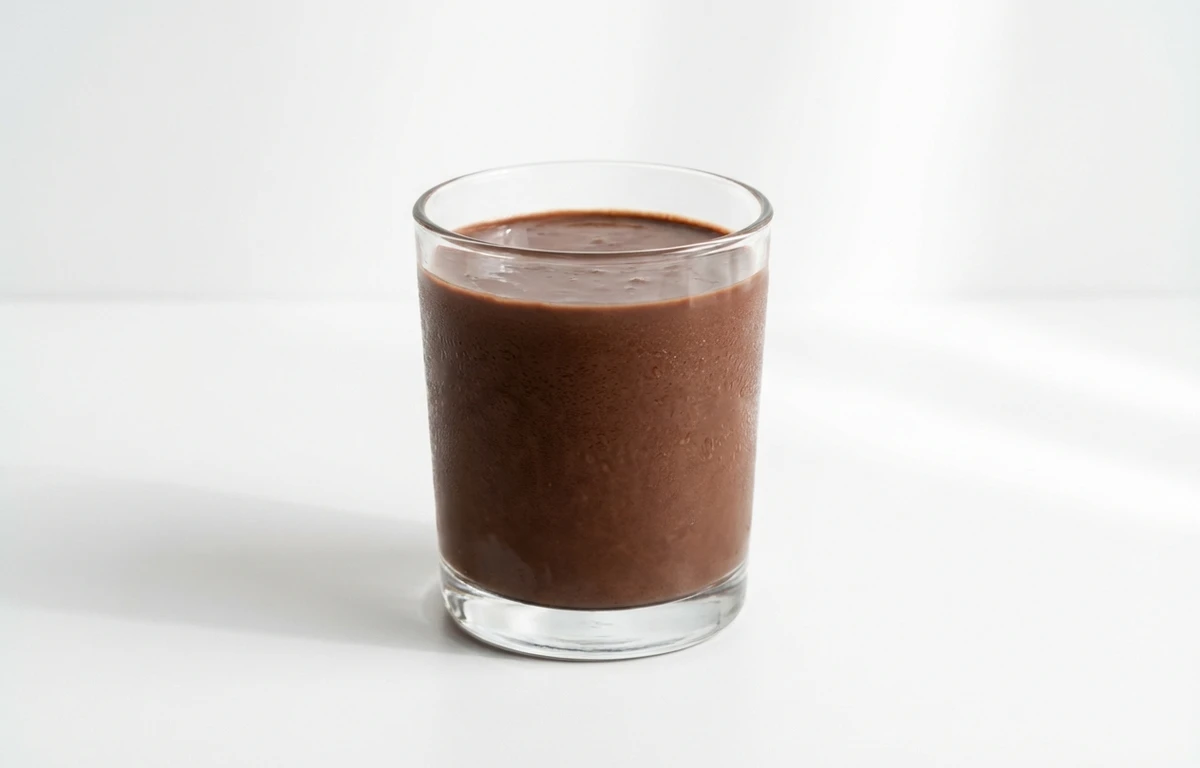
chocolate soymilk.
VegetarianVeganGluten-freeDairy-freeNut-freePeanut-freeSoy-freeEgg-freeShellfish-freeHoney-freeAlcohol-free
SERVING
CALORIES
63
PROTEIN
2.3g
CARBS
9.9g
FAT
1.5g
FIBER
0.40g
NUTRITION PROFILE · per 100 g
Everything in this ingredient.
MACRONUTRIENTS
Calories63kcal—
Protein2.3g5%
Carbohydrates9.9g4%
Fiber0.40g1%
Sugar7.9g16%
Total fat1.5g2%
Saturated fat0.24g1%
Trans fat0g—
Cholesterol0mg0%
Water85.6g—
MINERALS
Sodium53mg2%
Potassium143mg3%
Calcium25mg2%
Iron0.48mg3%
Magnesium15mg4%
Phosphorus51mg4%
Zinc0.34mg3%
Copper0.21mg23%
Selenium4.8µg9%
VITAMINS
Vitamin A0µg0%
Vitamin C1.7mg2%
Vitamin D0µg0%
Vitamin E0.01mg0%
Vitamin K3.0µg3%
Thiamin (B1)0.02mg2%
Riboflavin (B2)0.26mg20%
Niacin (B3)0.51mg3%
Pantothenic acid (B5)0.09mg2%
Vitamin B60.08mg5%
Folate (B9)11µg3%
Vitamin B120.70µg29%
%DV based on a 2,000 cal diet. Source: USDA FoodData Central. A dash in the %DV column means there’s no established Daily Value for that nutrient.
MEASUREMENT CONVERSIONS
How much is what.
1 cup243g
1 tablespoon15.2g
1 teaspoon5.1g
1 ml1g
1 liter1012.5g
HEALTH BENEFITS
Why eat it.
- ✓Provides a source of complete plant-based protein, containing all nine essential amino acids.
- ✓Lactose-free, making it a suitable dairy alternative for individuals with lactose intolerance.
- ✓Often fortified with calcium and vitamin D, which are crucial for maintaining strong bones.
- ✓Contains soy isoflavones, which may support heart health by helping to manage cholesterol levels.
COOKING TIPS
In the kitchen.
- 1Use as a direct 1:1 replacement for dairy milk in smoothies, oatmeal, or cold cereal.
- 2Gently heat on the stove over low-medium heat to make a quick vegan hot chocolate; avoid boiling to prevent scorching.
- 3Can be used in vegan baking recipes for muffins and pancakes, adding moisture and a chocolate flavor.
- 4Freeze in ice cube trays and blend into coffee or smoothies for a creamy, chilled beverage.
STORAGE
Keep it fresh.
- Refrigerate after opening and consume within 7-10 days for optimal freshness and safety.
- Unopened shelf-stable cartons can be stored in a cool, dark pantry until the expiration date.
FAQ
Frequently asked questions.
Is chocolate soymilk healthy?
Chocolate soymilk is a nutritious dairy alternative that provides complete plant-based protein and essential amino acids. It is often fortified with calcium and vitamin D for bone health, though it contains more sugar and calories (63 per 100g) than plain, unsweetened soymilk.
How much protein is in chocolate soymilk?
Chocolate soymilk contains approximately 2.26g of protein per 100g. Unlike many other plant milks, soy is a complete protein source, meaning it provides all nine essential amino acids your body needs.
Is chocolate soymilk vegan?
Yes, chocolate soymilk is typically 100% vegan as it is made from soybeans and plant-based cocoa. However, strict vegans should check the label to ensure the added Vitamin D is plant-derived (D2) rather than sourced from lanolin (D3).
Is chocolate soymilk lactose-free?
Yes, chocolate soymilk is naturally lactose-free because it is a plant-based beverage. This makes it an excellent chocolate milk substitute for individuals with lactose intolerance or dairy allergies.
Is chocolate soymilk keto-friendly?
No, chocolate soymilk is generally not keto-friendly. It contains about 9.95g of carbohydrates per 100g, most of which come from added sugars used to create the chocolate flavor, which can easily exceed daily carb limits.
Can I use chocolate soymilk in coffee or baking?
Yes, it works well as a flavored creamer for coffee or as a liquid base for smoothies. In baking, it can replace dairy milk in recipes for cakes, brownies, or pancakes to add a subtle chocolate undertone.
How long does chocolate soymilk last after opening?
Once opened, chocolate soymilk should be kept refrigerated and is typically best consumed within 7 to 10 days. Always check for changes in smell, texture, or the presence of clumps before drinking.
Can you freeze chocolate soymilk?
You can freeze it, but the texture often becomes grainy or separates once thawed. It is better to freeze it in ice cube trays for use in smoothies or to make homemade chocolate popsicles rather than for drinking later.
Does chocolate soymilk support heart health?
It can support heart health because it contains soy isoflavones, which may help manage cholesterol levels. It is also naturally cholesterol-free and contains less saturated fat (1.53g per 100g) than whole dairy milk.
Is chocolate soymilk gluten-free?
Most brands are naturally gluten-free, but some may use flavorings or thickeners derived from barley. If you have celiac disease or a gluten sensitivity, always look for a 'certified gluten-free' label on the packaging.



















