
Loading...
Per 100g
Nutrition data source: USDA FoodData Central
Common measurement equivalents in grams
Ciabatta rolls are best consumed within 1-2 days of baking. Because they have a high water content and no preservatives, they can go stale or develop mold quickly if left in a humid environment.
Yes, ciabatta freezes very well. Wrap them tightly in plastic wrap or place in a freezer bag. To use, thaw at room temperature or heat directly from frozen in a 350°F oven for 10 minutes.
Traditional ciabatta is vegan as it is made from flour, water, salt, yeast, and olive oil. However, some commercial varieties may add milk or honey, so always check the label.
Ciabatta has a much higher hydration level in the dough, resulting in a more open, airy crumb with larger holes and a flatter, broader shape compared to the long, thin baguette.
Lightly sprinkle the crust with water and place it in a preheated oven at 350°F (175°C) for 5-8 minutes. This restores the crunch to the crust and softens the interior.
Focaccia is the closest substitute due to its olive oil content and texture. French baguettes or sourdough rolls are also good alternatives for sandwiches.
Yes, ciabatta is made from wheat flour and contains high levels of gluten, which is necessary to create its characteristic airy structure.
Its sturdy, thick crust and dense enough crumb allow it to be pressed and heated without collapsing or becoming soggy from fillings.
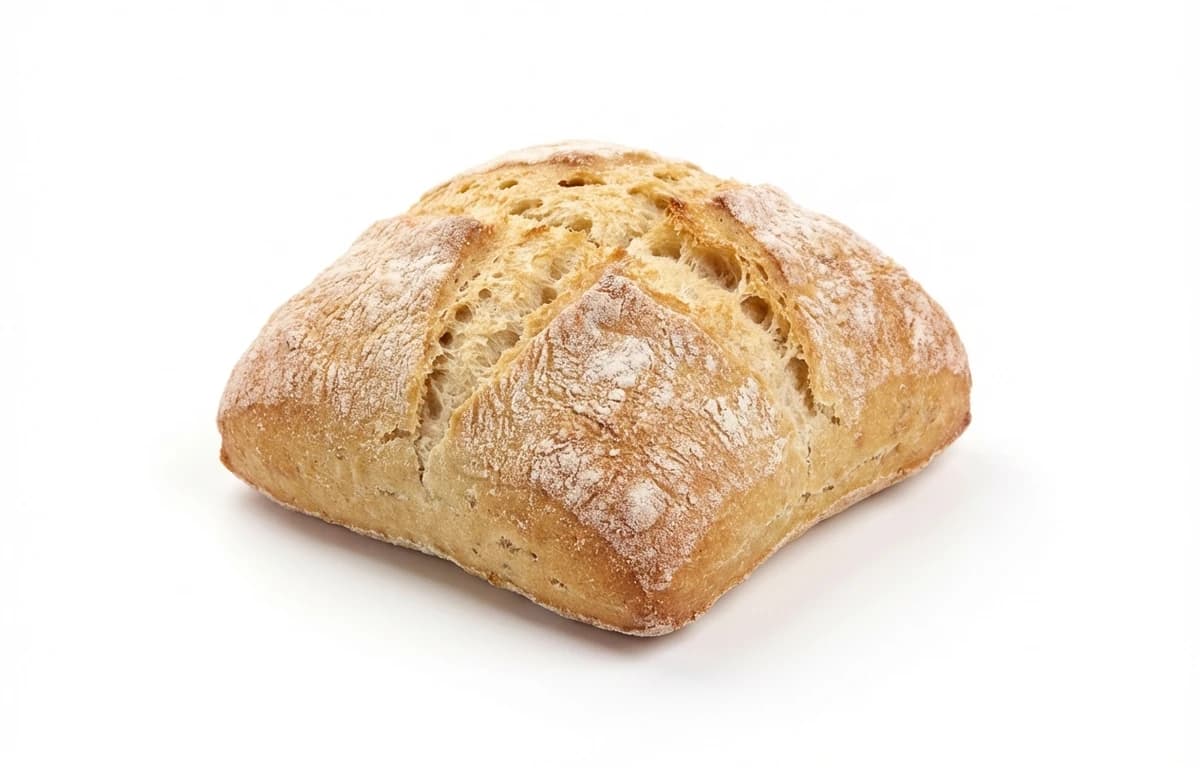
Ciabatta Roll is a versatile ingredient found in cuisines around the world. With 270 calories per 100g and 9 grams of protein, it's a nutritious addition to many dishes.
Explore more ingredients in the grain product category with complete nutrition information.
View all grain product →Discover 1 recipes featuring ciabatta roll with step-by-step instructions.
Browse recipes →