
Other1 recipes
cider yeast.
VegetarianVeganGluten-freeDairy-freeNut-freePeanut-freeSoy-freeEgg-freeShellfish-freeHoney-freeAlcohol-freeFermented
ALSO KNOWN AS
hard cider yeastapple cider yeast
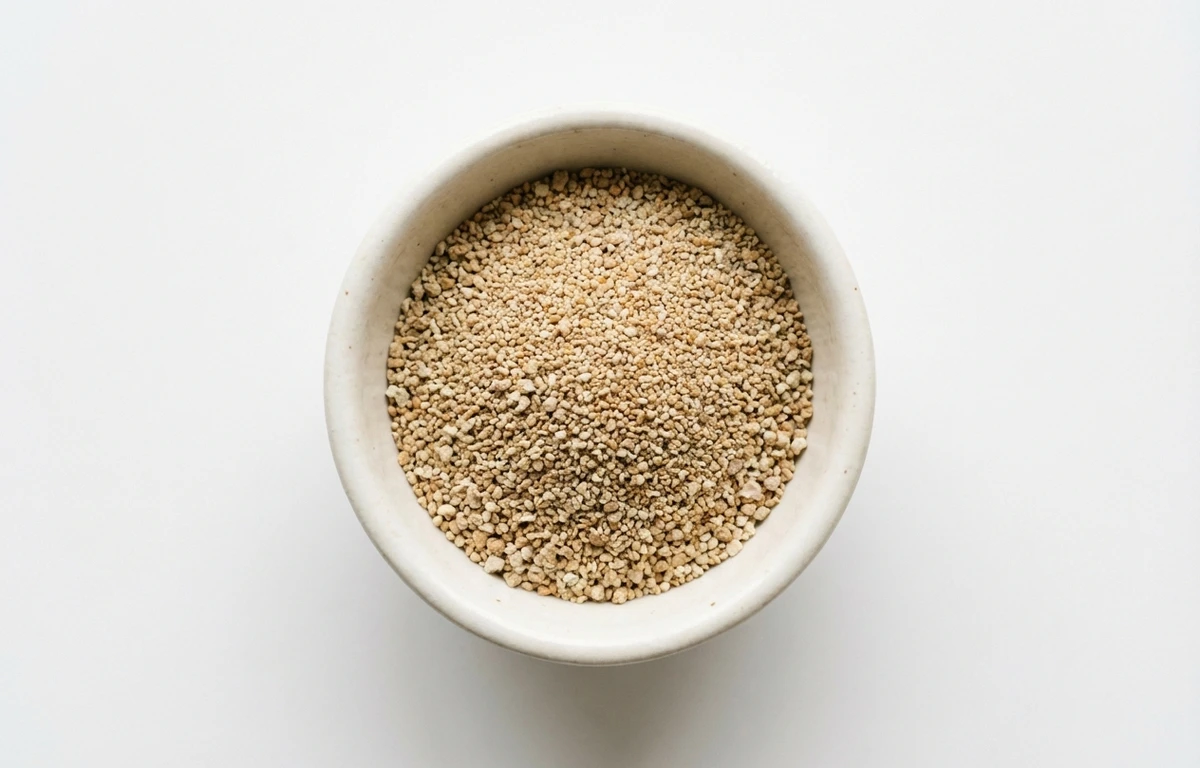
SERVING
CALORIES
325
PROTEIN
40.4g
CARBS
41.2g
FAT
7.6g
FIBER
26.9g
This ingredient is flagged as naturally gluten-free. Per 100 g, it provides 0 µg of vitamin K.
NUTRITION PROFILE · per 100 g
Everything in this ingredient.
MACRONUTRIENTS
Calories325kcal—
Protein40.4g81%
Carbohydrates41.2g15%
Fiber26.9g96%
Sugar0g0%
Total fat7.6g10%
Saturated fat1.3g7%
Trans fat0g—
Cholesterol0mg0%
Water5.1g—
MINERALS
Sodium51mg2%
Potassium1910mg41%
Calcium30mg2%
Iron2.2mg12%
Magnesium54mg13%
Phosphorus637mg51%
Zinc8.0mg73%
Copper0.50mg56%
Manganese0.30mg13%
Selenium0.80µg1%
VITAMINS
Vitamin A0µg0%
Vitamin C0.30mg0%
Vitamin D0µg0%
Vitamin E0mg0%
Vitamin K0µg0%
Thiamin (B1)2.3mg192%
Riboflavin (B2)4.0mg308%
Niacin (B3)40.2mg251%
Pantothenic acid (B5)13.5mg270%
Vitamin B61.5mg88%
Folate (B9)2340µg585%
Vitamin B120.10µg4%
%DV based on a 2,000 cal diet. Source: USDA FoodData Central. A dash in the %DV column means there’s no established Daily Value for that nutrient.
MEASUREMENT CONVERSIONS
How much is what.
1 cup150g
1 tablespoon9g
1 teaspoon3g
1 oz28.4g
1 lb453.6g
1 ml0.6g
1 liter600g
1 piece5g
HEALTH BENEFITS
Why eat it.
- ✓Excellent source of B-complex vitamins
- ✓High protein content for a plant-based source
- ✓Rich in essential minerals like potassium and zinc
- ✓Contains dietary fiber which supports digestion
COOKING TIPS
In the kitchen.
- 1Rehydrate in warm water or juice (35-40°C) for 15 minutes before pitching
- 2Ensure the liquid contains some sugar to 'wake up' the yeast
- 3Avoid using boiling water as it will kill the live yeast cultures
STORAGE
Keep it fresh.
- Store unopened packets in a cool, dry, and dark place
- Once opened, seal tightly and store in the refrigerator
- Can be frozen in an airtight container to extend shelf life significantly
FAQ
Frequently asked questions.
How long does cider yeast last?
Unopened packets typically last 2 years from the manufacture date. Once opened, it should be used within 3-4 months if refrigerated.
Can I use bread yeast instead of cider yeast?
Yes, but bread yeast has a lower alcohol tolerance and may produce 'bready' or off-flavors compared to specialized cider strains.
How do I know if my cider yeast is still active?
Proof it by adding a teaspoon to a half-cup of warm water with a pinch of sugar; if it foams or bubbles within 10 minutes, it is active.
What is the best substitute for cider yeast?
Champagne yeast or white wine yeast (like Lalvin EC-1118) are the best substitutes as they preserve fruit aromas and have high alcohol tolerance.
Is cider yeast gluten-free?
Pure cider yeast is naturally gluten-free, but always check the packaging for potential cross-contamination or additives.
What temperature is best for cider yeast fermentation?
Most cider yeasts perform best between 15°C and 24°C (59°F - 75°F). Cooler temperatures result in slower, cleaner fermentation.
Does cider yeast contain alcohol?
No, the yeast itself does not contain alcohol. It produces alcohol as a byproduct when it consumes sugars during fermentation.
How much yeast do I need for a 5-gallon batch?
A standard 5g to 11g sachet is usually sufficient for a 5-gallon (19 liter) batch of cider.
Can cider yeast be used for baking?
Technically yes, but it is optimized for alcohol production and flavor profile in liquids, so the bread may rise differently and taste unusual.
Should I stir the yeast into the cider?
It is generally recommended to sprinkle it on top (pitching) or rehydrate it first. Stirring is optional but can help distribute the cells.
RECIPES
Cook with cider yeast.
1 recipes · sorted by what’s quick



















