
Other2 recipes
citric acid.
VegetarianVeganGluten-freeDairy-freeNut-freePeanut-freeSoy-freeEgg-freeShellfish-freeHoney-freeAlcohol-freeFermented
ALSO KNOWN AS
sour saltlemon salt
SERVING
CALORIES
250
PROTEIN
0g
CARBS
100g
FAT
0g
FIBER
0g
NUTRITION PROFILE · per 100 g
Everything in this ingredient.
MACRONUTRIENTS
Calories250kcal—
Protein0g0%
Carbohydrates100g36%
Fiber0g0%
Sugar0g0%
Total fat0g0%
Saturated fat0g0%
Trans fat0g—
Cholesterol0mg0%
Water0.50g—
MINERALS
Sodium1.0mg0%
Potassium0mg0%
Calcium0mg0%
Iron0mg0%
Magnesium0mg0%
Phosphorus0mg0%
Zinc0mg0%
Copper0mg0%
Manganese0mg0%
Selenium0µg0%
VITAMINS
Vitamin A0µg0%
Vitamin C0mg0%
Vitamin D0µg0%
Vitamin E0mg0%
Vitamin K0µg0%
Thiamin (B1)0mg0%
Riboflavin (B2)0mg0%
Niacin (B3)0mg0%
Pantothenic acid (B5)0mg0%
Vitamin B60mg0%
Folate (B9)0µg0%
Vitamin B120µg0%
%DV based on a 2,000 cal diet. Source: USDA FoodData Central. A dash in the %DV column means there’s no established Daily Value for that nutrient.
MEASUREMENT CONVERSIONS
How much is what.
1 cup190g
1 tablespoon15g
1 teaspoon5g
1 oz28.4g
1 lb453.6g
1 ml0.8g
1 liter800g
HEALTH BENEFITS
Why eat it.
- ✓Acts as a natural preservative
- ✓Enhances nutrient absorption
- ✓May help prevent kidney stones
- ✓Provides a tart flavor without extra liquid
- ✓Has antioxidant properties
COOKING TIPS
In the kitchen.
- 1Use 1/2 teaspoon to replace 2 tablespoons of lemon juice
- 2Add to canning recipes to maintain fruit color
- 3Use sparingly as it is highly concentrated
STORAGE
Keep it fresh.
- Store in an airtight container
- Keep in a cool, dry place
- Avoid exposure to moisture to prevent clumping
FAQ
Frequently asked questions.
How long does citric acid last?
When stored in a cool, dry place in an airtight container, citric acid has a shelf life of about 3 years.
Can citric acid be frozen?
Freezing is not necessary and not recommended, as moisture in the freezer can cause the powder to clump.
What is the best way to store citric acid?
The best method is in its original packaging or an airtight glass jar in a dark, dry pantry.
How do I identify high-quality citric acid?
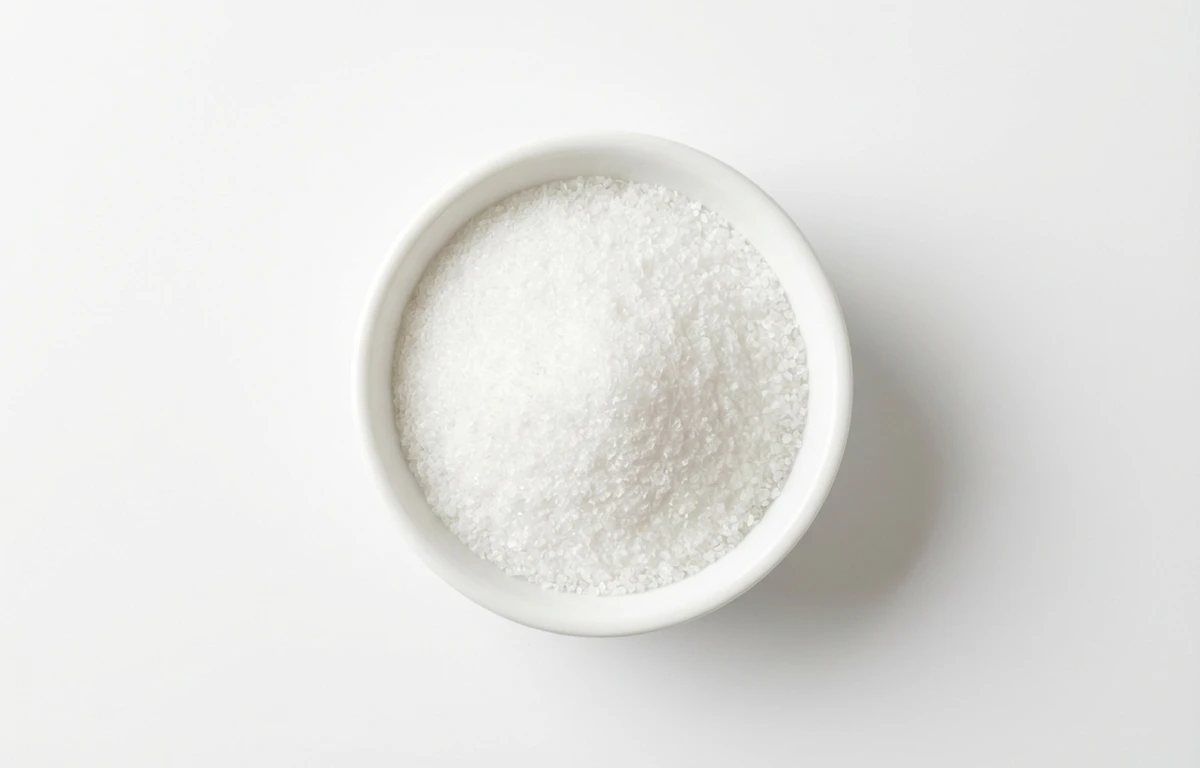
Look for food-grade citric acid that is a fine, white, crystalline powder without any yellowish tint or clumps.
What can I use as a substitute for citric acid?
Lemon juice, lime juice, or tartaric acid are the best substitutes. Use 1/8 cup of lemon juice for every 1/2 teaspoon of citric acid.
How do I use citric acid in canning?
Add it directly to jars before filling to lower the pH level, which ensures safety and prevents browning in fruits like peaches.
Is citric acid the same as Vitamin C?
No, citric acid is not Vitamin C. Vitamin C is ascorbic acid. While both are sour, they have different chemical structures and nutritional roles.
What are common dishes that use citric acid?
It is commonly used in sourdough bread, soft drinks, candies, jams, jellies, and as a meat tenderizer.
Is citric acid safe for people with corn allergies?
Some citric acid is manufactured using corn-based fermentation. Those with severe corn allergies should look for 'corn-free' certified labels.
Can I use citric acid for cleaning?
Yes, food-grade citric acid is excellent for descaling kettles and coffee makers due to its ability to break down calcium deposits.
RECIPES
Cook with citric acid.
2 recipes · sorted by what’s quick



















