
Other1 recipes
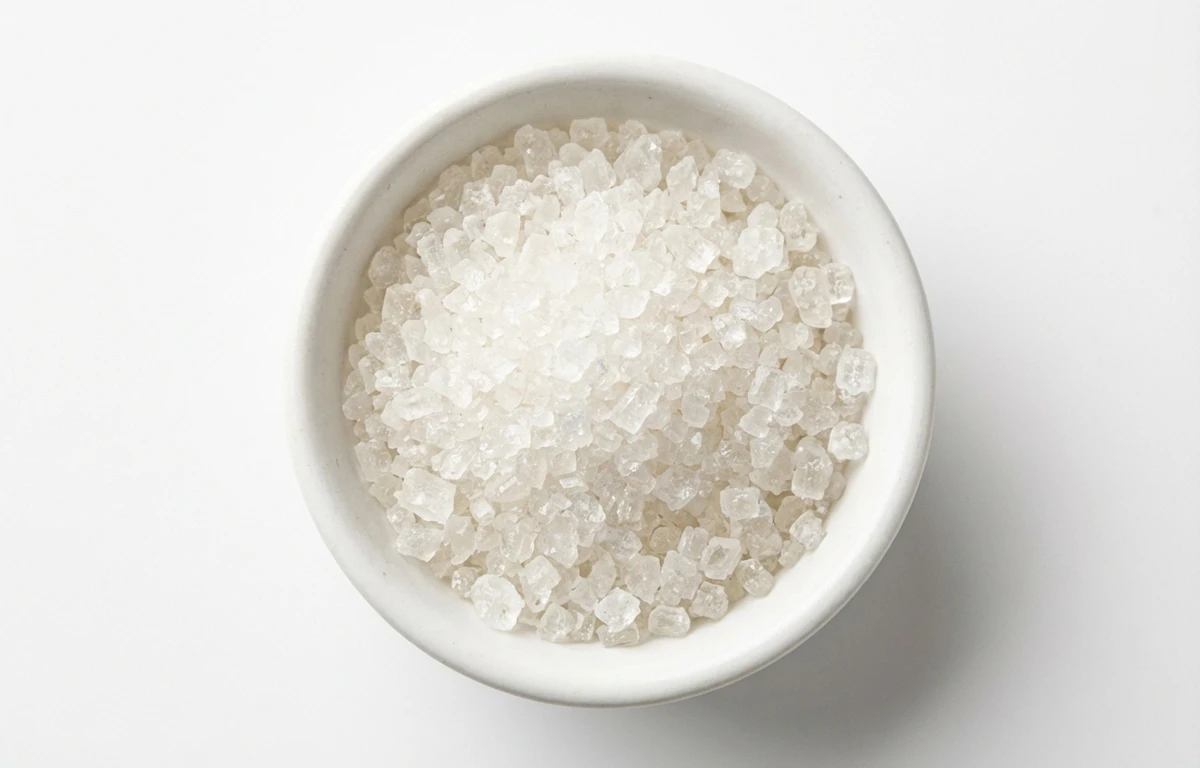
coarse sugar.
VegetarianVeganGluten-freeDairy-freeNut-freePeanut-freeSoy-freeEgg-freeShellfish-freeHoney-freeAlcohol-free
SERVING
CALORIES
399
PROTEIN
0g
CARBS
100g
FAT
0g
FIBER
0g
This ingredient is flagged as naturally gluten-free. Per 100 g, it provides 0 µg of vitamin K.
NUTRITION PROFILE · per 100 g
Everything in this ingredient.
MACRONUTRIENTS
Calories399kcal—
Protein0g0%
Carbohydrates100g36%
Fiber0g0%
Sugar100g200%
Total fat0g0%
Saturated fat0g0%
Cholesterol0mg0%
Water0.02g—
MINERALS
Sodium1.0mg0%
Potassium2.0mg0%
Calcium1.0mg0%
Iron0.05mg0%
Magnesium0mg0%
Phosphorus0mg0%
Zinc0mg0%
Copper0mg0%
Manganese0mg0%
Selenium0µg0%
VITAMINS
Vitamin A0µg0%
Vitamin C0mg0%
Vitamin D0µg0%
Vitamin E0mg0%
Vitamin K0µg0%
Thiamin (B1)0mg0%
Riboflavin (B2)0mg0%
Niacin (B3)0mg0%
Pantothenic acid (B5)0mg0%
Vitamin B60mg0%
Folate (B9)0µg0%
Vitamin B120µg0%
%DV based on a 2,000 cal diet. Source: USDA FoodData Central. A dash in the %DV column means there’s no established Daily Value for that nutrient.
MEASUREMENT CONVERSIONS
How much is what.
1 cup200g
1 tablespoon12g
1 teaspoon4g
1 ml0.9g
1 liter800g
HEALTH BENEFITS
Why eat it.
- ✓Provides a rapid source of glucose for quick energy.
- ✓Can improve the palatability of certain foods, potentially encouraging consumption of nutrient-dense items.
- ✓Acts as a food source for yeast, aiding in the leavening of baked goods.
COOKING TIPS
In the kitchen.
- 1Sprinkle on top of cookies, scones, muffins, and pies before baking to create a crunchy, sparkling crust that resists melting.
- 2Use to decorate cakes and other desserts for a textural and visual appeal.
- 3Ideal for rimming cocktail glasses for a sweet and decorative touch.
- 4Can be used to make clear sugar syrups or certain types of candy due to its large crystal size and purity.
STORAGE
Keep it fresh.
- Store in an airtight container in a cool, dry place, such as a pantry, to prevent moisture absorption and clumping.
- If the sugar hardens, place a piece of bread or a slice of apple in the container for a day to restore moisture and soften it.
FAQ
Frequently asked questions.
How many calories and carbs are in coarse sugar?
Coarse sugar is very calorie-dense, containing approximately 399 calories and 99.98 grams of carbohydrates per 100g. It contains 0g of protein and 0g of fat, making it a pure carbohydrate source.
Is coarse sugar vegan?
Most coarse sugar is vegan-friendly; however, some refined sugars are processed using bone char. To ensure it is strictly vegan, look for brands labeled 'certified vegan' or 'organic,' as organic sugar processing does not involve bone char.
Is coarse sugar keto-friendly?
No, coarse sugar is not keto-friendly. With nearly 100% carbohydrate content, even a small amount can exceed daily carb limits and disrupt ketosis.
What is the main difference between coarse sugar and regular granulated sugar?
The primary difference is the crystal size; coarse sugar has much larger crystals that are more resistant to heat. This allows it to maintain its shape and crunch during baking, whereas granulated sugar dissolves and melts more quickly.
Can I substitute regular sugar with coarse sugar in a cake recipe?
While you can substitute it by weight, it is not recommended for batters because the large crystals do not dissolve easily, resulting in a gritty texture. It is best used as a finishing sugar for toppings rather than a primary sweetener inside a dough.
What is coarse sugar typically used for?
Coarse sugar is mainly used for decorating the tops of muffins, cookies, and pastries to add a professional 'sparkle' and a crunchy texture. It also acts as a food source for yeast, helping baked goods rise effectively.
Does coarse sugar melt in the oven?
Coarse sugar has a higher melting point than fine sugar, meaning it stays intact at standard baking temperatures. This heat resistance is why it is the preferred choice for creating a crunchy, sugary crust on pies and breads.
How should I store coarse sugar?
Store coarse sugar in an airtight container in a cool, dry pantry. It is highly sensitive to moisture, which can cause the large crystals to clump together or lose their distinct shape.
RECIPES
Cook with coarse sugar.
1 recipes · sorted by what’s quick



















