
Condiment6 recipes
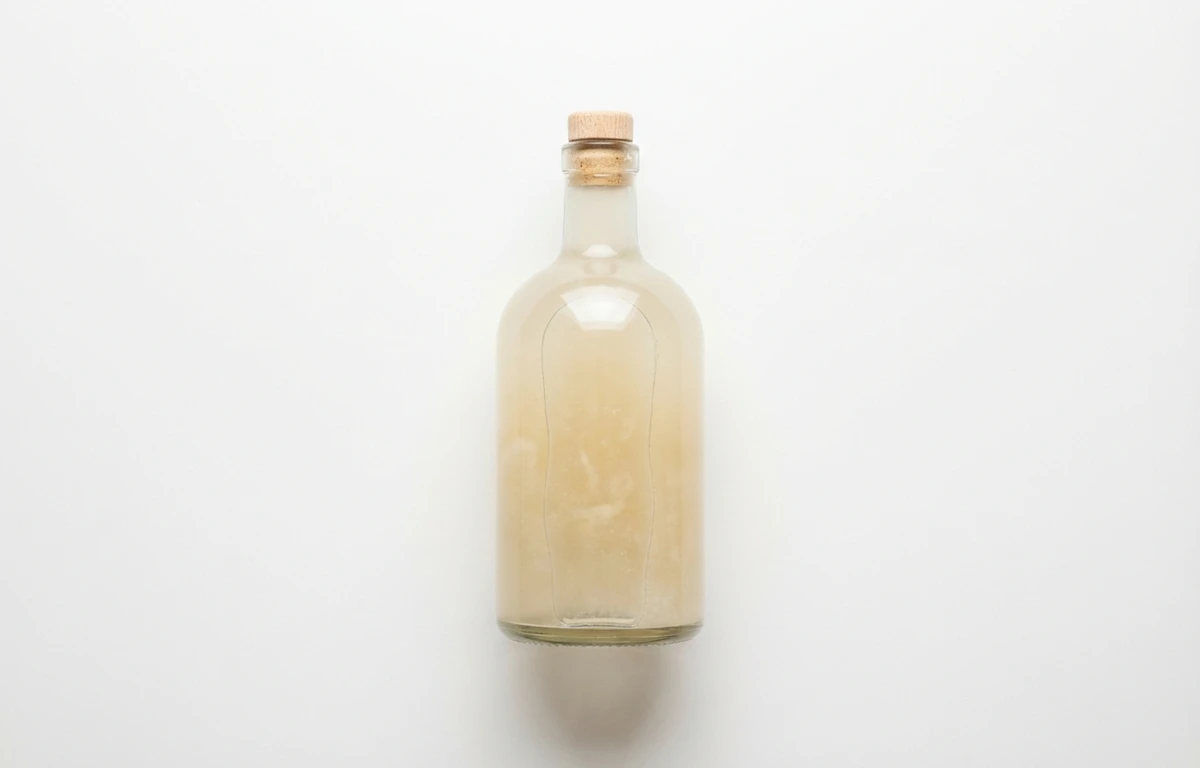
coconut vinegar.
VegetarianVeganGluten-freeDairy-freeNut-freePeanut-freeSoy-freeEgg-freeShellfish-freeHoney-freeAlcohol-freeFermented
ALSO KNOWN AS
sukang tubasukang paombongcoconut sap vinegarfermented coconut water vinegar
SERVING
CALORIES
0
PROTEIN
0g
CARBS
0g
FAT
0g
FIBER
0g
NUTRITION PROFILE · per 100 g
Everything in this ingredient.
MACRONUTRIENTS
Calories0kcal—
Protein0g0%
Carbohydrates0g0%
Fiber0g0%
Sugar0g0%
Total fat0g0%
Saturated fat0g0%
Trans fat0g—
Cholesterol0mg0%
Water99g—
MINERALS
Sodium15mg1%
Potassium150mg3%
Calcium2.0mg0%
Iron0.10mg1%
Magnesium2.0mg0%
Phosphorus2.0mg0%
Zinc0.02mg0%
Copper0.01mg1%
Manganese0.01mg0%
Selenium0.10µg0%
VITAMINS
Vitamin A0µg0%
Vitamin C0mg0%
Vitamin D0µg0%
Vitamin E0mg0%
Vitamin K0µg0%
Thiamin (B1)0.01mg1%
Riboflavin (B2)0.01mg1%
Niacin (B3)0.01mg0%
Pantothenic acid (B5)0.01mg0%
Vitamin B60.01mg1%
Folate (B9)0µg0%
Vitamin B120µg0%
%DV based on a 2,000 cal diet. Source: USDA FoodData Central. A dash in the %DV column means there’s no established Daily Value for that nutrient.
MEASUREMENT CONVERSIONS
How much is what.
1 cup242.4g
1 tablespoon15.2g
1 teaspoon5.1g
1 oz28.6g
1 lb453.6g
1 ml1g
1 liter1010g
HEALTH BENEFITS
Why eat it.
- ✓Contains probiotics for gut health
- ✓Low glycemic index suitable for diabetics
- ✓Rich in potassium and trace minerals
- ✓Natural antimicrobial properties
- ✓May aid in weight management
COOKING TIPS
In the kitchen.
- 1Use as a milder, sweeter alternative to apple cider vinegar
- 2Excellent for marinating meats to tenderize them
- 3Shake before use if it contains the 'mother' sediment
STORAGE
Keep it fresh.
- Store in a cool, dark place away from direct sunlight
- Keep the bottle tightly sealed to prevent evaporation
- Does not require refrigeration even after opening
FAQ
Frequently asked questions.
How long does coconut vinegar last?
It has an almost indefinite shelf life due to its acidity, but is best used within 2 years for optimal flavor.
What is the 'mother' in coconut vinegar?
The 'mother' is a cloudy sediment consisting of beneficial bacteria and enzymes produced during fermentation.
What is a good substitute for coconut vinegar?
Apple cider vinegar or rice vinegar are the closest substitutes in terms of acidity and flavor profile.
Is coconut vinegar better than apple cider vinegar?
It is nutritionally similar but often contains more potassium and has a slightly milder, sweeter taste.
How should I select a high-quality coconut vinegar?
Look for 'raw', 'unfiltered', or 'with the mother' on the label, and ensure it is made from coconut sap rather than coconut water for higher nutrient density.
Can coconut vinegar be used for cleaning?
While it has antimicrobial properties, it is generally more expensive and better suited for culinary use than white distilled vinegar.
Does coconut vinegar taste like coconut?
No, it has a sharp, acidic taste similar to other vinegars but with a slightly floral and yeasty undertone.
Is coconut vinegar keto-friendly?
Yes, it contains zero net carbs and zero calories, making it perfect for ketogenic and low-carb diets.
Can I freeze coconut vinegar?
Freezing is not recommended as it can alter the flavor and kill the beneficial probiotic bacteria.
RECIPES
Cook with coconut vinegar.
6 recipes · sorted by what’s quick



















