
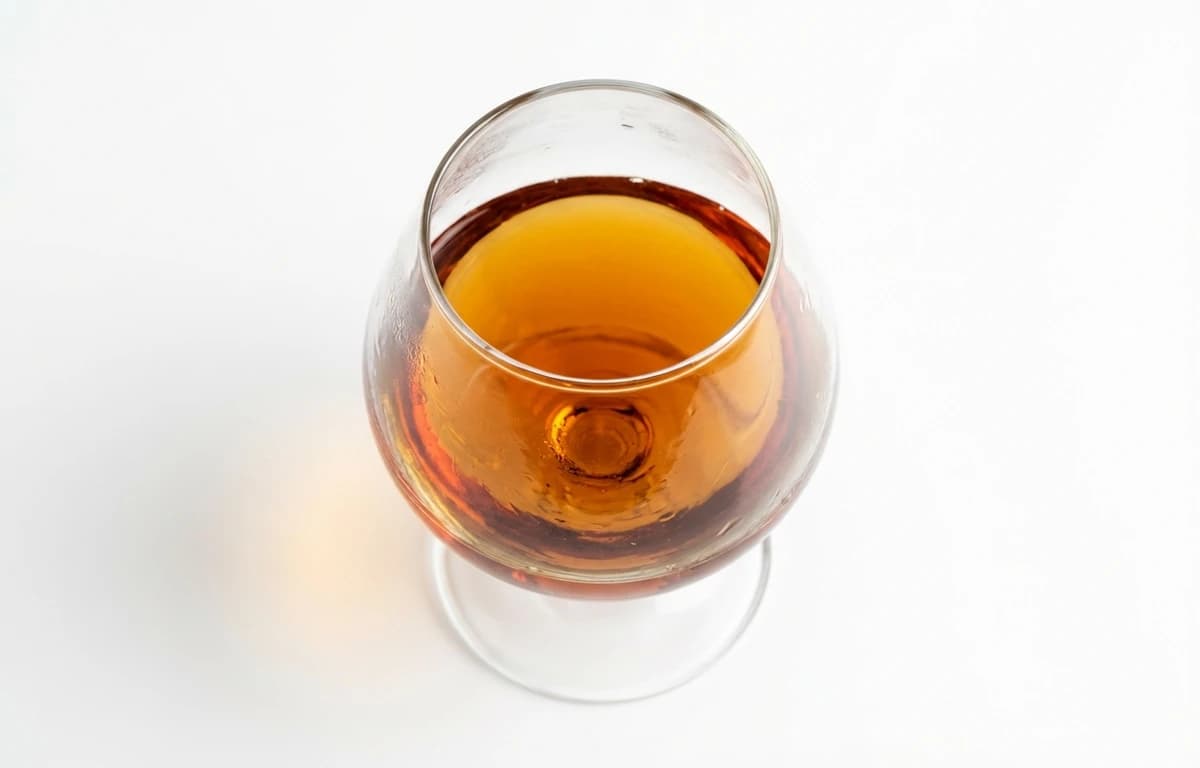
Cognac
Also known as:
Loading...
Also known as:
Per 100g
Nutrition data source: USDA FoodData Central
Common measurement equivalents in grams
When consumed in moderation, Cognac may offer antioxidant benefits derived from the grape compounds used in its production. It is also traditionally used as a digestif to aid digestion after meals, though excessive consumption carries significant health risks.
Cognac contains approximately 237 calories per 100g. Because it is a distilled spirit, it contains zero grams of protein, carbohydrates, and fat, meaning all of its calories come from the alcohol content.
Yes, Cognac is naturally gluten-free. It is distilled from grapes rather than grains, making it safe for individuals with celiac disease or gluten sensitivities.
While Cognac has zero carbohydrates, it is not ideal for a strict keto diet. The body prioritizes metabolizing alcohol over fat, which can temporarily pause ketosis and slow down weight loss progress.
Cognac has a complex flavor profile featuring notes of dried fruits, warm spices, caramel, and oak. The taste varies by age; younger 'VS' Cognacs are more vibrant and fruity, while older 'XO' varieties are smoother and more nuanced.
Cognac is frequently used to deglaze pans for rich sauces, such as Steak au Poivre, and is the primary spirit used for flambéing. It also adds depth to desserts like chocolate mousse, fruitcakes, and various cream-based fillings.
The best substitute for Cognac is a high-quality brandy. For non-alcoholic alternatives, you can use pear or apple juice, or a mixture of water and a small amount of brandy extract to mimic the flavor profile.
Cognac is a versatile ingredient found in cuisines around the world. With 237 calories per 100g and valuable grams of protein, it's a nutritious addition to many dishes.
Explore more ingredients in the beverage category with complete nutrition information.
View all beverage →Store Cognac in a cool, dark place away from direct sunlight and temperature fluctuations. Unlike wine, the bottle should be kept upright to prevent the high alcohol concentration from damaging the cork.
An unopened bottle of Cognac can last indefinitely. Once opened, it will remain safe to drink for several years, though the flavor may slowly begin to oxidize and lose its complexity after 6 to 12 months.
Most Cognacs are vegan as they are made from grapes and aged in oak. However, some producers may use animal-derived fining agents like gelatin or egg whites during the filtration process, so it is best to verify with the specific brand.