
Oil
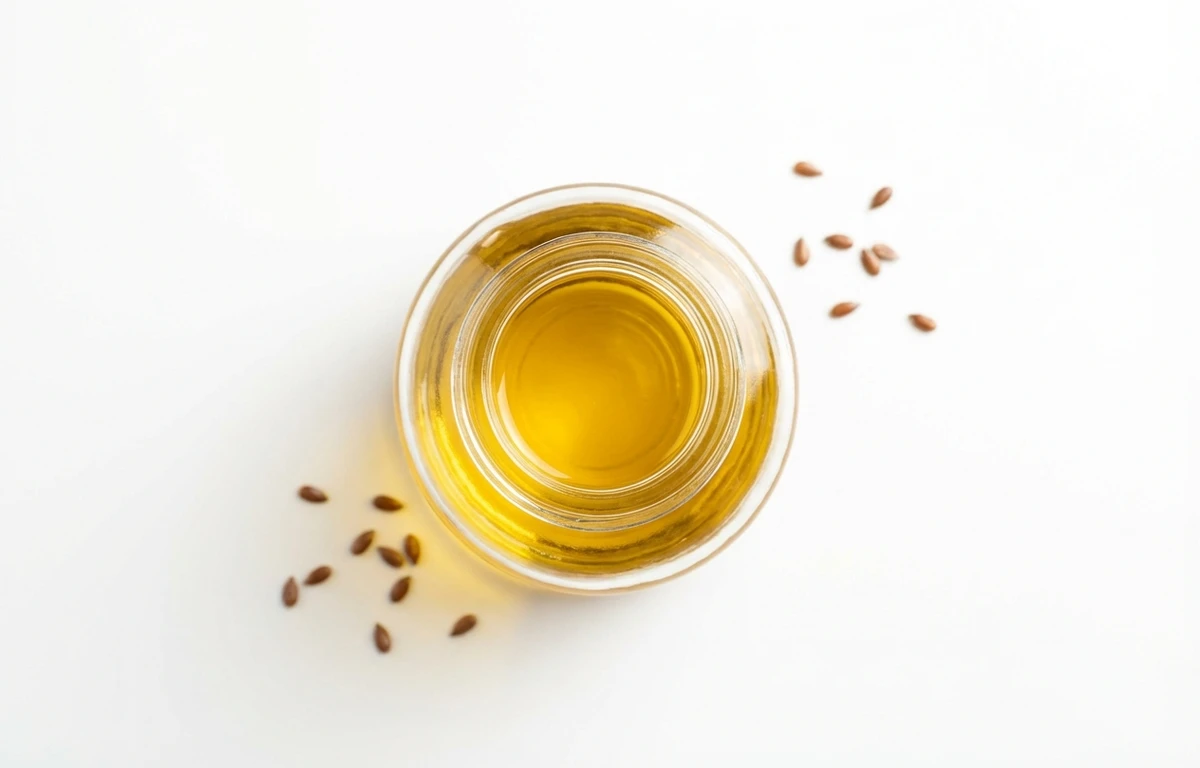
cold pressed flaxseed oil.
VegetarianVeganGluten-freeDairy-freeNut-freePeanut-freeSoy-freeEgg-freeShellfish-freeHoney-freeAlcohol-free
ALSO KNOWN AS
flaxseed oil
SERVING
CALORIES
884
PROTEIN
0.11g
CARBS
0g
FAT
100g
FIBER
0g
This ingredient is flagged as naturally gluten-free. Per 100 g, it provides 9.3 µg of vitamin K.
NUTRITION PROFILE · per 100 g
Everything in this ingredient.
MACRONUTRIENTS
Calories884kcal—
Protein0.11g0%
Carbohydrates0g0%
Fiber0g0%
Sugar0g0%
Total fat100g128%
Saturated fat9.0g45%
Trans fat0.09g—
Cholesterol0mg0%
Water0.12g—
MINERALS
Sodium0mg0%
Potassium0mg0%
Calcium1.0mg0%
Iron0mg0%
Magnesium0mg0%
Phosphorus1.0mg0%
Zinc0.07mg1%
Copper0mg0%
Manganese0mg0%
Selenium0µg0%
VITAMINS
Vitamin A0µg0%
Vitamin C0mg0%
Vitamin D0µg0%
Vitamin E0.47mg3%
Vitamin K9.3µg8%
Thiamin (B1)0mg0%
Riboflavin (B2)0mg0%
Niacin (B3)0mg0%
Vitamin B60mg0%
Folate (B9)0µg0%
Vitamin B120µg0%
%DV based on a 2,000 cal diet. Source: USDA FoodData Central. A dash in the %DV column means there’s no established Daily Value for that nutrient.
MEASUREMENT CONVERSIONS
How much is what.
1 cup218g
1 tablespoon13.6g
1 teaspoon4.5g
1 ml0.9g
1 liter906.7g
HEALTH BENEFITS
Why eat it.
- ✓Excellent source of plant-based omega-3 fatty acids (alpha-linolenic acid, ALA), which supports heart and brain health.
- ✓Can improve skin health by increasing hydration and smoothness.
- ✓May aid in digestive health by acting as a natural laxative and relieving constipation.
COOKING TIPS
In the kitchen.
- 1Never heat flaxseed oil. It has a very low smoke point which destroys its delicate nutrients and can create harmful compounds.
- 2Use as a finishing oil by drizzling over salads, cooked vegetables, oatmeal, or soups just before serving.
- 3Blend into smoothies, shakes, or mix into yogurt or cottage cheese to easily incorporate its health benefits without altering flavor significantly.
- 4Its nutty, slightly bitter flavor pairs well in vinaigrettes and dressings, but use it in combination with other oils to balance the taste.
STORAGE
Keep it fresh.
- Store in the refrigerator in its original dark, opaque bottle to protect it from heat, light, and oxygen, which cause rancidity.
- For best quality and nutritional value, consume within 4-6 weeks of opening.
FAQ
Frequently asked questions.
Can I cook or fry with flaxseed oil?
No, you should not use flaxseed oil for high-heat cooking or frying. It has a very low smoke point and can form harmful compounds and lose its nutritional value when heated; it is best used raw in dressings, smoothies, or drizzled over finished dishes.
Is flaxseed oil keto-friendly?
Yes, flaxseed oil is excellent for a keto diet as it contains zero carbohydrates and is nearly 100% fat. Its high omega-3 content makes it a high-quality fat source for those maintaining ketosis.
How should I store cold pressed flaxseed oil?
Flaxseed oil is highly sensitive to light, heat, and air, which can cause it to go rancid quickly. It should be stored in a dark glass bottle in the refrigerator to maintain its freshness and nutritional integrity.
Is flaxseed oil vegan and gluten-free?
Yes, cold pressed flaxseed oil is naturally vegan and gluten-free. It is a 100% plant-based product derived from flax seeds, making it a popular omega-3 alternative for those who do not consume fish oil.
What does cold pressed flaxseed oil taste like?
It has a mild, slightly nutty, and earthy flavor. If the oil tastes overly bitter or has a strong, unpleasant odor, it has likely gone rancid and should be discarded.
How long does flaxseed oil last once opened?
Once opened, flaxseed oil typically lasts about 4 to 6 weeks if kept refrigerated. Always check the 'best by' date and smell the oil before use to ensure it hasn't oxidized.
Can I use flaxseed oil for skin care?
Yes, flaxseed oil can be applied topically or consumed to improve skin health. Its high fatty acid content helps increase skin hydration and smoothness, and may help reduce skin irritation or redness.
How much flaxseed oil should I consume daily?
A common recommendation is 1 to 2 tablespoons per day to meet omega-3 requirements. However, because it is calorie-dense (about 120 calories per tablespoon), it should be balanced within your total daily caloric intake.



















