
Spice
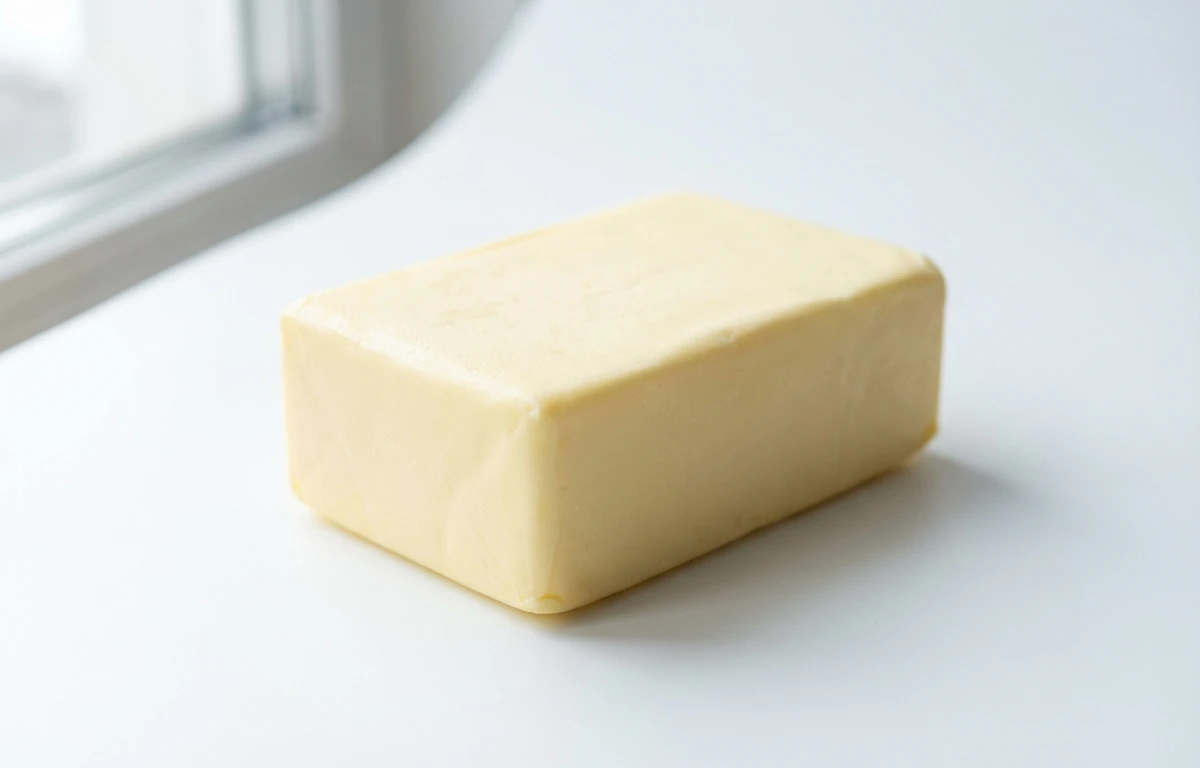
cold unsalted butter.
VegetarianVeganGluten-freeDairy-freeNut-freePeanut-freeSoy-freeEgg-freeShellfish-freeHoney-freeAlcohol-free
ALSO KNOWN AS
cold unsalted makkhanchilled unsalted buttercold sweet cream butter
SERVING
CALORIES
717
PROTEIN
0.85g
CARBS
0.06g
FAT
81.1g
FIBER
0g
NUTRITION PROFILE · per 100 g
Everything in this ingredient.
MACRONUTRIENTS
Calories717kcal—
Protein0.85g2%
Carbohydrates0.06g0%
Fiber0g0%
Sugar0.06g0%
Total fat81.1g104%
Saturated fat51.4g257%
Trans fat3.3g—
Cholesterol215mg72%
Water15.9g—
MINERALS
Sodium11mg0%
Potassium24mg1%
Calcium24mg2%
Iron0.02mg0%
Magnesium2.0mg0%
Phosphorus24mg2%
Zinc0.09mg1%
Copper0mg0%
Manganese0mg0%
Selenium1.0µg2%
VITAMINS
Vitamin A684µg76%
Vitamin C0mg0%
Vitamin D1.5µg8%
Vitamin E2.3mg15%
Vitamin K7.0µg6%
Thiamin (B1)0.01mg1%
Riboflavin (B2)0.03mg2%
Niacin (B3)0.04mg0%
Pantothenic acid (B5)0.11mg2%
Vitamin B60mg0%
Folate (B9)3.0µg1%
Vitamin B120.17µg7%
%DV based on a 2,000 cal diet. Source: USDA FoodData Central. A dash in the %DV column means there’s no established Daily Value for that nutrient.
MEASUREMENT CONVERSIONS
How much is what.
1 cup227g
1 tablespoon14.2g
1 teaspoon4.7g
1 oz28.4g
1 lb453.6g
1 liter911g
1 piece113g
HEALTH BENEFITS
Why eat it.
- ✓Rich source of fat-soluble vitamins A, D, E, and K
- ✓Contains Butyrate which supports digestive health
- ✓Provides Conjugated Linoleic Acid (CLA) which may have anti-inflammatory properties
- ✓High energy density for quick caloric needs
- ✓Contains Lecithin which aids in cholesterol metabolism
COOKING TIPS
In the kitchen.
- 1Keep butter cold until the last moment for flaky pie crusts and biscuits
- 2Cube the cold butter before adding to flour to ensure even distribution
- 3Use a pastry cutter or two knives to 'cut in' the butter to avoid melting it with hand heat
STORAGE
Keep it fresh.
- Keep refrigerated at or below 4°C (40°F) in its original wrapper
- Store away from strong-smelling foods like onions as butter absorbs odors easily
- Can be frozen for up to 9 months if wrapped in airtight foil or plastic
FAQ
Frequently asked questions.
Why must the butter be cold for pastry?
Cold butter creates small pockets of fat in the dough. When baked, the water in the butter evaporates, creating steam that lifts the dough layers, resulting in a flaky texture.
How long does cold unsalted butter last in the fridge?
Unsalted butter typically lasts 2-3 weeks in the refrigerator. Because it lacks salt (a preservative), it has a shorter shelf life than salted butter.
Can I substitute salted butter for cold unsalted butter?
Yes, but you should reduce the added salt in the recipe by about 1/4 teaspoon per half-cup (113g) of butter used.
How do I know if the butter has gone bad?
Spoiled butter will have a sour or rancid smell, a pale or discolored appearance, and a sharp, unpleasant taste.
What is the best way to cube cold butter?
Use a sharp, cold knife to slice the stick lengthwise into four quarters, then cut across the strips to create small, even cubes.
Can I freeze cold unsalted butter?
Yes, butter freezes very well. Wrap it in an extra layer of foil or a freezer bag to prevent freezer burn and odor absorption.
What can I use as a vegan substitute for cold butter in baking?
Cold vegan butter sticks or solid coconut oil (chilled until firm) are the best substitutes for maintaining a flaky texture.
Why choose unsalted butter over salted for baking?
Unsalted butter allows the baker complete control over the salt content and is generally fresher because salt is often added to extend shelf life.
How do I keep butter cold while working with it?
Chill your mixing bowl and flour beforehand, and if the dough feels warm, refrigerate it for 15-30 minutes before continuing.



















