Other10 recipes
colocasia root.
VegetarianVeganGluten-freeDairy-freeNut-freePeanut-freeSoy-freeEgg-freeShellfish-freeHoney-freeAlcohol-freeHalalKosher
ALSO KNOWN AS
arbitaro rootarvieddoedasheentaro
SERVING
CALORIES
116
PROTEIN
1.5g
CARBS
27.5g
FAT
0.20g
FIBER
4.1g
NUTRITION PROFILE · per 100 g
Everything in this ingredient.
MACRONUTRIENTS
Calories116kcal—
Protein1.5g3%
Carbohydrates27.5g10%
Fiber4.1g15%
Sugar0.49g1%
Total fat0.20g0%
Saturated fat0.04g0%
Cholesterol0mg0%
MINERALS
Sodium10mg0%
Potassium484mg10%
Calcium18mg1%
Iron0.72mg4%
Magnesium30mg7%
Phosphorus76mg6%
Zinc0.23mg2%
Copper0.17mg19%
Manganese0.28mg12%
Selenium0.70µg1%
VITAMINS
Vitamin A1.0µg0%
Vitamin C4.5mg5%
Vitamin D0µg0%
Vitamin E2.4mg16%
Vitamin K1.0µg1%
Thiamin (B1)0.09mg8%
Riboflavin (B2)0.03mg2%
Niacin (B3)0.56mg4%
Pantothenic acid (B5)0.34mg7%
Vitamin B60.28mg16%
Folate (B9)19µg5%
Vitamin B120µg0%
%DV based on a 2,000 cal diet. Source: USDA FoodData Central. A dash in the %DV column means there’s no established Daily Value for that nutrient.
MEASUREMENT CONVERSIONS
How much is what.
1 cup132g
1 tablespoon8.3g
1 teaspoon2.8g
1 ml0.6g
1 liter550g
HEALTH BENEFITS
Why eat it.
- ✓Rich in fiber and resistant starch, which can aid in blood sugar management and promote gut health.
- ✓Good source of essential minerals like manganese, potassium, and copper, as well as vitamins C, B6, and E.
- ✓Contains antioxidants such as quercetin that help protect the body against cellular damage from free radicals.
- ✓Its high fiber content promotes satiety, which can help with weight management.
COOKING TIPS
In the kitchen.
- 1Crucially, always cook colocasia root thoroughly before consumption. It contains calcium oxalate crystals which are toxic when raw and can cause severe throat and mouth irritation.
- 2Wear gloves when peeling and handling raw colocasia to prevent potential skin irritation.
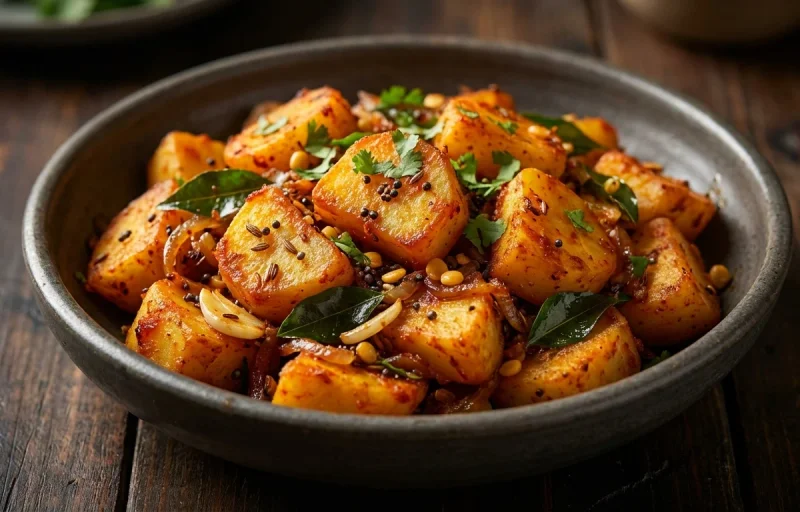
- 3It can be boiled, steamed, roasted, or fried. It has a nutty flavor and is a great substitute for potatoes in curries, stews, and chips.
- 4Boiling the root with the skin on for 10-15 minutes can make it much easier to peel.
STORAGE
Keep it fresh.
- Store unwashed colocasia roots in a cool, dark, and well-ventilated place for up to one week.
- Do not refrigerate raw colocasia root, as the cold temperature can negatively affect its texture and cause it to spoil faster.
FAQ
Frequently asked questions.
Is colocasia root healthy?
Yes, colocasia root is highly nutritious, providing significant amounts of fiber, vitamins C, B6, and E, and minerals like potassium and manganese. Its antioxidants and resistant starch support gut health and help protect against cellular damage.
Is colocasia root good for weight loss?
With 116 calories per 100g and a high fiber content, it promotes a feeling of fullness or satiety. This can help reduce overall calorie intake, making it a helpful addition to a weight management plan when consumed in moderation.
Can diabetics eat colocasia root?
Yes, in moderation. It contains resistant starch and fiber, which slow down the digestion of carbohydrates, preventing sharp spikes in blood sugar levels compared to other high-carb starchy vegetables.
Is colocasia root gluten-free?
Yes, colocasia root is naturally gluten-free. It is an excellent starchy alternative for individuals with celiac disease or gluten sensitivity and can even be ground into a gluten-free flour.
Is colocasia root keto-friendly?
No, it is generally not considered keto-friendly. With approximately 27.5g of carbohydrates per 100g, it is too high in carbs for a strict ketogenic diet, though it fits well into balanced, whole-food diets.
Can I eat colocasia root raw?
No, you should never eat colocasia root raw. It contains calcium oxalate crystals that can cause severe irritation and a stinging sensation in the mouth and throat; cooking or soaking the root thoroughly neutralizes these compounds.
What does colocasia root taste like?
It has a mild, nutty, and slightly sweet flavor with a texture similar to a potato but significantly creamier when cooked. It easily absorbs the flavors of spices and sauces, making it versatile for various cuisines.
How do you prepare colocasia root for cooking?
Peel the hairy outer skin, preferably while wearing gloves to avoid skin irritation. Once peeled, it can be boiled, roasted, fried, or steamed, and is commonly used in stews, curries, or as a mash.
How should I store colocasia root?
Store it in a cool, dark, and well-ventilated place, similar to how you would store potatoes. Avoid refrigerating raw colocasia, as the cold temperature can negatively affect its texture and flavor.
Why does peeling colocasia root make my hands itchy?
The raw root contains calcium oxalate crystals which can irritate the skin. To prevent itchiness, wear gloves while peeling or coat your hands in a little oil or vinegar before handling the raw vegetable.
RECIPES
Cook with colocasia root.
10 recipes · sorted by what’s quick