
Loading...
Per 100g
Nutrition data source: USDA FoodData Central
Common measurement equivalents in grams
Agave nectar has a long shelf life and typically lasts for 1 to 2 years when stored in a cool, dark place.
No, agave nectar is shelf-stable and does not need to be refrigerated, though it won't hurt the product if you do.
Yes, agave is an excellent 1:1 substitute for honey, especially in vegan cooking, though it is slightly thinner in consistency.
While it has a lower glycemic index than sugar, it is very high in fructose. Diabetics should consult a doctor and use it in moderation.
No, agave nectar is highly resistant to crystallization and remains liquid even after long periods of storage.
Light agave has a mild, neutral flavor, while dark agave is less filtered and has a stronger, caramel-like taste.
Yes, agave dissolves much more easily in cold liquids than honey or granulated sugar, making it ideal for iced tea or cocktails.
Most commercial agave is 'cooked' or thermally processed to break down starches into sugars, though some brands offer 'raw' versions processed at lower temperatures.
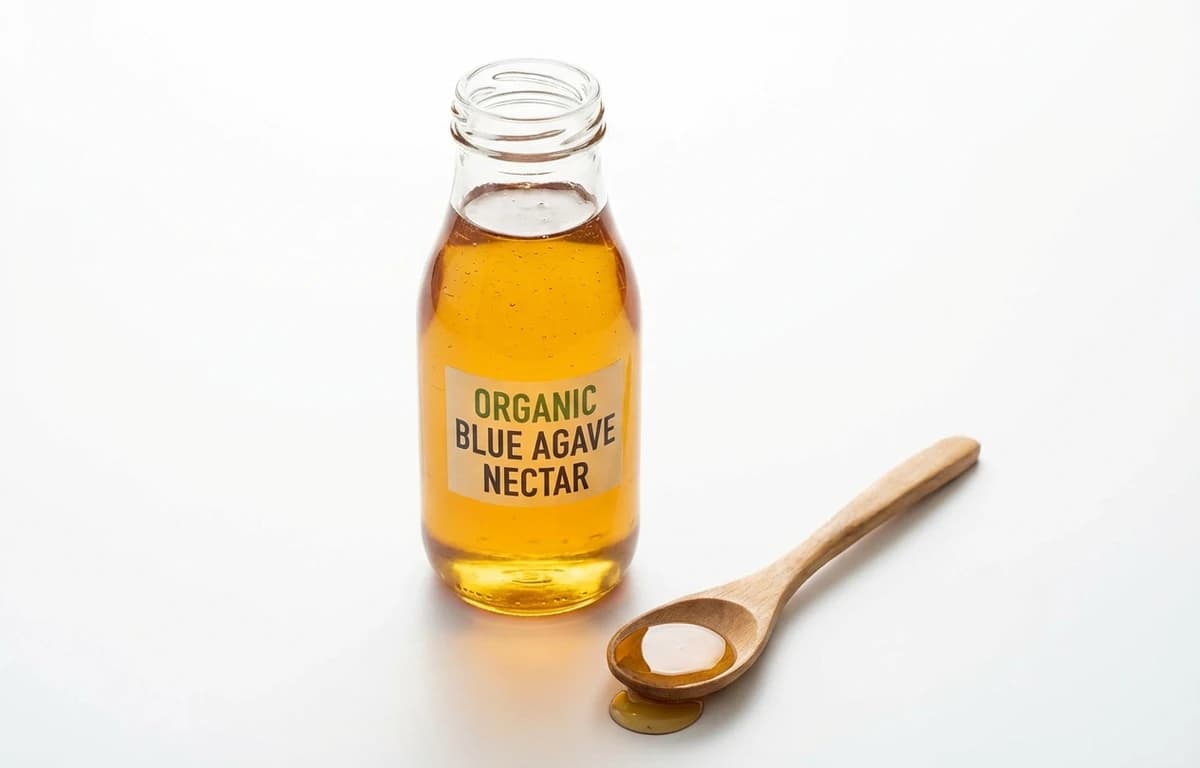
cooked agave is a versatile ingredient found in cuisines around the world. With 310 calories per 100g and 0.1 grams of protein, it's a nutritious addition to many dishes.
Explore more ingredients in the sweetener category with complete nutrition information.
View all sweetener →Discover 0 recipes featuring cooked agave with step-by-step instructions.
Browse recipes →