
Grain
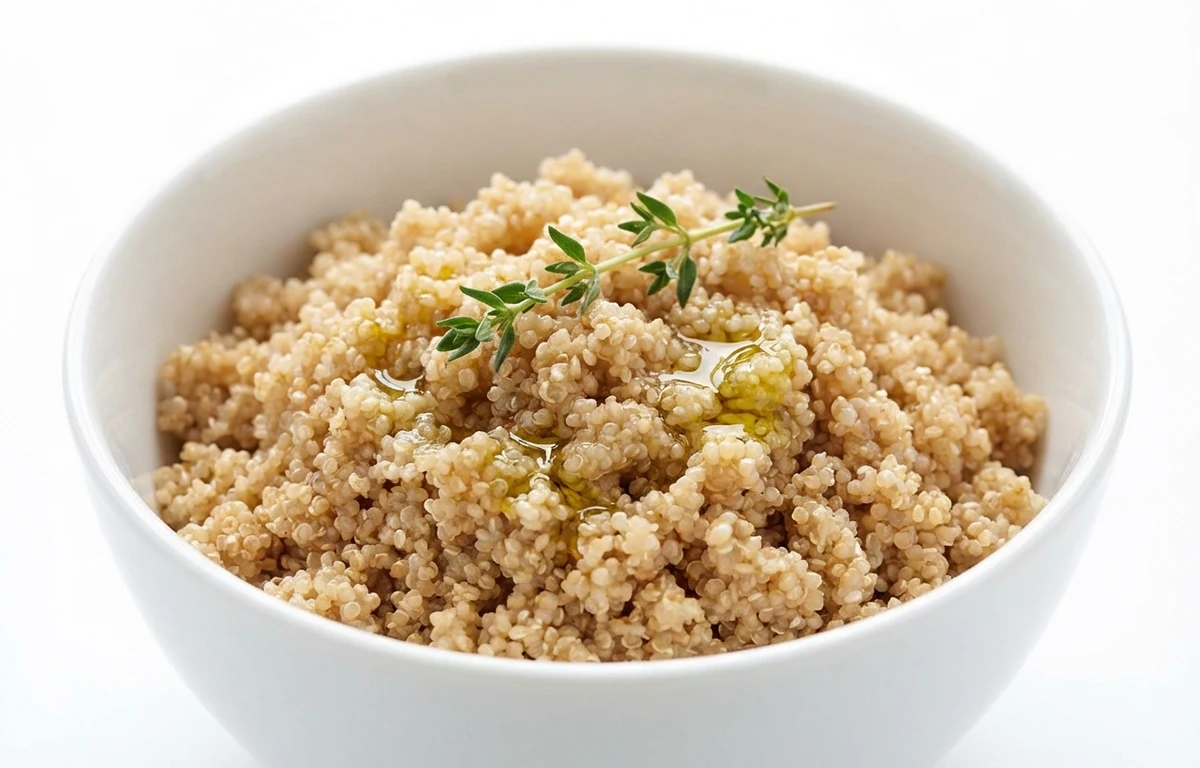
cooked amaranth grain.
VegetarianVeganGluten-freeDairy-freeNut-freePeanut-freeSoy-freeEgg-freeShellfish-freeHoney-freeAlcohol-freeWhole grain
ALSO KNOWN AS
cooked amaranthcooked rajgira
SERVING
CALORIES
102
PROTEIN
3.8g
CARBS
18.7g
FAT
1.6g
FIBER
2.1g
NUTRITION PROFILE · per 100 g
Everything in this ingredient.
MACRONUTRIENTS
Calories102kcal—
Protein3.8g8%
Carbohydrates18.7g7%
Fiber2.1g8%
Sugar0g0%
Total fat1.6g2%
Saturated fat0.40g2%
Trans fat0g—
Cholesterol0mg0%
Water75.2g—
MINERALS
Sodium6.0mg0%
Potassium135mg3%
Calcium47mg4%
Iron2.1mg12%
Magnesium65mg15%
Phosphorus148mg12%
Zinc0.90mg8%
Copper0.16mg18%
Manganese0.90mg39%
Selenium1.1µg2%
VITAMINS
Vitamin A0µg0%
Vitamin C0mg0%
Vitamin D0µg0%
Vitamin E0.19mg1%
Vitamin K0µg0%
Thiamin (B1)0.02mg2%
Riboflavin (B2)0.02mg2%
Niacin (B3)0.24mg2%
Pantothenic acid (B5)0.06mg1%
Vitamin B60.11mg6%
Folate (B9)22µg6%
Vitamin B120µg0%
%DV based on a 2,000 cal diet. Source: USDA FoodData Central. A dash in the %DV column means there’s no established Daily Value for that nutrient.
MEASUREMENT CONVERSIONS
How much is what.
1 cup246g
1 tablespoon15.4g
1 teaspoon5.1g
1 ml1g
1 liter1025.3g
HEALTH BENEFITS
Why eat it.
- ✓Provides complete protein, containing all nine essential amino acids necessary for muscle repair and growth.
- ✓High in dietary fiber, which supports digestive health, promotes satiety, and helps stabilize blood sugar levels.
- ✓Excellent source of manganese, magnesium, and phosphorus, minerals crucial for bone health, energy metabolism, and cellular function.
- ✓Naturally gluten-free, making it a suitable grain alternative for individuals with celiac disease or gluten sensitivity.
COOKING TIPS
In the kitchen.
- 1Use a 1:2.5 ratio of amaranth to liquid (e.g., 1 cup amaranth to 2.5 cups water or broth). Bring to a boil, then reduce heat, cover, and simmer for 20-25 minutes until the liquid is absorbed.
- 2The final texture is typically creamy and porridge-like. For a slightly firmer texture, use less water and a shorter cooking time.
- 3Use cooked amaranth as a hot breakfast cereal, a base for grain bowls, a thickener for soups and stews, or mix it with other grains for added texture and nutrition.
STORAGE
Keep it fresh.
- Store cooked amaranth in an airtight container in the refrigerator for up to 5 days.
- For longer storage, freeze cooked amaranth in portion-sized, freezer-safe containers or bags for up to 6 months.
FAQ
Frequently asked questions.
Is cooked amaranth healthy?
Yes, cooked amaranth is highly nutritious. It is a complete protein source containing all nine essential amino acids and is rich in minerals like manganese and magnesium, which support bone health and energy metabolism.
How much protein is in cooked amaranth?
100g of cooked amaranth provides approximately 3.8g of protein. Unlike many other grains, it is a complete protein, making it an excellent choice for vegetarians and vegans looking to support muscle repair and growth.
Is amaranth gluten-free?
Yes, amaranth is naturally gluten-free. This makes it a safe and nutritious grain alternative for individuals with celiac disease or non-celiac gluten sensitivity.
How do you cook amaranth grain?
To cook amaranth, use a ratio of 1 cup of grain to 2.5 or 3 cups of water. Bring to a boil, then simmer for about 15 to 20 minutes until the water is absorbed; it will result in a texture similar to a thick porridge.
What does cooked amaranth taste like?
Cooked amaranth has a mild, nutty, and slightly earthy flavor. Its texture is unique—creamy yet slightly crunchy, similar to a thick porridge or polenta when fully cooked.
Is amaranth good for weight loss?
Yes, amaranth can support weight loss because it is high in dietary fiber and protein. These nutrients promote satiety, helping you feel full longer and helping to stabilize blood sugar levels.
How long does cooked amaranth last in the fridge?
Cooked amaranth can be stored in an airtight container in the refrigerator for up to 3 to 5 days. Ensure it has cooled completely before sealing to prevent excess moisture buildup and spoilage.
Can you freeze cooked amaranth?
Yes, cooked amaranth freezes well. Store it in freezer-safe bags or containers for up to 6 months; thawing it in the fridge overnight before reheating is recommended for the best texture.
Is amaranth keto-friendly?
Amaranth is generally not considered keto-friendly as it contains about 18.7g of carbohydrates per 100g. While it is a healthy complex carbohydrate, it may exceed the daily carb limits for a strict ketogenic diet.
What are the main minerals found in amaranth?
Amaranth is an excellent source of manganese, magnesium, and phosphorus. These minerals are essential for maintaining strong bones, supporting cellular function, and assisting in energy metabolism.



















