
Seafood
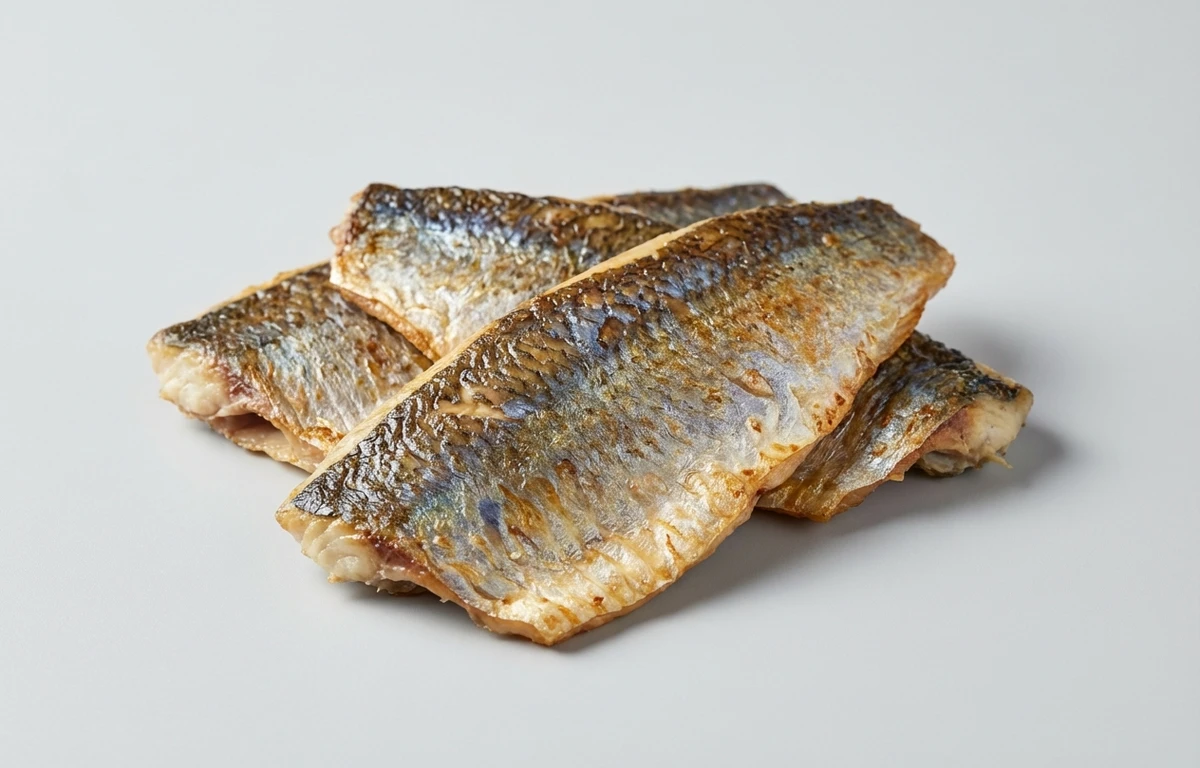
cooked atlantic herring.
VegetarianVeganGluten-freeDairy-freeNut-freePeanut-freeSoy-freeEgg-freeShellfish-freeHoney-freeAlcohol-free
SERVING
CALORIES
203
PROTEIN
23g
CARBS
0g
FAT
11.6g
FIBER
0g
NUTRITION PROFILE · per 100 g
Everything in this ingredient.
MACRONUTRIENTS
Calories203kcal—
Protein23g46%
Carbohydrates0g0%
Fiber0g0%
Sugar0g0%
Total fat11.6g15%
Saturated fat2.6g13%
Trans fat0g—
Cholesterol77mg26%
Water63.5g—
MINERALS
Sodium115mg5%
Potassium419mg9%
Calcium74mg6%
Iron1.5mg8%
Magnesium41mg10%
Phosphorus303mg24%
Zinc1.2mg11%
Copper0.10mg11%
Manganese0.05mg2%
Selenium46.8µg85%
VITAMINS
Vitamin A31µg3%
Vitamin C0mg0%
Vitamin D11.3µg57%
Vitamin E1.1mg7%
Vitamin K0.10µg0%
Thiamin (B1)0.10mg8%
Riboflavin (B2)0.30mg23%
Niacin (B3)4.3mg27%
Pantothenic acid (B5)0.60mg12%
Vitamin B60.40mg24%
Folate (B9)10µg3%
Vitamin B1218.7µg779%
%DV based on a 2,000 cal diet. Source: USDA FoodData Central. A dash in the %DV column means there’s no established Daily Value for that nutrient.
MEASUREMENT CONVERSIONS
How much is what.
1 cup150g
1 oz28.4g
1 lb453.6g
1 piece90g
HEALTH BENEFITS
Why eat it.
- ✓Extremely high in Omega-3 fatty acids for heart and brain health
- ✓Excellent source of Vitamin B12 for nerve function
- ✓Natural source of Vitamin D for bone health
- ✓High in Selenium which acts as a powerful antioxidant
- ✓Rich in high-quality protein for muscle repair
COOKING TIPS
In the kitchen.
- 1Avoid overcooking as herring has a high fat content and can become oily if over-heated
- 2Pairs excellently with acidic ingredients like lemon, vinegar, or sour cream to balance the richness
- 3Grilling or pan-searing are the best methods to maintain the delicate flake of the fish
STORAGE
Keep it fresh.
- Store cooked herring in an airtight container in the refrigerator for up to 3 days
- Can be frozen for up to 2 months, though texture may become slightly softer
- Keep away from strong-smelling foods as fish can absorb odors
FAQ
Frequently asked questions.
How long does cooked Atlantic herring last in the fridge?
Cooked Atlantic herring should be consumed within 3 to 4 days when stored in an airtight container in the refrigerator.
Can you freeze cooked herring?
Yes, you can freeze it for up to 2-3 months. Wrap it tightly in plastic wrap and then place it in a freezer bag to prevent freezer burn.
What is a good substitute for Atlantic herring?
Mackerel or sardines are the best substitutes as they have a similar oily texture and strong flavor profile.
Is herring high in mercury?
No, herring is considered a low-mercury fish because it is lower on the food chain, making it a safer choice for frequent consumption.
How do you know if cooked herring has gone bad?
Discard the fish if it has a sour or ammonia-like smell, a slimy texture, or visible discoloration.
Does herring contain bones?
Herring has many small, fine bones. While many are softened during certain cooking or pickling processes, they should be carefully removed if the fish is just simply cooked.
Is Atlantic herring sustainable?
Generally, Atlantic herring is considered a sustainable seafood choice, but it is always best to check current MSC (Marine Stewardship Council) ratings for specific regions.
What are the best flavor pairings for herring?
It pairs well with dill, red onions, mustard, potatoes, rye bread, and acidic elements like capers or pickles.



















