
Seafood
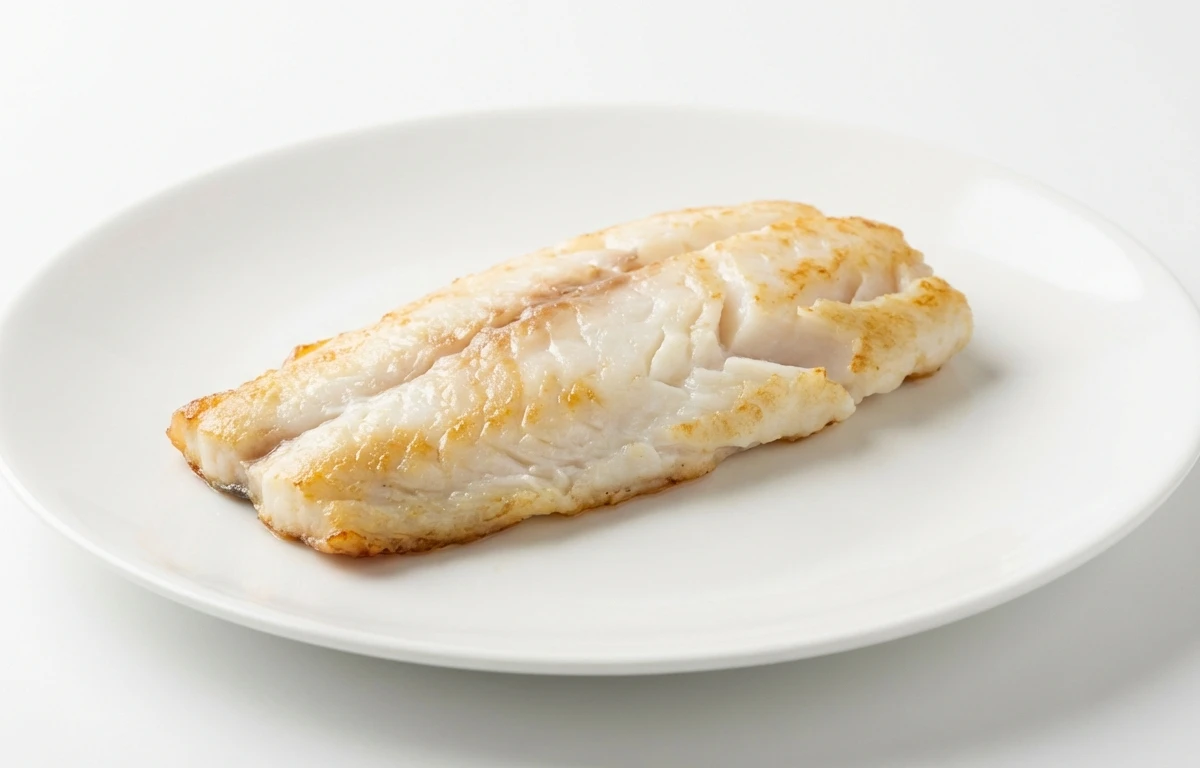
cooked atlantic pollock.
VegetarianVeganGluten-freeDairy-freeNut-freePeanut-freeSoy-freeEgg-freeShellfish-freeHoney-freeAlcohol-free
ALSO KNOWN AS
atlantic pollockPollockSaitheBoston BluefishCoalfish
SERVING
CALORIES
118
PROTEIN
24.9g
CARBS
0g
FAT
1.2g
FIBER
0g
NUTRITION PROFILE · per 100 g
Everything in this ingredient.
MACRONUTRIENTS
Calories118kcal—
Protein24.9g50%
Carbohydrates0g0%
Fiber0g0%
Sugar0g0%
Total fat1.2g2%
Saturated fat0.20g1%
Trans fat0g—
Cholesterol86mg29%
Water72.5g—
MINERALS
Sodium108mg5%
Potassium456mg10%
Calcium15mg1%
Iron0.50mg3%
Magnesium35mg8%
Phosphorus284mg23%
Zinc0.50mg5%
Copper0.03mg3%
Manganese0.01mg0%
Selenium46.8µg85%
VITAMINS
Vitamin A15µg2%
Vitamin C0mg0%
Vitamin D1.2µg6%
Vitamin E0.50mg3%
Vitamin K0.10µg0%
Thiamin (B1)0.05mg4%
Riboflavin (B2)0.18mg14%
Niacin (B3)4.5mg28%
Pantothenic acid (B5)0.20mg4%
Vitamin B60.30mg18%
Folate (B9)5.0µg1%
Vitamin B123.2µg133%
%DV based on a 2,000 cal diet. Source: USDA FoodData Central. A dash in the %DV column means there’s no established Daily Value for that nutrient.
MEASUREMENT CONVERSIONS
How much is what.
1 cup248.5g
1 tablespoon15.8g
1 teaspoon5.3g
1 oz28.4g
1 lb453.6g
1 ml1.1g
1 liter1050g
1 piece150g
HEALTH BENEFITS
Why eat it.
- ✓High-quality lean protein source for muscle maintenance
- ✓Rich in Vitamin B12 which supports nerve function and red blood cells
- ✓Excellent source of Selenium, a powerful antioxidant
- ✓Low in saturated fat, making it heart-healthy
- ✓Provides essential Omega-3 fatty acids for brain health
COOKING TIPS
In the kitchen.
- 1Avoid overcooking as the lean flesh can become dry and tough quickly.
- 2Use gentle heat methods like poaching or steaming to retain moisture.
- 3Flake the cooked fish into salads, tacos, or pasta for an easy protein addition.
STORAGE
Keep it fresh.
- Store in an airtight container in the refrigerator for up to 3-4 days.
- Freeze in moisture-proof wrap or airtight containers for up to 3 months.
- Keep at the coldest part of the refrigerator, typically the bottom shelf.
FAQ
Frequently asked questions.
How long does cooked Atlantic pollock last in the fridge?
When stored in an airtight container, it remains safe and fresh for 3 to 4 days.
Can I freeze cooked pollock?
Yes, you can freeze it for up to 3 months. Thaw it in the refrigerator overnight before reheating.
What are the best substitutes for Atlantic pollock?
Cod, haddock, and hake are the best alternatives as they have similar mild flavor and flaky texture.
Is Atlantic pollock high in mercury?
No, Atlantic pollock is considered a low-mercury fish and is generally safe for regular consumption.
How do I know if the cooked fish has gone bad?
Discard the fish if it has a sour or ammonia-like smell, a slimy texture, or visible discoloration.
What is the best way to reheat cooked pollock?
Reheat gently in a pan over low heat with a splash of water or broth, or in the oven at 275°F (135°C) covered with foil.
Is pollock good for weight loss?
Yes, it is very high in protein and low in calories and fat, making it an excellent choice for weight management.
Can I eat the skin of the pollock?
Yes, the skin is edible and contains nutrients, though it is often removed after cooking for texture preference.
How do I prevent the fish from falling apart when reheating?
Handle it as little as possible and avoid high-intensity microwave settings which can cause the flakes to explode or dry out.
Is Atlantic pollock the same as Alaskan pollock?
They are different species. Atlantic pollock (Pollachius virens) is generally larger and has slightly darker, oilier flesh than Alaskan pollock.



















