prepared1 recipes
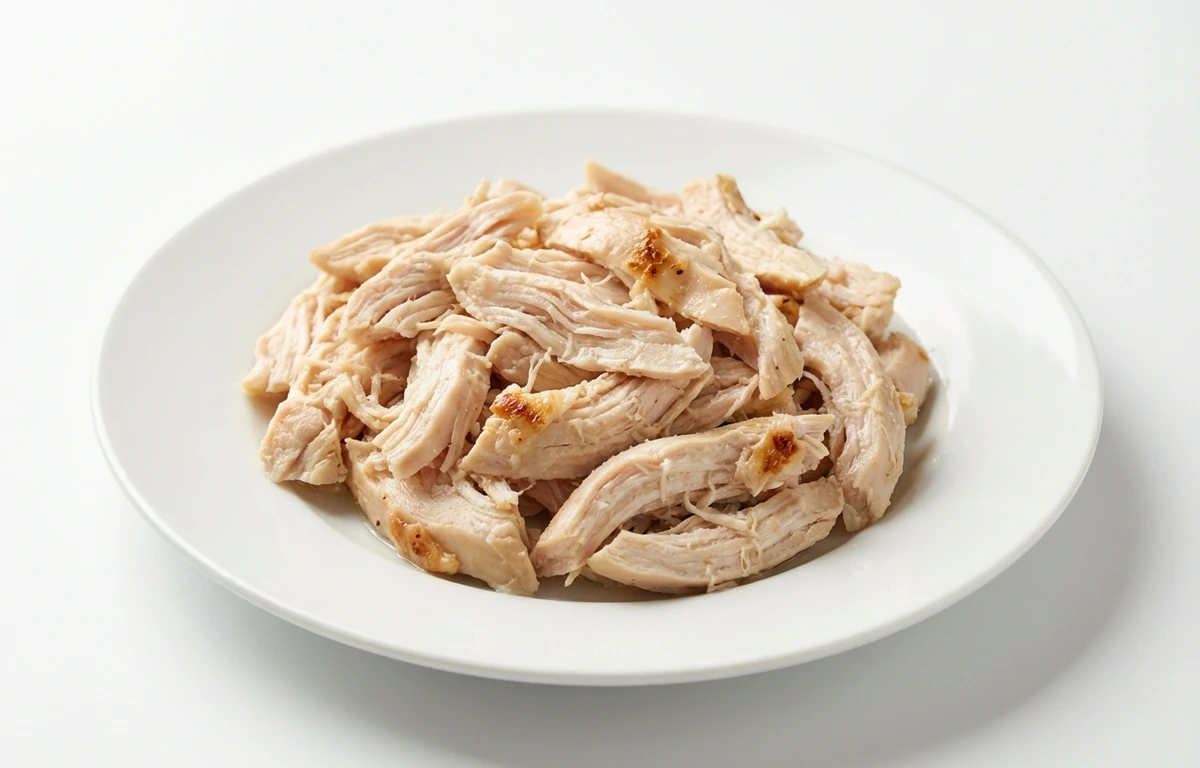
Cooked Chicken Bajra Khichdi.
VegetarianVeganGluten-freeDairy-freeNut-freePeanut-freeSoy-freeEgg-freeShellfish-freeHoney-freeAlcohol-freeWhole grain
SERVING
CALORIES
150
PROTEIN
10.5g
CARBS
18g
FAT
4.5g
FIBER
3.0g
NUTRITION PROFILE · per 100 g
Everything in this ingredient.
MACRONUTRIENTS
Calories150kcal—
Protein10.5g21%
Carbohydrates18g7%
Fiber3.0g11%
Sugar0.50g1%
Total fat4.5g6%
Saturated fat1.5g8%
Cholesterol25mg8%
Water65g—
MINERALS
Sodium250mg11%
Potassium180mg4%
Calcium20mg2%
Iron1.5mg8%
Magnesium45mg11%
Phosphorus120mg10%
Zinc1.0mg9%
Copper0.15mg17%
Manganese0.30mg13%
Selenium10µg18%
VITAMINS
Vitamin A10µg1%
Vitamin C1.0mg1%
Vitamin D0.10µg1%
Vitamin E0.50mg3%
Vitamin K5.0µg4%
Thiamin (B1)0.10mg8%
Riboflavin (B2)0.10mg8%
Niacin (B3)3.0mg19%
Pantothenic acid (B5)0.50mg10%
Vitamin B60.20mg12%
Folate (B9)20µg5%
Vitamin B120.20µg8%
%DV based on a 2,000 cal diet. Source: USDA FoodData Central. A dash in the %DV column means there’s no established Daily Value for that nutrient.
MEASUREMENT CONVERSIONS
How much is what.
1 cup252g
1 tablespoon15.8g
1 teaspoon5.3g
1 oz28.4g
1 lb453.6g
1 ml95.2g
HEALTH BENEFITS
Why eat it.
- ✓Excellent source of complete protein for muscle repair and growth.
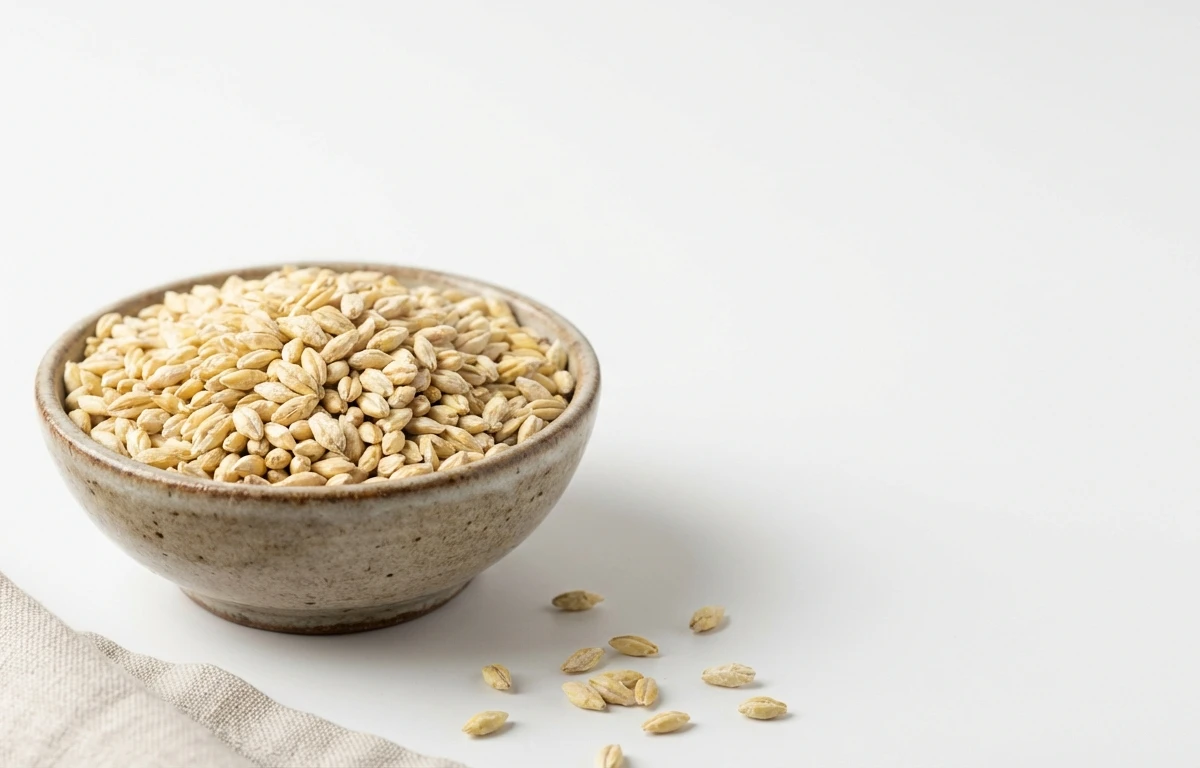
- ✓Rich in dietary fiber from bajra, aiding digestion and gut health.
- ✓Provides sustained energy due to complex carbohydrates from whole grain bajra.
- ✓Good source of essential minerals like iron, magnesium, and phosphorus.
- ✓Gluten-free, suitable for individuals with gluten sensitivity.
COOKING TIPS
In the kitchen.
- 1Ensure chicken is thoroughly cooked to an internal temperature of 165°F (74°C).
- 2Adjust the consistency by adding more water or broth during cooking for a softer khichdi.
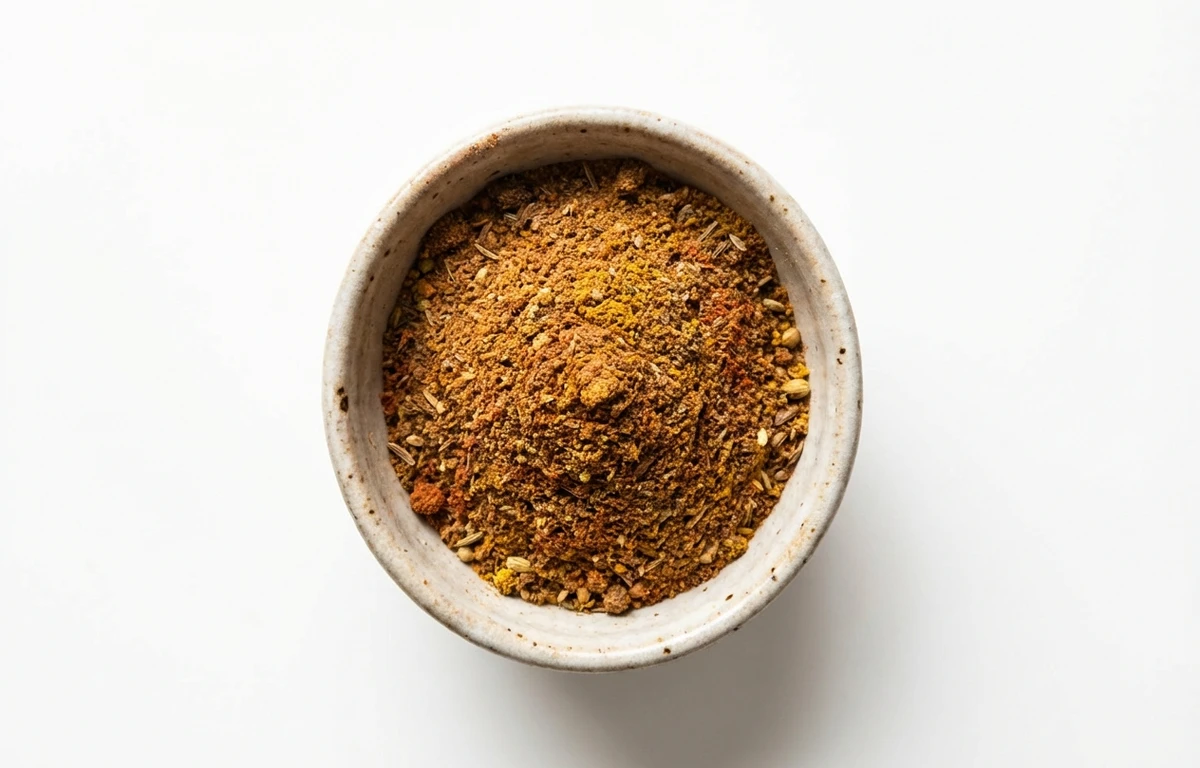
- 3Sautéing spices like cumin, ginger, and garlic before adding bajra and chicken enhances flavor.
STORAGE
Keep it fresh.
- Store leftover khichdi in an airtight container in the refrigerator for up to 2-3 days.
- Allow to cool completely before refrigerating to prevent bacterial growth.
- Can be frozen in individual portions for longer storage (up to 1 month); thaw overnight in the fridge before reheating.
FAQ
Frequently asked questions.
Is Chicken Bajra Khichdi healthy?
Yes, it is a highly nutritious and balanced meal. It combines lean protein from chicken with fiber-rich bajra (pearl millet), providing essential minerals like iron and magnesium while remaining relatively low in calories.
How much protein and calories are in Chicken Bajra Khichdi?
A 100g serving contains approximately 150 calories and 10.5g of protein. It also provides 18g of carbohydrates and 4.5g of fat, making it an excellent source of complete protein for muscle repair.
Is Chicken Bajra Khichdi good for weight loss?
Yes, it can be very effective for weight management. The high dietary fiber from the bajra and the protein from the chicken promote satiety, helping you feel full for longer and reducing overall calorie intake.
Is this dish gluten-free?
Yes, Chicken Bajra Khichdi is naturally gluten-free. Bajra is a millet that does not contain gluten, making this an ideal meal for individuals with celiac disease or gluten sensitivities.
Can diabetics eat Chicken Bajra Khichdi?
Yes, it is generally suitable for diabetics. Bajra has a lower glycemic index compared to white rice, and its high fiber content helps regulate blood sugar levels by slowing down glucose absorption.
What does Chicken Bajra Khichdi taste like?
It has a hearty, earthy, and slightly nutty flavor due to the bajra. The texture is thick and porridge-like, infused with savory notes from the chicken and traditional spices like cumin and turmeric.
How do you store leftover Chicken Bajra Khichdi?
Store leftovers in an airtight container in the refrigerator for up to 2-3 days. Because bajra absorbs liquid over time, you may need to add a little water or broth when reheating to restore its consistency.
Can I freeze Chicken Bajra Khichdi?
Yes, you can freeze it in freezer-safe containers for up to 2 months. Thaw it in the refrigerator overnight before reheating thoroughly on the stovetop or in the microwave.
Why is bajra used instead of rice in this recipe?
Bajra is used as a nutrient-dense alternative to rice because it contains more fiber, protein, and essential minerals like phosphorus and magnesium. It also provides more sustained energy due to its complex carbohydrates.
What are the best accompaniments for this dish?
While it is a complete meal on its own, it pairs excellently with a dollop of plain yogurt, a fresh green salad, or a light vegetable pickle to balance the earthy flavors of the millet.
RECIPES
Cook with cooked chicken bajra khichdi.
1 recipes · sorted by what’s quick