meat6 recipes
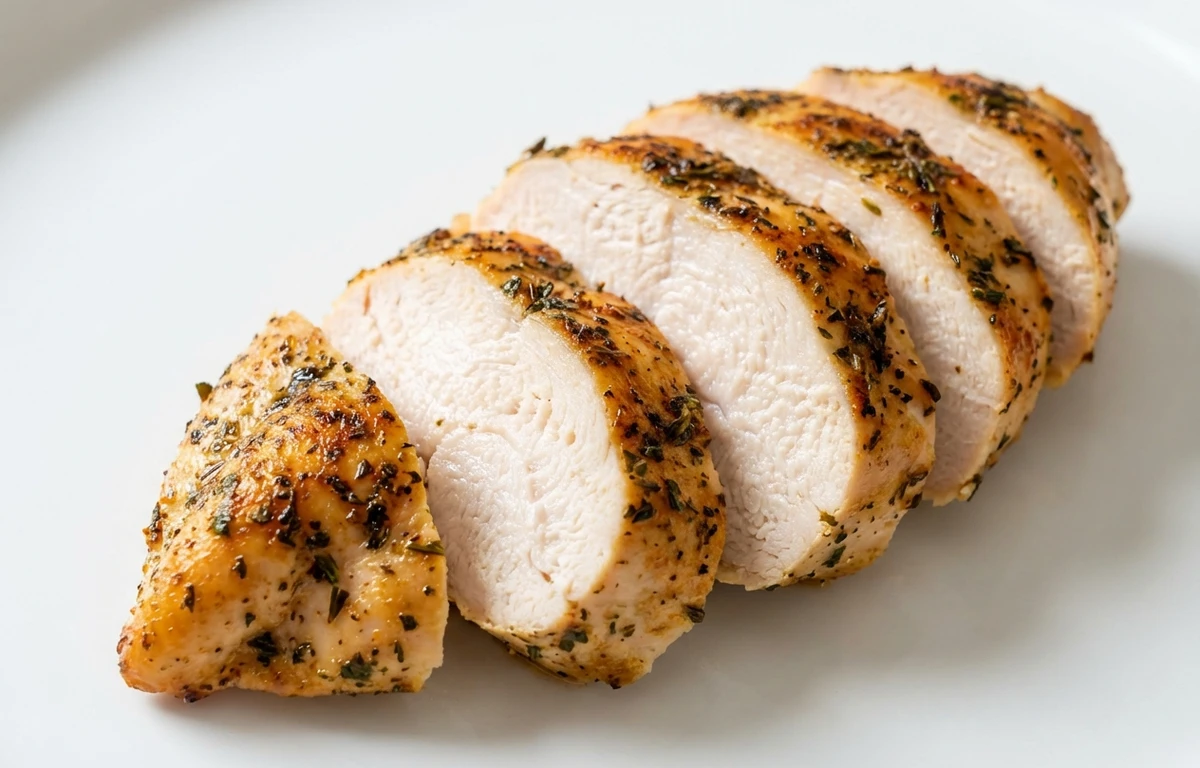
cooked chicken breast.
VegetarianVeganGluten-freeDairy-freeNut-freePeanut-freeSoy-freeEgg-freeShellfish-freeHoney-freeAlcohol-free
SERVING
CALORIES
165
PROTEIN
31g
CARBS
0g
FAT
3.6g
FIBER
0g
NUTRITION PROFILE · per 100 g
Everything in this ingredient.
MACRONUTRIENTS
Calories165kcal—
Protein31g62%
Carbohydrates0g0%
Fiber0g0%
Sugar0g0%
Total fat3.6g5%
Saturated fat1.0g5%
Trans fat0g—
Cholesterol85mg28%
Water65.3g—
MINERALS
Sodium74mg3%
Potassium256mg5%
Calcium15mg1%
Iron1.0mg6%
Magnesium29mg7%
Phosphorus228mg18%
Zinc1.0mg9%
Copper0.05mg6%
Manganese0.02mg1%
Selenium27.6µg50%
VITAMINS
Vitamin A6.0µg1%
Vitamin C0mg0%
Vitamin D0.10µg1%
Vitamin E0.30mg2%
Vitamin K0µg0%
Thiamin (B1)0.07mg6%
Riboflavin (B2)0.12mg9%
Niacin (B3)13.7mg86%
Pantothenic acid (B5)1.5mg30%
Vitamin B60.60mg35%
Folate (B9)4.0µg1%
Vitamin B120.34µg14%
%DV based on a 2,000 cal diet. Source: USDA FoodData Central. A dash in the %DV column means there’s no established Daily Value for that nutrient.
MEASUREMENT CONVERSIONS
How much is what.
1 cup140g
1 oz28.4g
1 lb453.6g
1 piece172g
HEALTH BENEFITS
Why eat it.
- ✓Excellent source of high-quality lean protein
- ✓Rich in B vitamins for energy metabolism
- ✓Contains selenium which supports thyroid function
- ✓Low in saturated fat compared to red meats
- ✓Supports muscle maintenance and growth
COOKING TIPS
In the kitchen.
- 1Use a meat thermometer to ensure internal temperature reaches 165°F (74°C)
- 2Let the meat rest for 5 minutes after cooking to retain juices
- 3Avoid overcooking as breast meat dries out quickly due to low fat content
STORAGE
Keep it fresh.
- Store in an airtight container in the refrigerator for up to 3-4 days
- Can be frozen for up to 4 months if wrapped tightly
- Keep separate from raw foods to prevent cross-contamination
FAQ
Frequently asked questions.
How long does cooked chicken breast last in the fridge?
Cooked chicken breast stays safe and fresh for 3 to 4 days when stored in an airtight container in the refrigerator.
Can I freeze cooked chicken breast?
Yes, you can freeze it for up to 4 months. For best results, slice or shred it before freezing and use freezer-safe bags.
What is the best way to reheat it without drying it out?
Reheat it slowly with a splash of water or broth, covered, in the oven or microwave to maintain moisture.
Is cooked chicken breast healthy?
Yes, it is one of the leanest protein sources available, making it ideal for weight management and muscle building.
How do I know if the chicken is fully cooked?
The internal temperature should reach 165°F (74°C). The juices should run clear and the meat should no longer be pink.
What can I substitute for chicken breast in a recipe?
Turkey breast is the closest substitute. For plant-based options, use tofu, seitan, or soy-based meat alternatives.
Does the nutrition change if I boil or roast it?
Boiling may leach some minerals into the water, while roasting at high heat can slightly reduce B vitamins, but the protein content remains stable.
How many calories are in a standard chicken breast?
A medium-sized cooked chicken breast (approx. 172g) contains roughly 284 calories.
RECIPES
Cook with cooked chicken breast.
6 recipes · sorted by what’s quick
SAME CATEGORY
Other meat.
black bear meat
boiled beef heart
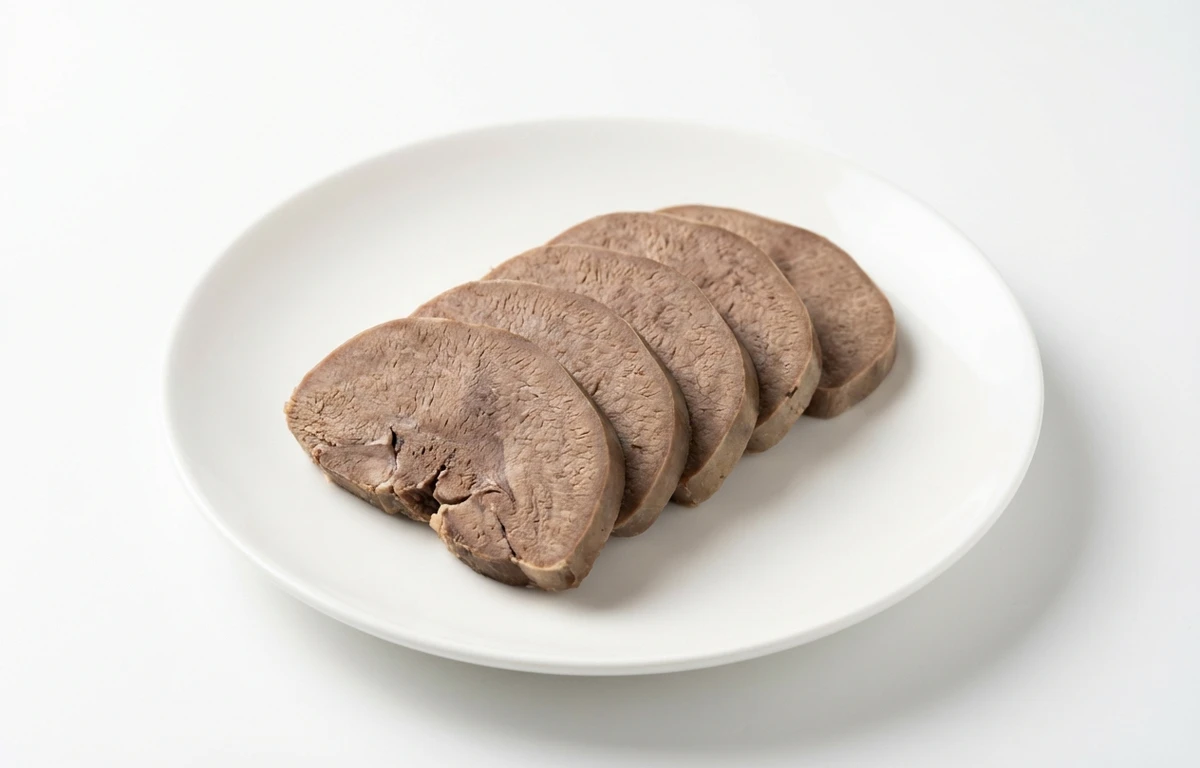
boiled beef kidney
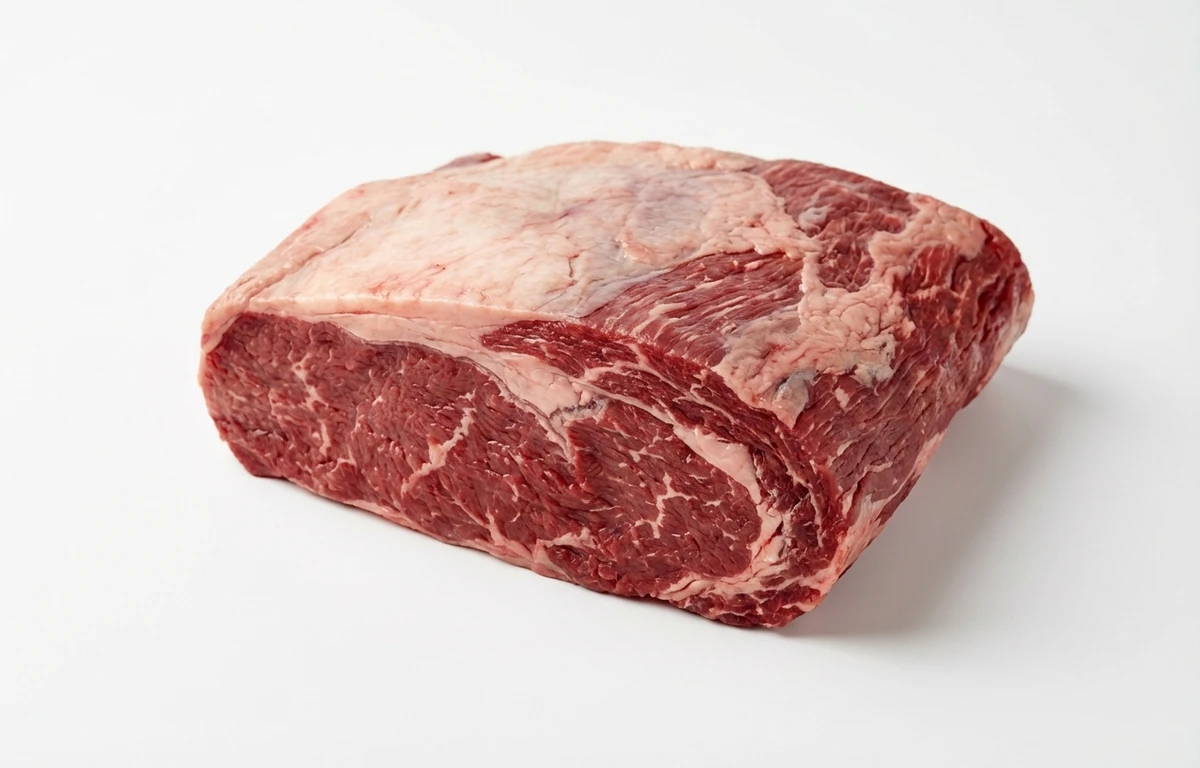
braised beef brisket navel end lean
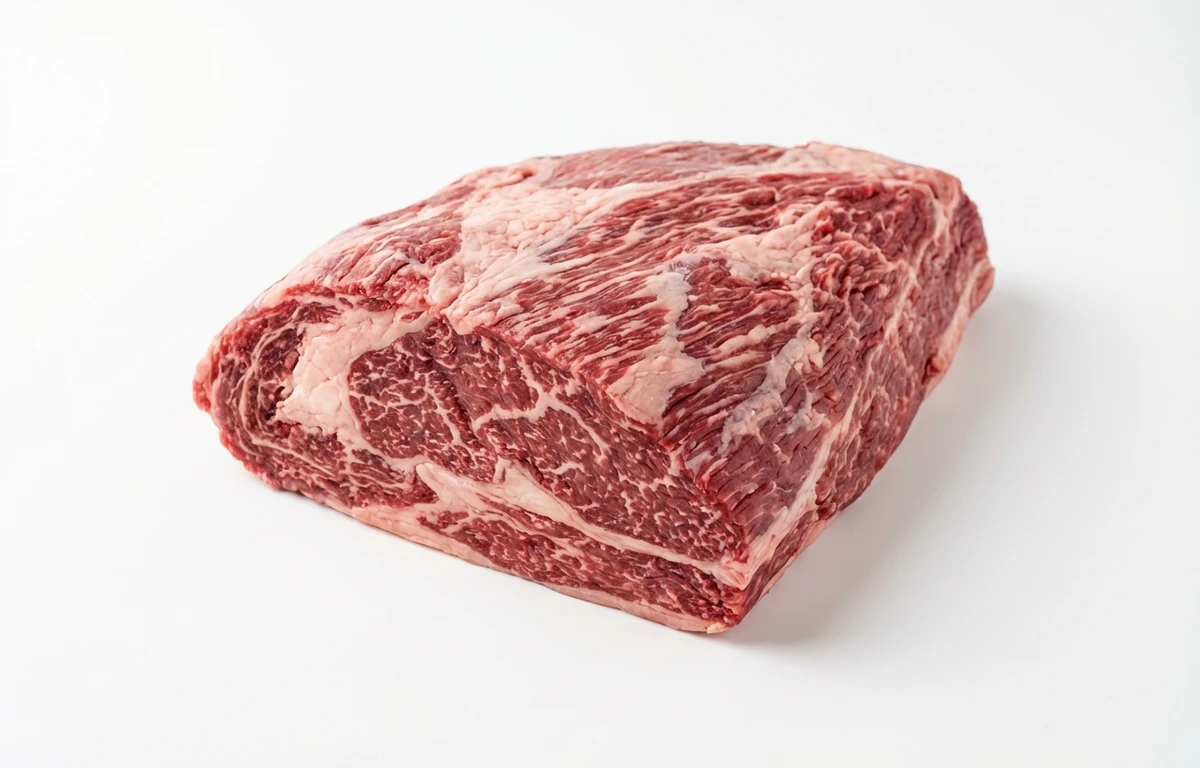
braised beef brisket point end lean
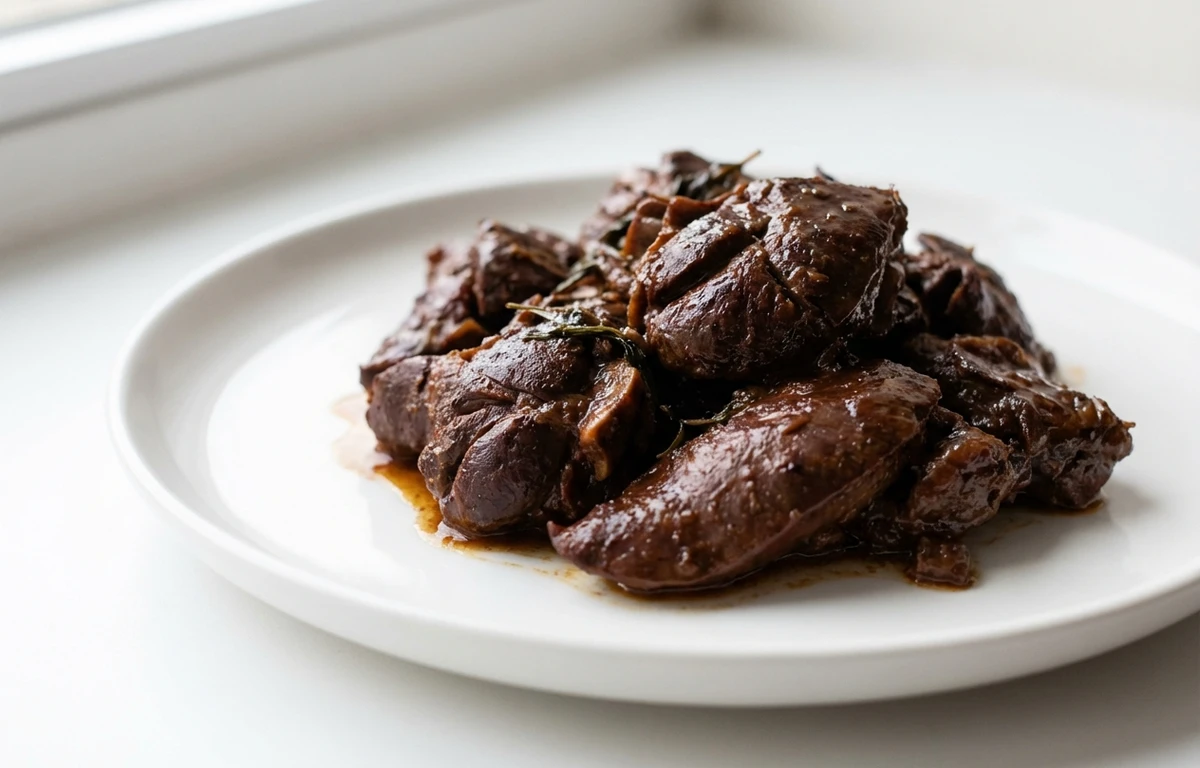
braised cooked lamb lungs
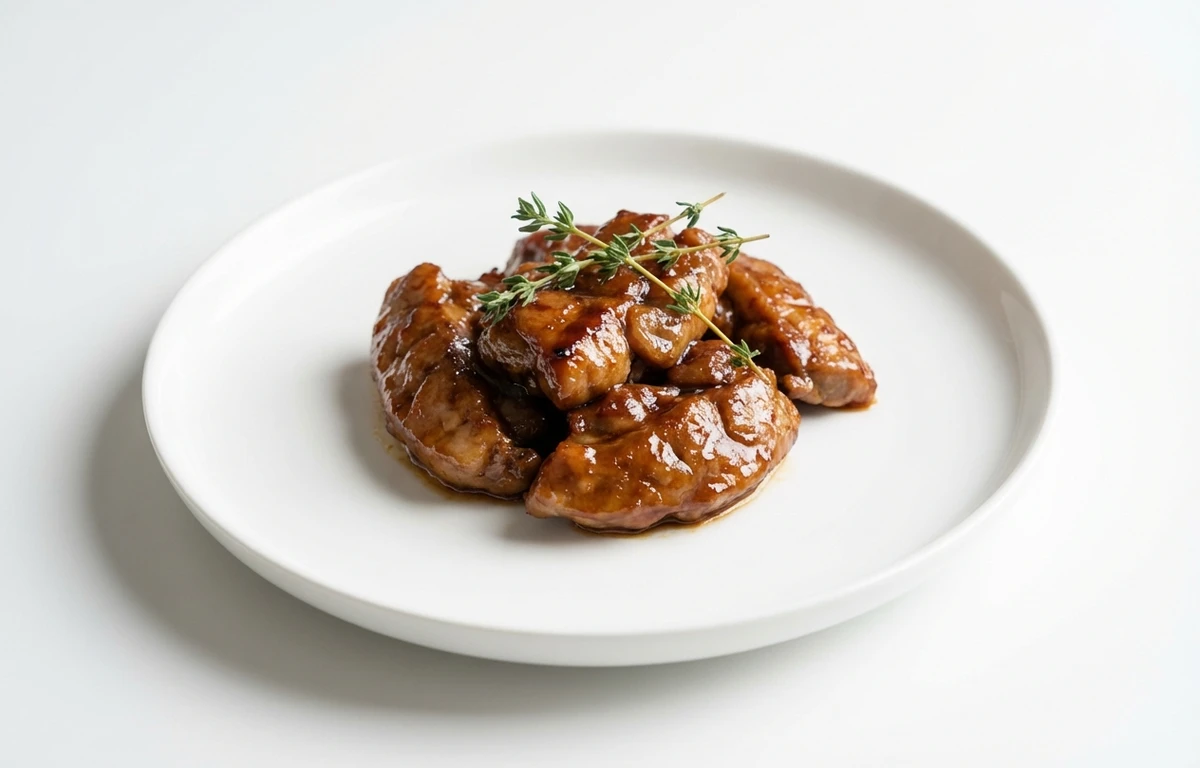
braised cooked lamb pancreas
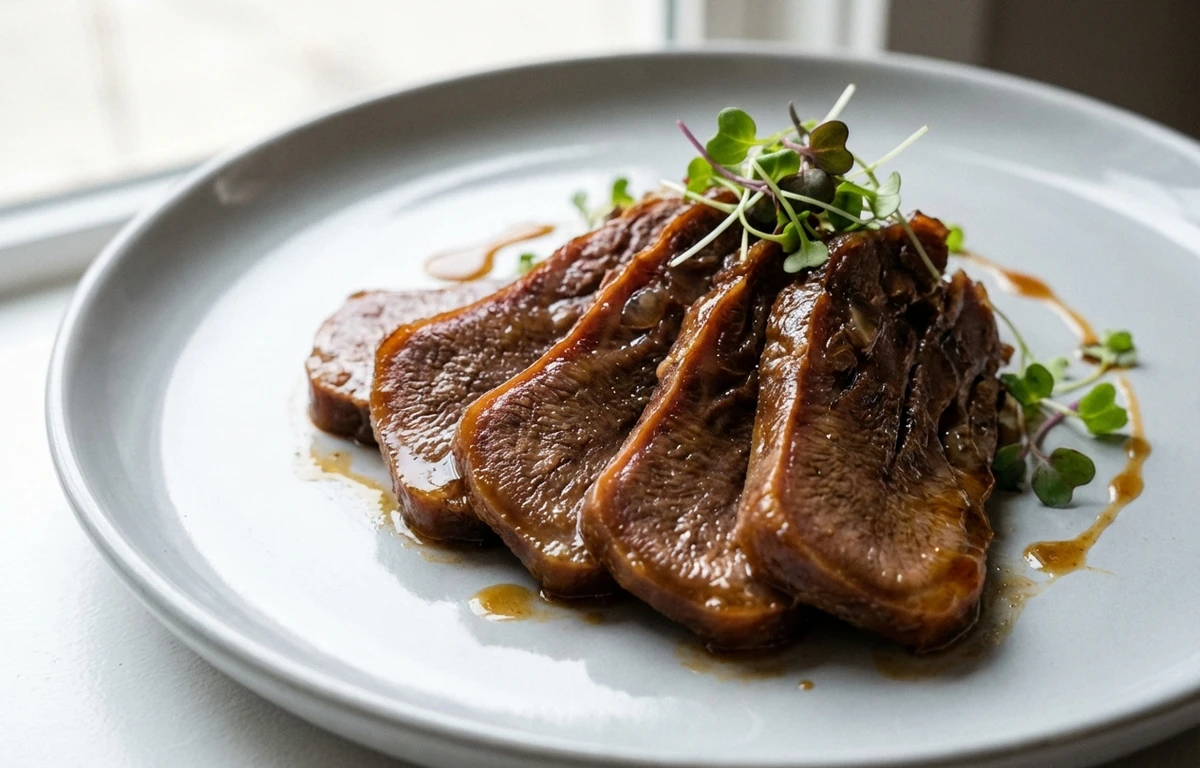
braised cooked lamb tongue
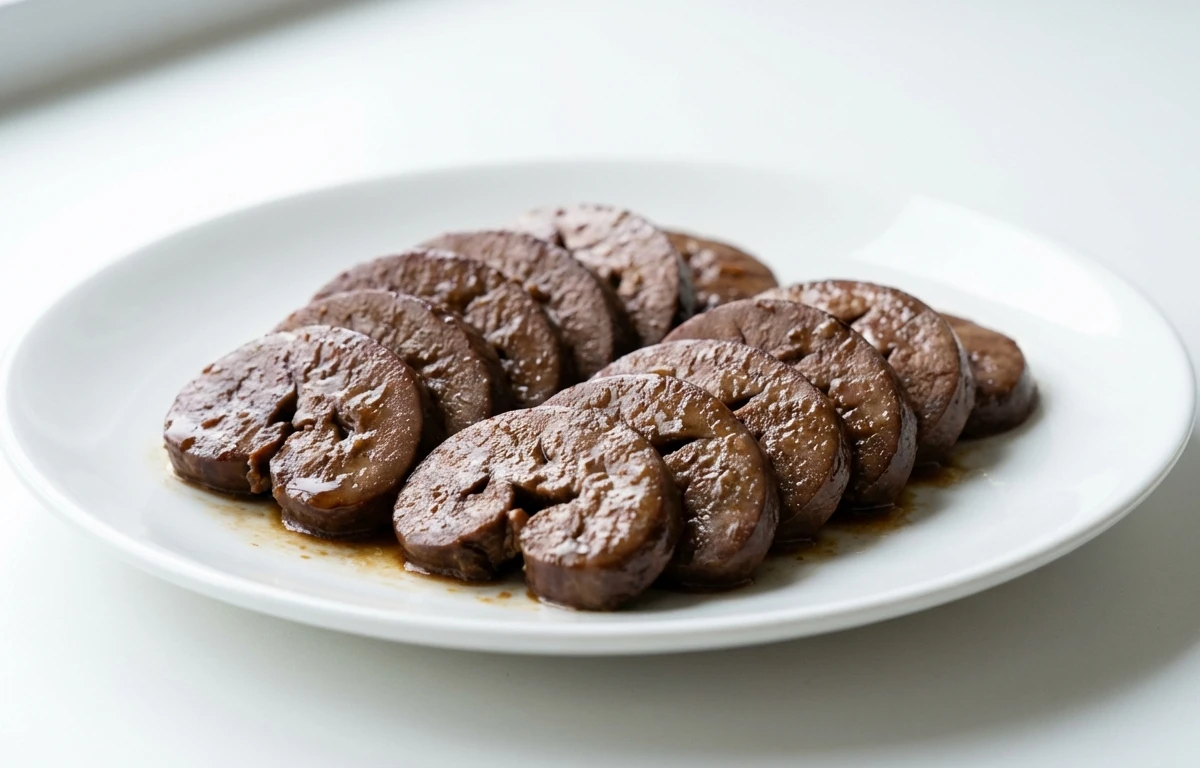
braised cooked pork kidneys
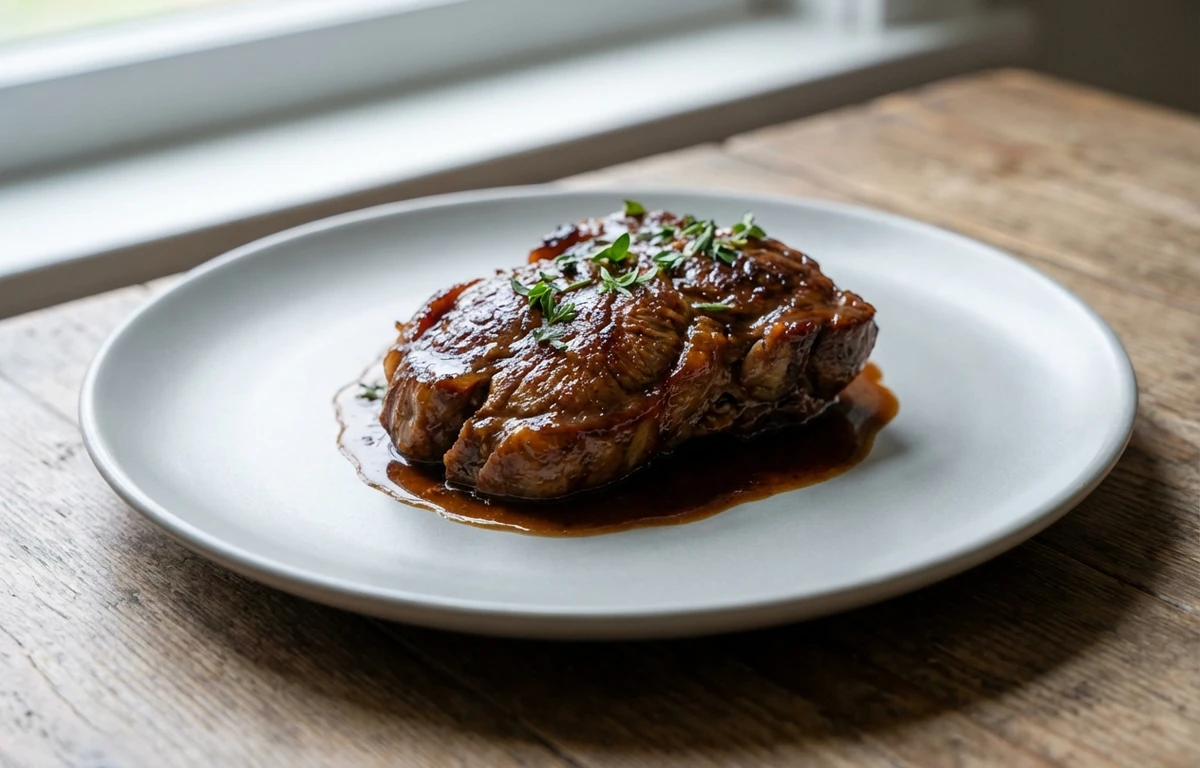
braised cooked veal thymus
braised cooked veal tongue
braised select bottom round beef steak