
Loading...
Per 100g
Nutrition data source: USDA FoodData Central
Common measurement equivalents in grams
Yes, cooked fish roe is highly nutritious. It is an excellent source of Omega-3 fatty acids (EPA and DHA) for heart and brain health, and it provides significant amounts of Vitamin B12 and Vitamin D, which are essential for nerve function and bone strength.
Cooked fish roe is a high-protein food, containing approximately 22.3g of protein per 100g. This makes it an excellent option for tissue repair, muscle maintenance, and satiety.
Yes, cooked fish roe is very keto-friendly. With only 1.5g of carbohydrates and 11.4g of healthy fats per 100g, it fits perfectly into a low-carb or ketogenic lifestyle.
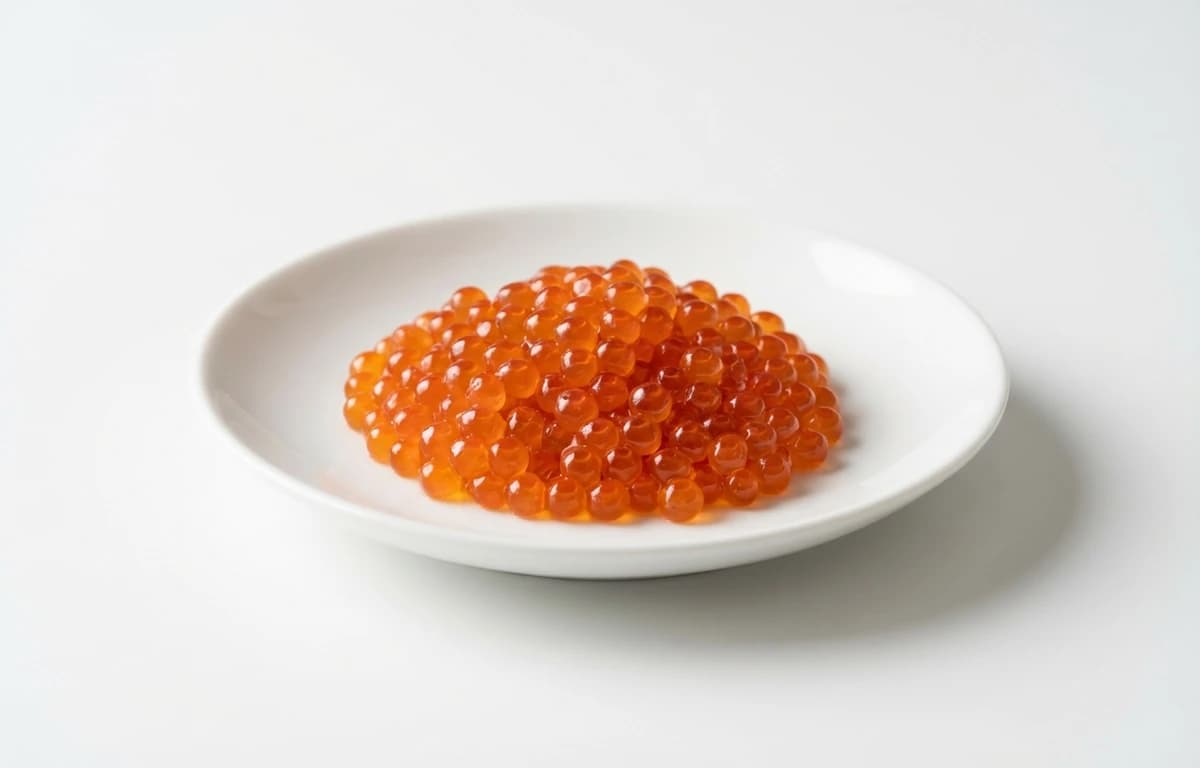
Cooked fish roe has a rich, savory, and slightly salty 'umami' flavor. Its texture is unique, often described as grainy or crumbly, and it can have a pleasant 'pop' depending on the size of the eggs and the cooking method used.
Common preparation methods include pan-frying, poaching, or steaming. A popular technique is to lightly coat the roe sacs in flour or cornstarch and pan-fry them in butter or oil until the outside is golden and crispy.
In its natural state, fish roe is gluten-free. However, be cautious with prepared dishes, as roe is often breaded or seasoned with soy sauce, which may contain wheat. Always check the ingredients if you have a gluten sensitivity.
Cooked fish roe should be stored in an airtight container in the refrigerator and is best consumed within 2 to 3 days. For the best quality, ensure it is refrigerated promptly after cooking.
cooked fish roe is a versatile ingredient found in cuisines around the world. With 204 calories per 100g and 22.3 grams of protein, it's a nutritious addition to many dishes.
Explore more ingredients in the seafood category with complete nutrition information.
View all seafood →Discover 0 recipes featuring cooked fish roe with step-by-step instructions.
Browse recipes →Yes, you can freeze cooked fish roe for up to 3 months. To preserve the texture, wrap it tightly in plastic wrap and place it in a freezer-safe bag; however, note that the texture may become slightly drier or grainier upon thawing.
Yes, fish roe is relatively high in dietary cholesterol. While it provides many heart-healthy Omega-3 fatty acids that can help manage inflammation, individuals on a cholesterol-restricted diet should consume it in moderation.
Cooked fish roe is generally safe during pregnancy as long as it is cooked thoroughly to an internal temperature of 145°F (63°C). It is a great source of DHA, which supports fetal brain development, but you should monitor the mercury levels of the specific fish species the roe came from.