
Meat
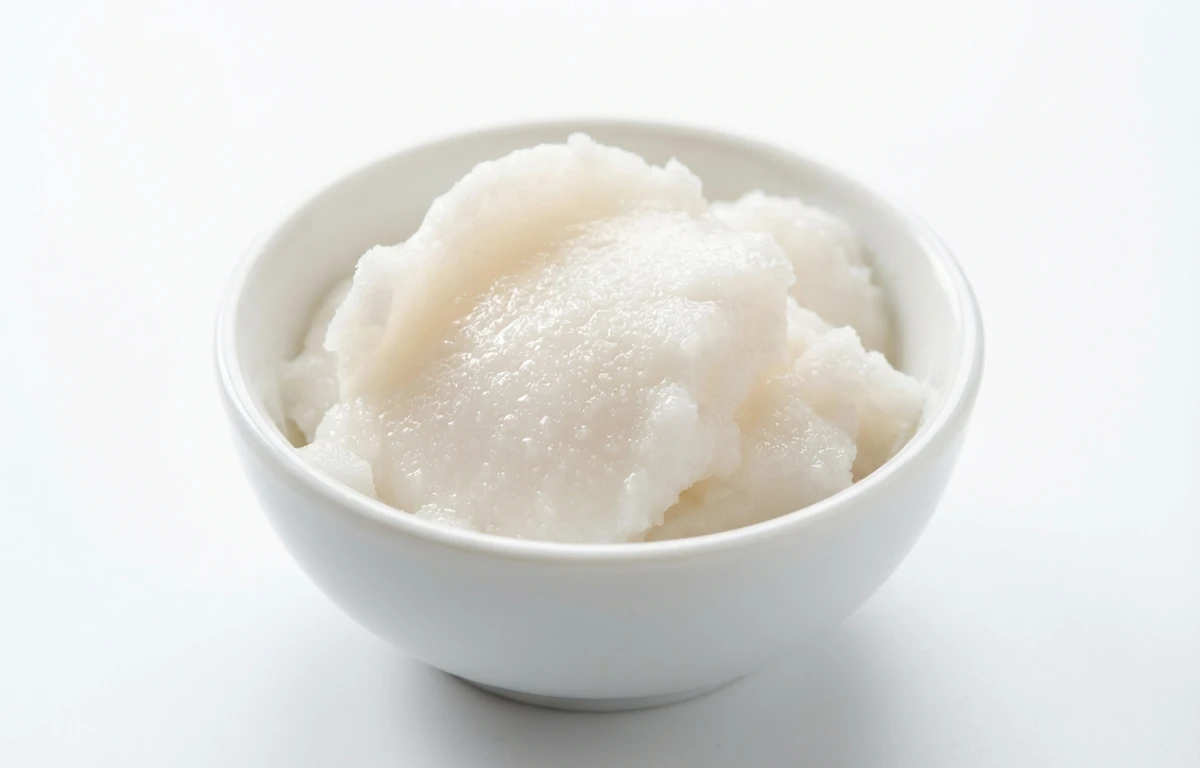
cooked lamb fat.
VegetarianVeganGluten-freeDairy-freeNut-freePeanut-freeSoy-freeEgg-freeShellfish-freeHoney-freeAlcohol-free
SERVING
CALORIES
538
PROTEIN
16.9g
CARBS
0g
FAT
52.3g
FIBER
0g
NUTRITION PROFILE · per 100 g
Everything in this ingredient.
MACRONUTRIENTS
Calories538kcal—
Protein16.9g34%
Carbohydrates0g0%
Fiber0g0%
Sugar0g0%
Total fat52.3g67%
Saturated fat26.8g134%
Trans fat4.1g—
Cholesterol81mg27%
Water27.1g—
MINERALS
Sodium58mg3%
Potassium207mg4%
Calcium12mg1%
Iron2.0mg11%
Magnesium1.0mg0%
Phosphorus1.0mg0%
Zinc0.01mg0%
Copper0.01mg1%
Manganese0mg0%
Selenium0.10µg0%
VITAMINS
Vitamin A0µg0%
Vitamin C0mg0%
Vitamin D0µg0%
Vitamin E0.04mg0%
Vitamin K0.10µg0%
Thiamin (B1)0mg0%
Riboflavin (B2)0mg0%
Niacin (B3)0mg0%
Pantothenic acid (B5)0mg0%
Vitamin B60mg0%
Folate (B9)0µg0%
Vitamin B120µg0%
%DV based on a 2,000 cal diet. Source: USDA FoodData Central. A dash in the %DV column means there’s no established Daily Value for that nutrient.
MEASUREMENT CONVERSIONS
How much is what.
1 cup216g
1 tablespoon13.5g
1 teaspoon4.5g
1 ml0.9g
1 liter900g
HEALTH BENEFITS
Why eat it.
- ✓Provides a concentrated source of energy due to its high caloric density.
- ✓Contains fat-soluble vitamins such as Vitamin E and Vitamin D.
- ✓A natural source of conjugated linoleic acid (CLA), a fatty acid with potential anti-inflammatory properties.
- ✓Rich in monounsaturated fats, particularly oleic acid, which is also found in olive oil.
COOKING TIPS
In the kitchen.
- 1Use as a cooking medium for roasting potatoes and root vegetables to impart a rich, savory flavor.
- 2Incorporate into savory pie crusts or biscuits as a substitute for butter or lard to create a flaky texture.
- 3Render the fat slowly on low heat to create liquid tallow for cooking and crispy cracklings for a garnish.
- 4Add a small amount to lean ground meats to enhance flavor and moisture in burgers or sausages.
STORAGE
Keep it fresh.
- Store rendered lamb fat (tallow) in an airtight container in the refrigerator for up to 3 months.
- For long-term storage, freeze the fat in an airtight container or ice cube trays for up to one year.
FAQ
Frequently asked questions.
Is cooked lamb fat healthy?
In moderation, cooked lamb fat provides essential fat-soluble vitamins like E and D, and conjugated linoleic acid (CLA), which has anti-inflammatory properties. It is also rich in oleic acid, a heart-healthy monounsaturated fat. However, due to its high caloric density, it should be consumed as part of a balanced diet.
How many calories and fat are in cooked lamb fat?
Cooked lamb fat is very energy-dense, containing approximately 538 calories and 52.3g of fat per 100g. It also provides about 16.9g of protein and contains zero carbohydrates.
Is cooked lamb fat keto-friendly?
Yes, cooked lamb fat is highly keto-friendly as it contains zero carbohydrates and is very high in fat. It is an efficient way for those on a ketogenic diet to meet their daily fat macros while adding significant flavor to meals.
What does cooked lamb fat taste like?
Cooked lamb fat has a robust, savory, and slightly 'gamey' flavor that is more intense than beef or pork fat. It adds a deep, rich umami quality to dishes, which is a staple in Mediterranean and Middle Eastern cuisines.
How do you use cooked lamb fat in cooking?
It can be rendered into tallow for high-heat frying, used to roast vegetables, or added to stews for extra richness. Because of its high smoke point, it is excellent for searing meats or sautéing at high temperatures.
How should I store cooked lamb fat?
Store cooked lamb fat in a sealed, airtight container in the refrigerator for up to two weeks. For long-term storage, it can be frozen for up to six months; just ensure it is well-wrapped to prevent freezer burn.
Is cooked lamb fat good for weight loss?
While fat can increase satiety and keep you full longer, cooked lamb fat is very high in calories. It can be used in low-carb weight loss plans, but strict portion control is necessary to avoid a large caloric surplus.
Can I substitute cooked lamb fat for butter or vegetable oil?
Yes, it can be used as a substitute in savory dishes to add a unique depth of flavor. However, it is not recommended for most baking or neutral-flavored recipes because its distinct lamb aroma and taste will be very prominent.
Is cooked lamb fat halal?
Lamb is generally considered halal if the animal was slaughtered according to Islamic dietary laws. If the meat itself is certified halal, the fat rendered or cooked from that meat is also considered halal.
What are the specific health benefits of the fats in lamb fat?
It contains conjugated linoleic acid (CLA), which may help reduce inflammation, and oleic acid, the same monounsaturated fat found in olive oil. These fats support heart health and provide a concentrated source of long-lasting energy.



















