
Meat
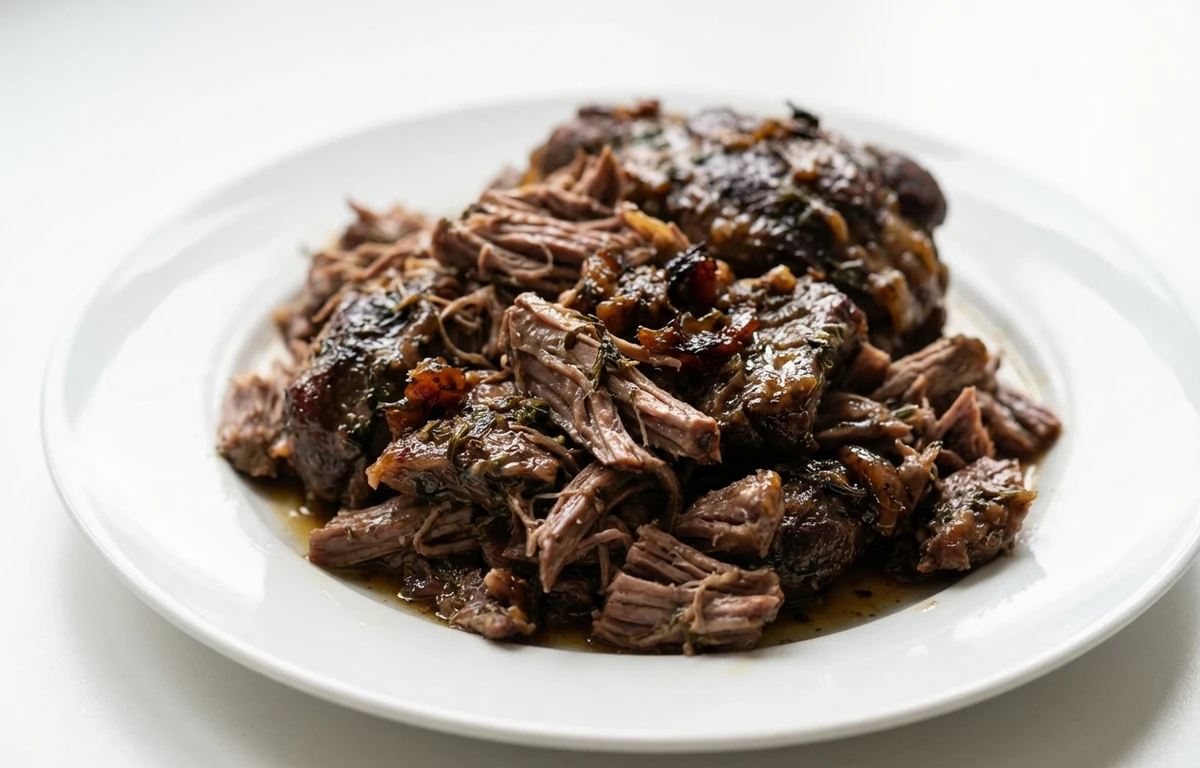
cooked lamb shoulder.
VegetarianVeganGluten-freeDairy-freeNut-freePeanut-freeSoy-freeEgg-freeShellfish-freeHoney-freeAlcohol-free
SERVING
CALORIES
282
PROTEIN
24.8g
CARBS
0g
FAT
19.7g
FIBER
0g
NUTRITION PROFILE · per 100 g
Everything in this ingredient.
MACRONUTRIENTS
Calories282kcal—
Protein24.8g50%
Carbohydrates0g0%
Fiber0g0%
Sugar0g0%
Total fat19.7g25%
Saturated fat8.5g43%
Trans fat1.2g—
Cholesterol95mg32%
Water54.5g—
MINERALS
Sodium72mg3%
Potassium280mg6%
Calcium15mg1%
Iron2.4mg13%
Magnesium22mg5%
Phosphorus190mg15%
Zinc5.8mg53%
Copper0.12mg13%
Manganese0.02mg1%
Selenium26.5µg48%
VITAMINS
Vitamin A0µg0%
Vitamin C0mg0%
Vitamin D0.10µg1%
Vitamin E0.20mg1%
Vitamin K0µg0%
Thiamin (B1)0.10mg8%
Riboflavin (B2)0.25mg19%
Niacin (B3)6.2mg39%
Pantothenic acid (B5)0.65mg13%
Vitamin B60.15mg9%
Folate (B9)2.0µg1%
Vitamin B122.6µg108%
%DV based on a 2,000 cal diet. Source: USDA FoodData Central. A dash in the %DV column means there’s no established Daily Value for that nutrient.
MEASUREMENT CONVERSIONS
How much is what.
1 piece262g
HEALTH BENEFITS
Why eat it.
- ✓Excellent source of high-quality complete protein, essential for muscle growth and repair.
- ✓Rich in heme iron, which is highly bioavailable and helps prevent iron-deficiency anemia.
- ✓Provides significant amounts of Vitamin B12, crucial for nerve function and the formation of red blood cells.
- ✓Good source of zinc, which supports immune system function, wound healing, and cell growth.
COOKING TIPS
In the kitchen.
- 1Cooked lamb shoulder is ideal for shredding. Use two forks to pull the meat apart for tacos, sandwiches, or shepherd's pie.
- 2To reheat, place lamb in a covered dish with a splash of broth or water and warm in a low-temperature oven (around 300°F or 150°C) to prevent it from drying out.
- 3The rich flavor pairs well with robust herbs like rosemary, thyme, and mint, as well as spices like cumin and coriander.
- 4Use leftover bones and pan drippings to create a flavorful stock or gravy base.
STORAGE
Keep it fresh.
- Refrigerate leftover cooked lamb in an airtight container at 40°F (4°C) or below and consume within 3-4 days.
- For longer storage, freeze in a freezer-safe bag or airtight container for up to 3 months for optimal quality.
FAQ
Frequently asked questions.
Is cooked lamb shoulder healthy?
Yes, cooked lamb shoulder is a nutrient-dense protein source rich in Vitamin B12, zinc, and bioavailable heme iron. While it is higher in fat than leaner cuts, it provides essential fatty acids and high-quality complete protein necessary for muscle repair and immune function.
How much protein and calories are in 100g of cooked lamb shoulder?
A 100g serving of cooked lamb shoulder provides approximately 282 calories and 24.8 grams of protein. It contains 0g of carbohydrates and about 19.7g of fat, making it a high-protein, moderate-calorie food choice.
Is cooked lamb shoulder keto-friendly?
Yes, cooked lamb shoulder is excellent for a ketogenic or low-carb diet. With zero carbohydrates and a significant fat content (19.7g per 100g), it helps meet fat macros while providing high-quality protein.
Is cooked lamb shoulder gluten-free?
Naturally cooked lamb shoulder is 100% gluten-free. However, if the meat was prepared with store-bought rubs, marinades, or served with gravy thickened with flour, it may contain gluten, so always check added ingredients.
What is the best way to cook lamb shoulder?
Because lamb shoulder contains significant connective tissue and fat, it is best suited for slow-cooking methods like braising, stewing, or slow-roasting. Cooking it at a low temperature for several hours allows the meat to become tender and 'fall-off-the-bone'.
How long does cooked lamb shoulder last in the fridge?
Cooked lamb shoulder can be stored in an airtight container in the refrigerator for 3 to 4 days. To maintain the best texture and flavor, ensure it is cooled completely before sealing and refrigerating.
Can you freeze cooked lamb shoulder?
Yes, cooked lamb shoulder freezes very well. Store it in a freezer-safe bag or airtight container for up to 3 months; for best results, freeze it in its own juices or gravy to prevent the meat from drying out during reheating.
What does cooked lamb shoulder taste like?
Lamb shoulder has a robust, savory, and slightly earthy flavor that is more intense than beef. Its high fat content gives it a rich, buttery mouthfeel and keeps the meat moist during long cooking processes.
Is lamb shoulder high in fat?
Compared to the leg or loin, the shoulder is a fattier cut of lamb, containing about 19.7g of fat per 100g. Much of this fat renders out during slow cooking, which bastes the meat and contributes to its deep flavor and tender texture.
Can diabetics eat cooked lamb shoulder?
Yes, cooked lamb shoulder is a suitable option for diabetics because it has a glycemic index of zero and does not cause blood sugar spikes. However, it should be eaten in moderation as part of a balanced diet due to its saturated fat content.



















