
Seafood
cooked lingcod.
VegetarianVeganGluten-freeDairy-freeNut-freePeanut-freeSoy-freeEgg-freeShellfish-freeHoney-freeAlcohol-free
ALSO KNOWN AS
cooked buffalo codcooked cultus cod
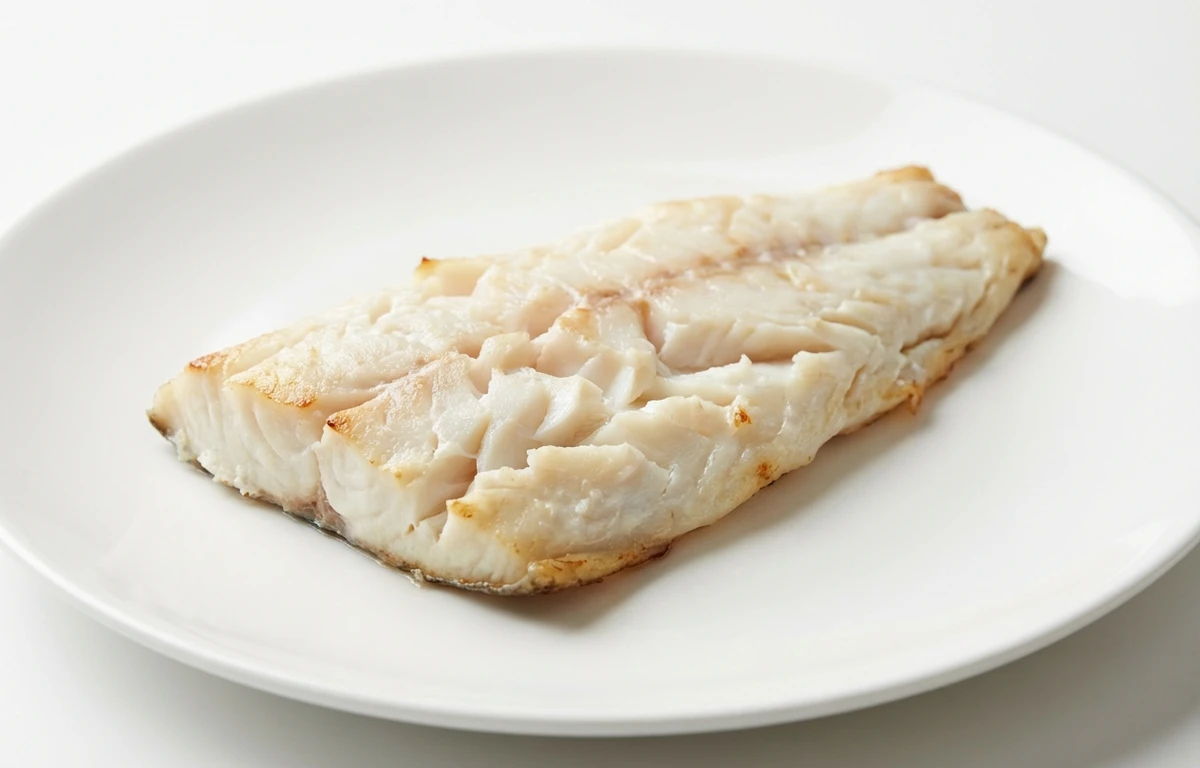
SERVING
CALORIES
109
PROTEIN
22.5g
CARBS
0g
FAT
1.3g
FIBER
0g
NUTRITION PROFILE · per 100 g
Everything in this ingredient.
MACRONUTRIENTS
Calories109kcal—
Protein22.5g45%
Carbohydrates0g0%
Fiber0g0%
Sugar0g0%
Total fat1.3g2%
Saturated fat0.30g2%
Trans fat0g—
Cholesterol67mg22%
Water75.2g—
MINERALS
Sodium72mg3%
Potassium520mg11%
Calcium21mg2%
Iron0.50mg3%
Magnesium35mg8%
Phosphorus240mg19%
Zinc0.50mg5%
Copper0.03mg3%
Manganese0.02mg1%
Selenium46.8µg85%
VITAMINS
Vitamin A18µg2%
Vitamin C0mg0%
Vitamin D1.6µg8%
Vitamin E0.80mg5%
Vitamin K0.10µg0%
Thiamin (B1)0.07mg6%
Riboflavin (B2)0.09mg7%
Niacin (B3)4.2mg26%
Pantothenic acid (B5)0.30mg6%
Vitamin B60.40mg24%
Folate (B9)15µg4%
Vitamin B121.8µg75%
%DV based on a 2,000 cal diet. Source: USDA FoodData Central. A dash in the %DV column means there’s no established Daily Value for that nutrient.
MEASUREMENT CONVERSIONS
How much is what.
1 cup140g
1 oz28.4g
1 lb453.6g
1 piece170g
HEALTH BENEFITS
Why eat it.
- ✓High-quality lean protein source for muscle repair
- ✓Rich in Omega-3 fatty acids for heart health
- ✓Excellent source of Vitamin B12 for nerve function
- ✓High selenium content which acts as a powerful antioxidant
- ✓Low in calories and saturated fats
COOKING TIPS
In the kitchen.
- 1Avoid overcooking; the fish is done when it reaches an internal temperature of 145°F (63°C)
- 2Reheat gently in the oven at a low temperature with a splash of water to prevent drying out
- 3Pairs exceptionally well with acidic components like lemon, lime, or capers
STORAGE
Keep it fresh.
- Store in an airtight container in the refrigerator for 3-4 days
- Can be frozen for up to 3 months if tightly wrapped in moisture-proof foil or freezer bags
- Keep at the bottom of the refrigerator to maintain the coldest temperature
FAQ
Frequently asked questions.
How long does cooked lingcod last in the fridge?
Cooked lingcod will stay fresh in the refrigerator for 3 to 4 days when stored in an airtight container.
Can you freeze cooked lingcod?
Yes, you can freeze it for up to 3 months. Ensure it is completely cooled and wrapped tightly to prevent freezer burn.
Is lingcod a type of cod?
Despite the name, lingcod is not a true cod; it is actually a member of the greenling family.
What is the texture of cooked lingcod?
It has a firm, dense texture with large, moist flakes, similar to halibut.
What are the best substitutes for lingcod?
Halibut, Pacific cod, or haddock are the best substitutes due to their similar texture and mild flavor.
How do I know if lingcod is fully cooked?
The flesh should turn from translucent to opaque and should flake easily when tested with a fork.
Is lingcod high in mercury?
Lingcod has moderate mercury levels; it is generally safe but should be consumed in moderation compared to smaller fish.
What is the best way to reheat cooked lingcod?
The best way is in a 275°F (135°C) oven, covered with foil, for about 10-15 minutes to retain moisture.



















