
Seafood
cooked monkfish.
VegetarianVeganGluten-freeDairy-freeNut-freePeanut-freeSoy-freeEgg-freeShellfish-freeHoney-freeAlcohol-freeKosher
ALSO KNOWN AS
cooked anglerfishcooked goosefishcooked sea-devil
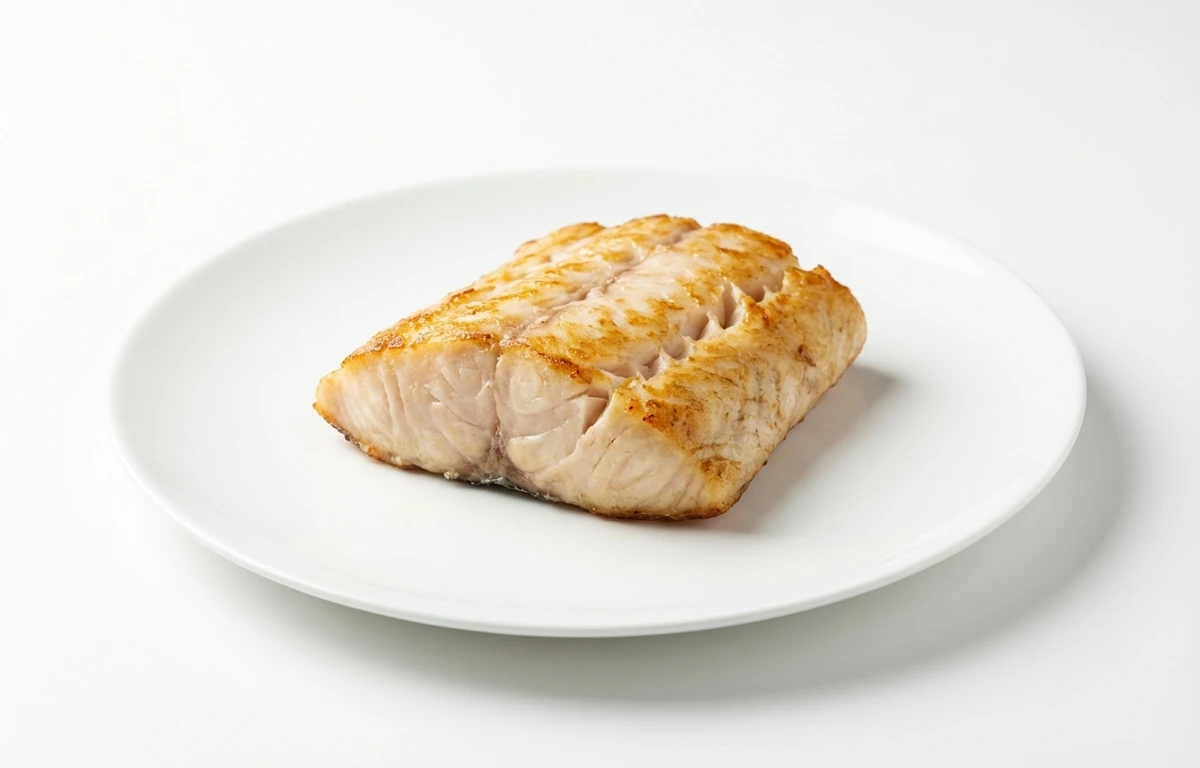
SERVING
CALORIES
97
PROTEIN
18.5g
CARBS
0g
FAT
2.0g
FIBER
0g
NUTRITION PROFILE · per 100 g
Everything in this ingredient.
MACRONUTRIENTS
Calories97kcal—
Protein18.5g37%
Carbohydrates0g0%
Fiber0g0%
Sugar0g0%
Total fat2.0g3%
Saturated fat0.40g2%
Trans fat0g—
Cholesterol40mg13%
Water78.2g—
MINERALS
Sodium72mg3%
Potassium450mg10%
Calcium10mg1%
Iron0.40mg2%
Magnesium25mg6%
Phosphorus220mg18%
Zinc0.50mg5%
Copper0.03mg3%
Manganese0.02mg1%
Selenium46.8µg85%
VITAMINS
Vitamin A0µg0%
Vitamin C0mg0%
Vitamin D1.2µg6%
Vitamin E0.80mg5%
Vitamin K0.10µg0%
Thiamin (B1)0.02mg2%
Riboflavin (B2)0.08mg6%
Niacin (B3)2.5mg16%
Pantothenic acid (B5)0.30mg6%
Vitamin B60.30mg18%
Folate (B9)5.0µg1%
Vitamin B121.1µg46%
%DV based on a 2,000 cal diet. Source: USDA FoodData Central. A dash in the %DV column means there’s no established Daily Value for that nutrient.
MEASUREMENT CONVERSIONS
How much is what.
1 oz28.4g
1 lb453.6g
1 piece150g
HEALTH BENEFITS
Why eat it.
- ✓Excellent source of lean, high-quality protein
- ✓Rich in Selenium which supports immune function
- ✓Contains Vitamin B12 for nerve health and DNA synthesis
- ✓Low in calories and fat compared to other protein sources
- ✓Provides phosphorus for bone and teeth health
COOKING TIPS
In the kitchen.
- 1Avoid overcooking as the meat can become tough and rubbery
- 2Ideal for stews and soups as the firm texture holds its shape well
- 3Pairs exceptionally well with strong flavors like garlic, lemon, and butter
STORAGE
Keep it fresh.
- Store in an airtight container in the coldest part of the refrigerator
- Consume within 2 to 3 days of cooking
- Can be frozen for up to 3 months if tightly wrapped in moisture-proof foil or freezer bags
FAQ
Frequently asked questions.
How long does cooked monkfish last in the fridge?
Cooked monkfish can be safely stored in the refrigerator for 2 to 3 days in an airtight container.
Can you freeze cooked monkfish?
Yes, you can freeze it for up to 3 months. Ensure it is cooled completely and wrapped tightly to prevent freezer burn.
What is a good substitute for monkfish?
Lobster is the closest in texture, but for more affordable options, try scallops, cod, or halibut.
Why is monkfish called 'poor man's lobster'?
It earned this nickname because its firm, meaty texture and mild flavor are very similar to lobster tail meat.
Is monkfish high in mercury?
Monkfish contains moderate levels of mercury; it is generally safe but should be consumed in moderation compared to low-mercury fish like salmon.
How do I know if monkfish is cooked properly?
The flesh should turn from translucent to opaque white and reach an internal temperature of 145°F (63°C).
Does monkfish have many bones?
No, monkfish has a single central cartilage 'bone' in the tail, making it very easy to fillet and eat.
What are the best ways to cook monkfish?
Pan-searing, roasting, and grilling are excellent, but it is also famous for its use in Mediterranean fish stews like Bouillabaisse.



















