
Meat
cooked new zealand lamb intermuscular fat.
VegetarianVeganGluten-freeDairy-freeNut-freePeanut-freeSoy-freeEgg-freeShellfish-freeHoney-freeAlcohol-free
ALSO KNOWN AS
lamb fat
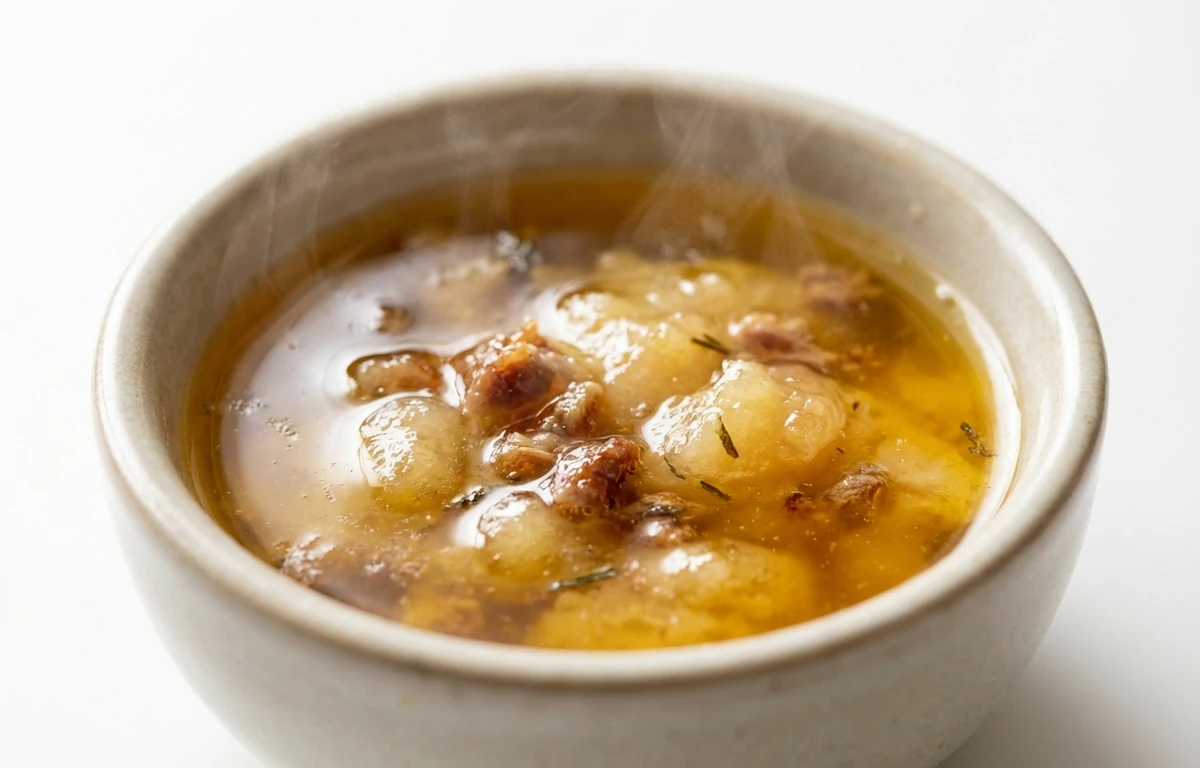
SERVING
CALORIES
596
PROTEIN
8.5g
CARBS
0g
FAT
62.4g
FIBER
0g
NUTRITION PROFILE · per 100 g
Everything in this ingredient.
MACRONUTRIENTS
Calories596kcal—
Protein8.5g17%
Carbohydrates0g0%
Fiber0g0%
Sugar0g0%
Total fat62.4g80%
Saturated fat26.3g132%
Trans fat3.6g—
Cholesterol82mg27%
Water29.6g—
MINERALS
Sodium52mg2%
Potassium198mg4%
Calcium6.0mg0%
Iron1.4mg8%
Magnesium12mg3%
Phosphorus118mg9%
Zinc1.8mg16%
Copper0.04mg4%
Manganese0.01mg0%
Selenium2.3µg4%
VITAMINS
Vitamin A34µg4%
Vitamin C0mg0%
Vitamin D0.20µg1%
Vitamin E0.94mg6%
Thiamin (B1)0.13mg11%
Riboflavin (B2)0.10mg8%
Niacin (B3)1.7mg11%
Pantothenic acid (B5)0.21mg4%
Vitamin B60.07mg4%
Vitamin B120.70µg29%
%DV based on a 2,000 cal diet. Source: USDA FoodData Central. A dash in the %DV column means there’s no established Daily Value for that nutrient.
MEASUREMENT CONVERSIONS
How much is what.
1 cup219.9g
1 tablespoon13.8g
1 teaspoon4.6g
1 oz28.4g
1 lb453.6g
1 ml0.9g
1 liter930g
HEALTH BENEFITS
Why eat it.
- ✓Provides a concentrated source of energy.
- ✓Aids in the absorption of fat-soluble vitamins (A, D, E, K).
- ✓Contains conjugated linoleic acid (CLA), particularly from grass-fed sources, which may have metabolic benefits.
- ✓Source of monounsaturated and saturated fats, including oleic acid and stearic acid.
COOKING TIPS
In the kitchen.
- 1Render the fat slowly over low heat to create clean, flavorful tallow. Strain through cheesecloth for purity.
- 2Use the rendered tallow as a high-smoke-point cooking fat for searing meats or roasting vegetables, especially potatoes, to impart a rich flavor.
- 3Incorporate small amounts into lean ground meat mixtures or savory pie fillings to add moisture and richness.
- 4Melt and use as a baste for roasting meats to promote browning and a crispy exterior.
STORAGE
Keep it fresh.
- Store rendered lamb fat (tallow) in an airtight container in the refrigerator for up to 3 months.
- For long-term storage, freeze rendered fat in an airtight container or ice cube trays for up to a year.
FAQ
Frequently asked questions.
Is cooked New Zealand lamb intermuscular fat healthy?
In moderation, lamb intermuscular fat provides essential fatty acids and aids in the absorption of fat-soluble vitamins like A, D, E, and K. While high in calories, New Zealand lamb is often grass-fed, which typically results in a higher concentration of beneficial conjugated linoleic acid (CLA) compared to grain-fed varieties.
How many calories and fat are in 100g of cooked lamb fat?
100g of cooked New Zealand lamb intermuscular fat contains approximately 596 calories and 62.44g of fat. It is a very calorie-dense ingredient with 0g of carbohydrates and about 8.53g of protein, making it a significant energy source.
Is lamb fat keto-friendly?
Yes, lamb fat is excellent for keto and other low-carb, high-fat diets. With zero carbohydrates and a high fat-to-protein ratio, it helps individuals maintain ketosis while providing the necessary fats for energy.
What are the specific health benefits of New Zealand lamb fat?
It contains oleic acid, a heart-healthy monounsaturated fat, and stearic acid, which has a neutral effect on cholesterol levels. Additionally, it is a source of CLA, which has been linked to potential metabolic benefits and anti-inflammatory properties.
How do you use cooked lamb intermuscular fat in cooking?
It is primarily used to add moisture and intense flavor to lean cuts of meat or stews. You can also render it down to create a flavorful cooking fat (tallow) for roasting vegetables or searing other proteins.
What does lamb intermuscular fat taste like?
It has a rich, savory, and slightly earthy flavor that is characteristic of lamb. Because it is intermuscular fat (marbling), it tends to be more tender and carries more of the animal's distinct flavor profile than the harder exterior fat.
Can I use lamb fat as a substitute for butter or oil?
Yes, rendered lamb fat can be a flavorful substitute for butter or vegetable oils in savory dishes. It has a high smoke point, making it ideal for high-heat cooking methods like frying or roasting.
Is this ingredient gluten-free and dairy-free?
Pure cooked lamb intermuscular fat is naturally gluten-free and dairy-free. It is a single-animal product, making it safe for those with celiac disease, gluten sensitivities, or lactose intolerance.
How should I store cooked lamb fat and how long does it last?
Cooked lamb fat should be kept in an airtight container in the refrigerator for 3 to 5 days. For long-term storage, it can be frozen for up to 3 months; ensure it is well-wrapped to prevent freezer burn.
How can I tell if cooked lamb fat has gone bad?
Spoiled lamb fat will develop a sour or rancid odor and may change in color or develop a slimy texture. If you notice any off-smells or visible mold, the fat should be discarded immediately.



















