
Poultry
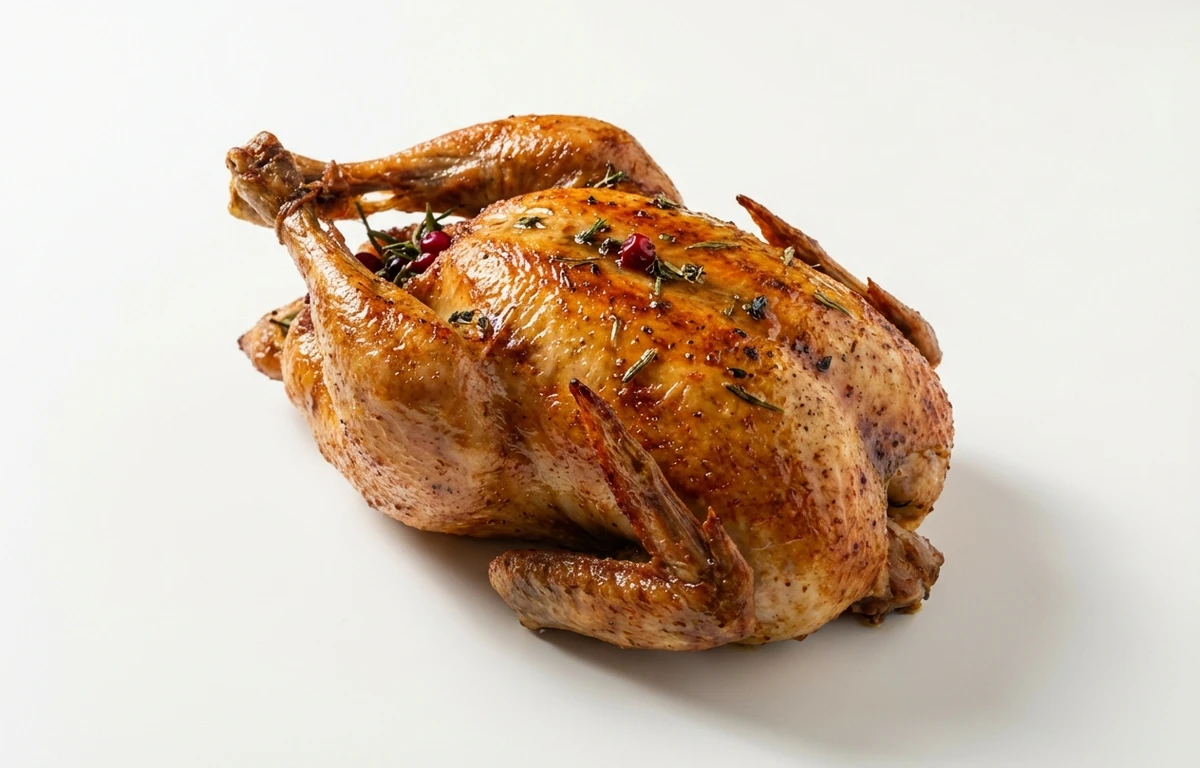
cooked pheasant.
VegetarianVeganGluten-freeDairy-freeNut-freePeanut-freeSoy-freeEgg-freeShellfish-freeHoney-freeAlcohol-free
ALSO KNOWN AS
pheasantgame bird
SERVING
CALORIES
239
PROTEIN
32.4g
CARBS
0g
FAT
12.1g
FIBER
0g
NUTRITION PROFILE · per 100 g
Everything in this ingredient.
MACRONUTRIENTS
Calories239kcal—
Protein32.4g65%
Carbohydrates0g0%
Fiber0g0%
Sugar0g0%
Total fat12.1g16%
Saturated fat3.9g20%
Cholesterol89mg30%
Water54.2g—
MINERALS
Sodium43mg2%
Potassium271mg6%
Calcium16mg1%
Iron1.4mg8%
Magnesium22mg5%
Phosphorus242mg19%
Zinc1.4mg12%
Copper0.08mg9%
Selenium20.7µg38%
VITAMINS
Vitamin A57µg6%
Vitamin C2.3mg3%
Vitamin D0.20µg1%
Vitamin E0.27mg2%
Vitamin K4.9µg4%
Thiamin (B1)0.07mg6%
Riboflavin (B2)0.18mg14%
Niacin (B3)7.5mg47%
Vitamin B60.75mg44%
Folate (B9)5.0µg1%
Vitamin B120.72µg30%
%DV based on a 2,000 cal diet. Source: USDA FoodData Central. A dash in the %DV column means there’s no established Daily Value for that nutrient.
MEASUREMENT CONVERSIONS
How much is what.
1 cup135g
HEALTH BENEFITS
Why eat it.
- ✓Excellent source of lean protein, crucial for muscle building, repair, and overall body function.
- ✓Rich in B vitamins, particularly Niacin (B3) and B6, which support energy metabolism and nervous system health.
- ✓Provides essential minerals like selenium, an antioxidant that helps protect cells from damage, and phosphorus, vital for bone health.
- ✓Lower in fat and cholesterol compared to domestic poultry like chicken, making it a heart-healthier option.
COOKING TIPS
In the kitchen.
- 1Pheasant is very lean and can dry out quickly. Use moist-heat cooking methods like braising or stewing, or baste frequently if roasting.
- 2To add moisture and flavor when roasting, consider barding the bird by wrapping it in bacon or pancetta.
- 3The gamey flavor of pheasant pairs well with robust and complementary ingredients such as juniper berries, thyme, mushrooms, and fruit-based sauces (e.g., cherry or apple).
- 4Always let cooked pheasant rest for at least 10 minutes before carving to allow the juices to redistribute, resulting in more tender meat.
STORAGE
Keep it fresh.
- Store cooked pheasant in an airtight container in the refrigerator at 40°F (4°C) or below and consume within 3-4 days.
- For longer storage, freeze cooked pheasant in freezer-safe bags or containers for up to 3 months to maintain optimal quality.
FAQ
Frequently asked questions.
Is cooked pheasant healthy?
Yes, cooked pheasant is highly nutritious. It is an excellent source of lean protein, B vitamins (Niacin and B6), and essential minerals like selenium and phosphorus, which support muscle repair, energy metabolism, and bone health.
How much protein is in cooked pheasant?
Cooked pheasant is very high in protein, providing approximately 32.4 grams per 100-gram serving. This makes it an exceptional choice for muscle building and satiety compared to many other poultry sources.
Is cooked pheasant keto-friendly?
Yes, cooked pheasant is ideal for a keto or low-carb diet. It contains 0 grams of carbohydrates and is high in protein, making it a perfect fit for ketogenic nutritional goals.
Is pheasant healthier than chicken?
Pheasant is often considered a healthier alternative to chicken as it is typically lower in fat and cholesterol. It also tends to have a higher protein density and more iron and B vitamins than standard domestic chicken.
What does cooked pheasant taste like?
Cooked pheasant has a unique, slightly gamey flavor that is more intense than chicken but milder than duck. The meat is lean and firm, often described as having earthy or nutty undertones.
How do you prevent cooked pheasant from becoming dry?
Because pheasant is very lean, it can dry out quickly. To keep it moist, use low-and-slow cooking methods, baste it frequently with fat or stock, or ensure you do not cook it past an internal temperature of 160-165°F (71-74°C).
How long does cooked pheasant last in the fridge?
Once cooked, pheasant should be stored in an airtight container in the refrigerator. It will remain safe and maintain its quality for 3 to 4 days.
Can you freeze cooked pheasant?
Yes, you can freeze cooked pheasant for up to 3 months. For the best results, wrap it tightly in freezer-safe wrap or use a vacuum-sealed bag to prevent freezer burn and preserve the texture.
Is cooked pheasant gluten-free?
Naturally, cooked pheasant is gluten-free. However, if it was prepared with breading, flour-based sauces, or certain marinades, it may contain gluten, so always check the specific preparation method.
Is pheasant considered a lean meat?
Yes, pheasant is a very lean protein source. With about 12.1g of fat per 100g, it is lower in fat than many cuts of beef or pork, making it a heart-healthy option for those monitoring their fat intake.



















