
Protein
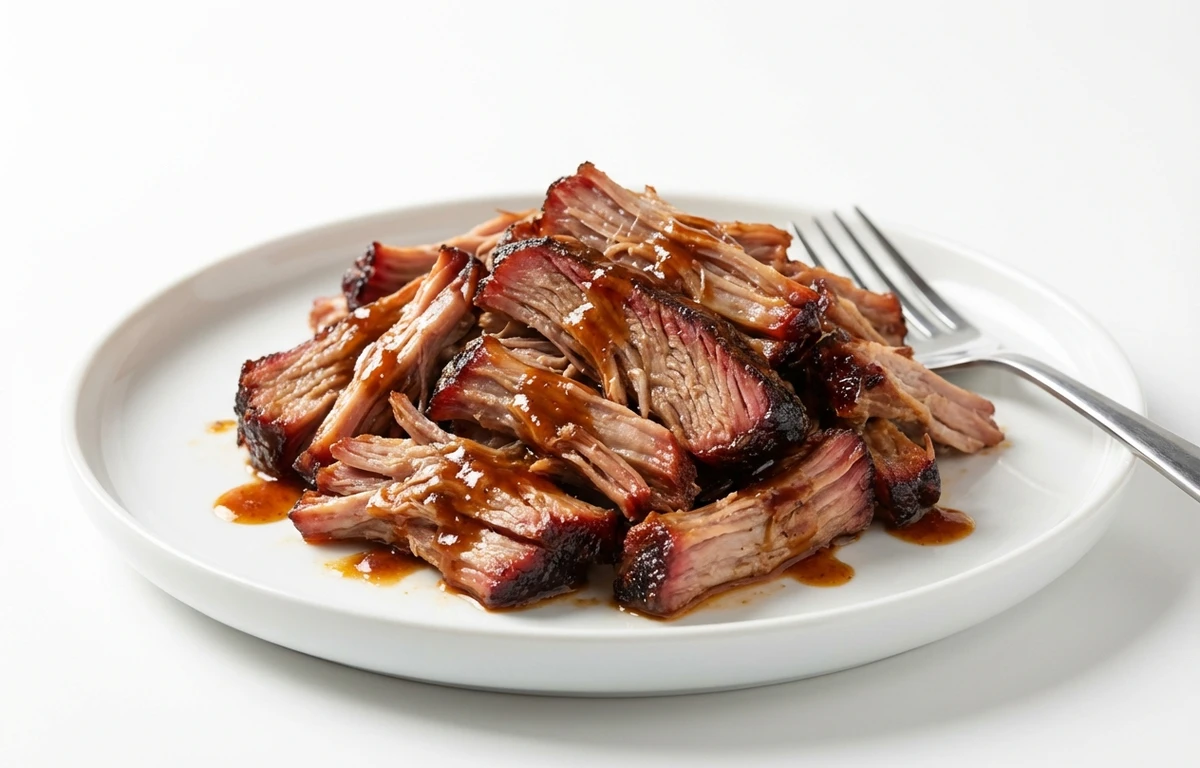
cooked pulled pork.
VegetarianVeganGluten-freeDairy-freeNut-freePeanut-freeSoy-freeEgg-freeShellfish-freeHoney-freeAlcohol-freeHalalKosher
ALSO KNOWN AS
pulled pork
SERVING
CALORIES
250
PROTEIN
26g
CARBS
0g
FAT
16g
FIBER
0g
NUTRITION PROFILE · per 100 g
Everything in this ingredient.
MACRONUTRIENTS
Calories250kcal—
Protein26g52%
Carbohydrates0g0%
Fiber0g0%
Sugar0g0%
Total fat16g21%
Saturated fat6.5g33%
Trans fat0.02g—
Cholesterol85mg28%
Water55g—
MINERALS
Sodium65mg3%
Potassium320mg7%
Calcium12mg1%
Iron1.1mg6%
Magnesium22mg5%
Phosphorus161mg13%
Zinc1.9mg17%
Copper0.10mg11%
Manganese0.09mg4%
Selenium27.6µg50%
VITAMINS
Vitamin A0µg0%
Vitamin C0mg0%
Vitamin D0.60µg3%
Vitamin E0.89mg6%
Vitamin K1.4µg1%
Thiamin (B1)0.17mg14%
Riboflavin (B2)0.13mg10%
Niacin (B3)3.0mg19%
Pantothenic acid (B5)0.81mg16%
Vitamin B60.25mg15%
Folate (B9)2.0µg1%
Vitamin B120.41µg17%
%DV based on a 2,000 cal diet. Source: USDA FoodData Central. A dash in the %DV column means there’s no established Daily Value for that nutrient.
MEASUREMENT CONVERSIONS
How much is what.
1 cup249g
1 tablespoon15.6g
1 teaspoon5.2g
1 oz28.4g
1 lb453.6g
1 ml1g
1 liter1037.5g
HEALTH BENEFITS
Why eat it.
- ✓Excellent source of complete protein, essential for muscle building and repair.
- ✓Rich in B vitamins, particularly thiamin (B1), niacin (B3), and B6, which are vital for energy metabolism and nervous system function.
- ✓Provides key minerals like selenium, zinc, and phosphorus, supporting immune function, thyroid health, and bone strength.
- ✓Contains highly bioavailable heme iron, which helps prevent iron-deficiency anemia.
COOKING TIPS
In the kitchen.
- 1To prevent drying out, reheat gently with a splash of liquid (broth, apple juice, or water) in a covered pan or in a low-temperature oven.
- 2For crispy edges similar to carnitas, spread reheated pulled pork on a baking sheet and broil for 1-2 minutes until browned.
- 3Pulled pork is highly versatile; use it in sandwiches, tacos, nachos, salads, stuffed potatoes, or as a pizza topping.
- 4If adding a sugary sauce like BBQ, mix it in during the last few minutes of reheating to prevent it from burning.
STORAGE
Keep it fresh.
- Refrigerate in an airtight container at or below 40°F (4°C) and consume within 3-4 days.
- For longer storage, freeze in a freezer-safe bag or container for up to 3 months. Thaw overnight in the refrigerator before use.
FAQ
Frequently asked questions.
Is cooked pulled pork healthy?
Cooked pulled pork is a nutrient-dense source of complete protein, B vitamins, and essential minerals like zinc and selenium. While it is highly beneficial for muscle repair and energy metabolism, its overall health profile depends on the cut of meat and whether sugary BBQ sauces are added.
How much protein is in pulled pork?
A 100g serving of cooked pulled pork contains approximately 26g of protein. This high protein content makes it an excellent food choice for supporting muscle growth, tissue repair, and long-lasting satiety.
Is pulled pork keto-friendly?
Yes, plain cooked pulled pork is very keto-friendly because it contains 0g of carbohydrates and a moderate amount of fat (16g per 100g). To maintain ketosis, ensure you use sugar-free dry rubs and avoid traditional high-sugar barbecue sauces.
Is pulled pork gluten-free?
Pure cooked pork is naturally gluten-free. However, many commercial spice rubs, marinades, and BBQ sauces contain gluten as a thickener or flavoring agent, so it is important to check ingredient labels if you have a gluten sensitivity.
Can I eat pulled pork for weight loss?
Pulled pork can support weight loss goals due to its high protein content, which helps regulate appetite and preserve lean muscle mass. For the best results, choose leaner cuts, trim visible fat, and serve it with vegetables rather than high-calorie buns or sugary sauces.
How long does cooked pulled pork last in the fridge?
Cooked pulled pork can be safely stored in an airtight container in the refrigerator for 3 to 4 days. To maintain the best quality and safety, ensure the meat is cooled and refrigerated within two hours of cooking.
Can you freeze cooked pulled pork?
Yes, cooked pulled pork freezes very well for up to 2 to 3 months. For the best results, store it in vacuum-sealed bags or airtight freezer containers with a little bit of cooking liquid or sauce to prevent the meat from drying out.
How do you reheat pulled pork without drying it out?
To keep pulled pork moist, reheat it in the oven or a slow cooker with a splash of broth, apple juice, or water. Covering the dish tightly with foil or a lid helps trap steam, which preserves the meat's tender texture.
What are the main vitamins and minerals in pulled pork?
Pulled pork is an excellent source of B vitamins, particularly thiamin (B1), niacin (B3), and B6, which are vital for the nervous system. It also provides highly bioavailable heme iron, phosphorus, and zinc to support immune and bone health.
Is pulled pork high in fat?
Pulled pork contains about 16g of fat per 100g, as it is traditionally made from the pork shoulder, a cut known for its marbling. While this fat provides flavor and moisture, those on a low-fat diet should consume it in moderation or opt for leaner cuts like pork loin.



















