
Vegetable
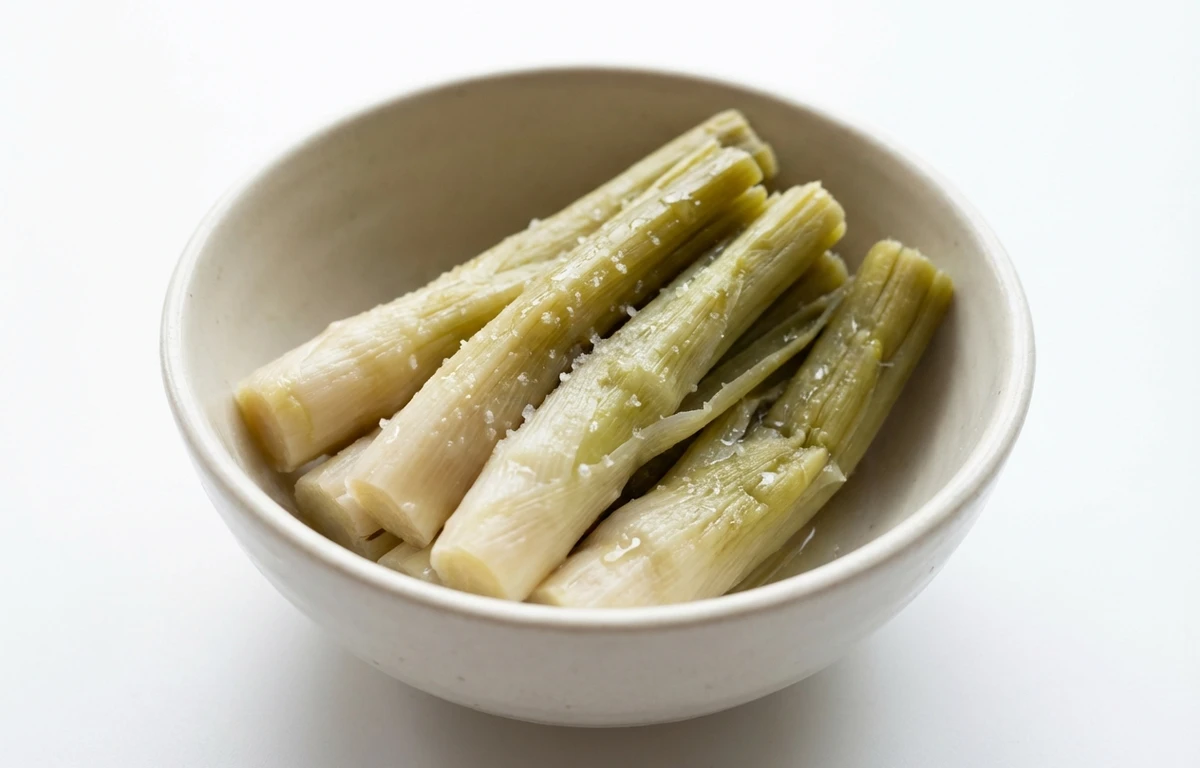
cooked salted taro shoots.
VegetarianVeganGluten-freeDairy-freeNut-freePeanut-freeSoy-freeEgg-freeShellfish-freeHoney-freeAlcohol-free
SERVING
CALORIES
28
PROTEIN
0.70g
CARBS
5.2g
FAT
0.10g
FIBER
2.5g
NUTRITION PROFILE · per 100 g
Everything in this ingredient.
MACRONUTRIENTS
Calories28kcal—
Protein0.70g1%
Carbohydrates5.2g2%
Fiber2.5g9%
Sugar0.50g1%
Total fat0.10g0%
Saturated fat0.02g0%
Trans fat0g—
Cholesterol0mg0%
Water90.4g—
MINERALS
Sodium600mg26%
Potassium320mg7%
Calcium52mg4%
Iron0.60mg3%
Magnesium24mg6%
Phosphorus31mg2%
Zinc0.20mg2%
Copper0.08mg9%
Manganese0.15mg7%
Selenium0.40µg1%
VITAMINS
Vitamin A12µg1%
Vitamin C4.5mg5%
Vitamin D0µg0%
Vitamin E0.80mg5%
Vitamin K15µg13%
Thiamin (B1)0.04mg3%
Riboflavin (B2)0.03mg2%
Niacin (B3)0.40mg3%
Pantothenic acid (B5)0.15mg3%
Vitamin B60.06mg4%
Folate (B9)18µg5%
Vitamin B120µg0%
%DV based on a 2,000 cal diet. Source: USDA FoodData Central. A dash in the %DV column means there’s no established Daily Value for that nutrient.
MEASUREMENT CONVERSIONS
How much is what.
1 cup140g
1 tablespoon8.8g
1 teaspoon2.9g
1 ml0.6g
1 liter583.3g
HEALTH BENEFITS
Why eat it.
- ✓Good source of dietary fiber, which aids in digestion and promotes gut health.
- ✓Rich in potassium, an essential mineral for maintaining healthy blood pressure and fluid balance.
- ✓Contains important vitamins and minerals, including Vitamin C for immune function and manganese for metabolism and bone health.
- ✓Provides antioxidants that help protect the body against damage from free radicals.
COOKING TIPS
In the kitchen.
- 1Crucially, taro shoots must always be thoroughly cooked to neutralize calcium oxalate crystals, which are toxic when raw and cause severe irritation.
- 2Since the shoots are pre-salted, rinse them under cold water if you wish to reduce the sodium content, and adjust the salt in your recipe accordingly.
- 3Incorporate them into coconut-based curries, soups, or stir-fries. Their mild, slightly nutty flavor absorbs other flavors well.
- 4Taro shoots have a texture similar to cooked asparagus or bamboo shoots and can be used as a substitute in many recipes.
STORAGE
Keep it fresh.
- Store in an airtight container in the refrigerator for up to 4-5 days.
- For longer storage, freeze in a single layer on a baking sheet before transferring to a freezer-safe bag. This prevents clumping and allows for easy portioning.
FAQ
Frequently asked questions.
Are cooked salted taro shoots healthy?
Yes, cooked salted taro shoots are a healthy, low-calorie vegetable option. They are rich in dietary fiber for digestion and provide essential minerals like potassium and manganese, though those on low-sodium diets should be mindful of the salt content.
How many calories and carbs are in cooked salted taro shoots?
A 100g serving contains approximately 28 calories and 5.2g of carbohydrates. This makes them a very light, low-density food suitable for various calorie-controlled diets.
What are the primary health benefits of taro shoots?
Taro shoots are excellent for gut health due to their fiber content and support heart health through potassium, which helps regulate blood pressure. They also provide Vitamin C for immune support and antioxidants to fight oxidative stress.
Are cooked salted taro shoots vegan and gluten-free?
Yes, taro shoots are naturally vegan and gluten-free. When buying pre-packaged salted or pickled versions, always check the label to ensure no gluten-containing additives or animal-derived preservatives were used.
Can I eat taro shoots raw?
No, taro shoots should never be eaten raw. They contain calcium oxalate crystals that cause intense itching and irritation in the mouth and throat; thorough cooking or the salting/fermentation process is required to neutralize these crystals.
Are taro shoots keto-friendly?
With only 5.2g of carbs per 100g, cooked taro shoots can be incorporated into a keto or low-carb diet. They provide volume and fiber to meals without a significant impact on daily carbohydrate limits.
What do cooked salted taro shoots taste like?
They have a mild, slightly earthy flavor and a unique, spongy texture that is excellent at absorbing the flavors of sauces and spices. The salted version adds a savory, briny depth to dishes.
How do you use cooked salted taro shoots in cooking?
They are commonly added to soups, stews, and stir-fries. Because they are already salted and cooked, they can be rinsed to reduce saltiness and then tossed into a dish near the end of the cooking process to soak up the broth.
How should I store cooked salted taro shoots?
Store them in an airtight container in the refrigerator for up to 3 to 5 days. If they are heavily salted or submerged in a brine, they may stay fresh for up to a week, but always check for off-odors or slime before consuming.
Can I freeze cooked taro shoots?
Yes, you can freeze them in an airtight bag for up to 3 months. However, the spongy texture may become slightly softer or more fibrous upon thawing, so they are best used in blended soups or long-simmered stews after freezing.



















