
Seafood
cooked seatrout.
VegetarianVeganGluten-freeDairy-freeNut-freePeanut-freeSoy-freeEgg-freeShellfish-freeHoney-freeAlcohol-free
ALSO KNOWN AS
seatrout
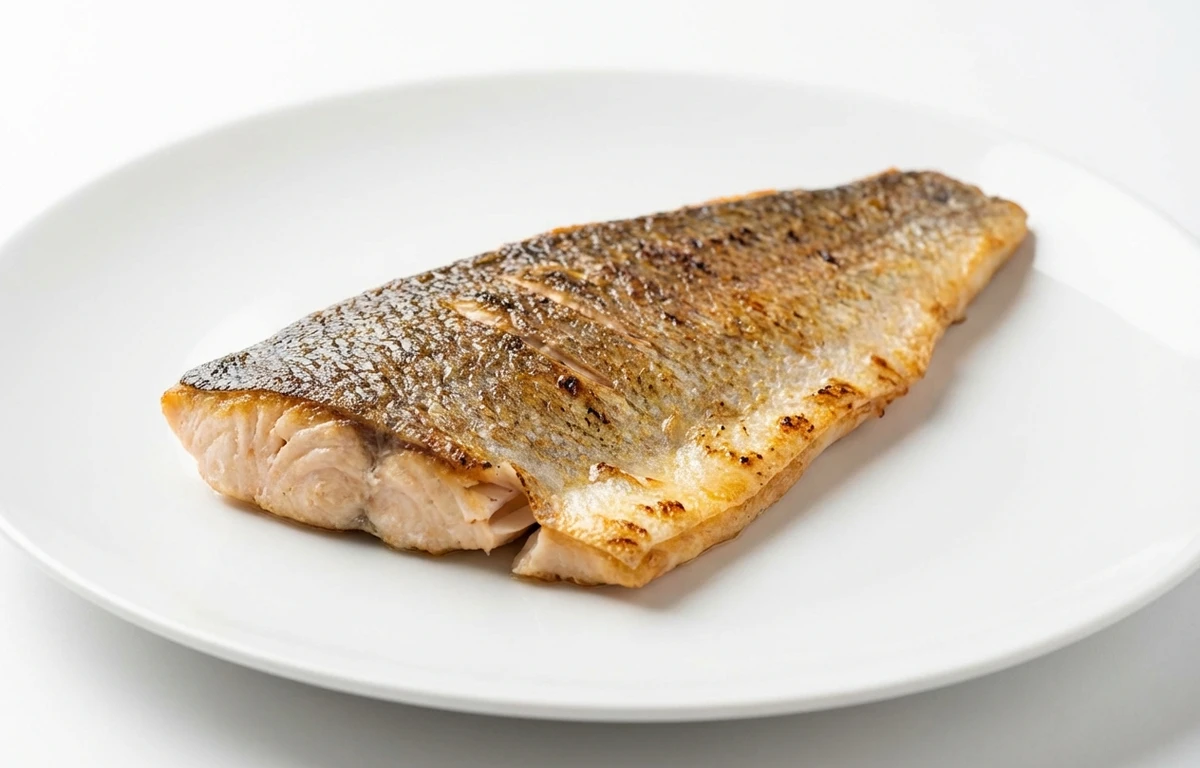
SERVING
CALORIES
190
PROTEIN
24.5g
CARBS
0g
FAT
9.5g
FIBER
0g
NUTRITION PROFILE · per 100 g
Everything in this ingredient.
MACRONUTRIENTS
Calories190kcal—
Protein24.5g49%
Carbohydrates0g0%
Fiber0g0%
Sugar0g0%
Total fat9.5g12%
Saturated fat2.1g11%
Trans fat0g—
Cholesterol85mg28%
Water64g—
MINERALS
Sodium65mg3%
Potassium460mg10%
Calcium35mg3%
Iron1.2mg7%
Magnesium30mg7%
Phosphorus270mg22%
Zinc1.1mg10%
Copper0.08mg9%
Manganese0.02mg1%
Selenium35µg64%
VITAMINS
Vitamin A15µg2%
Vitamin C0mg0%
Vitamin D12.5µg63%
Vitamin E2.5mg17%
Vitamin K0.10µg0%
Thiamin (B1)0.15mg13%
Riboflavin (B2)0.12mg9%
Niacin (B3)5.5mg34%
Pantothenic acid (B5)0.90mg18%
Vitamin B60.40mg24%
Folate (B9)12µg3%
Vitamin B124.5µg188%
%DV based on a 2,000 cal diet. Source: USDA FoodData Central. A dash in the %DV column means there’s no established Daily Value for that nutrient.
MEASUREMENT CONVERSIONS
How much is what.
1 cup145g
1 tablespoon9.1g
1 teaspoon3g
1 ml0.6g
1 liter604.2g
1 piece140g
HEALTH BENEFITS
Why eat it.
- ✓Rich in omega-3 fatty acids (EPA and DHA), which support heart health by reducing inflammation and blood pressure.
- ✓Excellent source of high-quality, lean protein, essential for muscle building, tissue repair, and satiety.
- ✓Provides significant amounts of Vitamin B12 and selenium, crucial for nerve function, red blood cell formation, and antioxidant defense.
- ✓Supports brain health and cognitive function due to its concentration of omega-3s.
COOKING TIPS
In the kitchen.
- 1Seatrout has a delicate, mild flavor and tender flesh; simple cooking methods like pan-searing, baking, or broiling are best to preserve its texture and taste.
- 2Season lightly with salt, pepper, lemon juice, and fresh herbs like dill or parsley to complement its natural flavor without overpowering it.
- 3Cook until the internal temperature reaches 145°F (63°C), or until the flesh is opaque and flakes easily with a fork. Be careful not to overcook, as it can become dry.
- 4When pan-searing, cook skin-side down first for a crispy skin, using a moderate heat to prevent the delicate flesh from falling apart.
STORAGE
Keep it fresh.
- Store cooked seatrout in an airtight container in the refrigerator at or below 40°F (4°C) and consume within 3-4 days.
- For longer storage, freeze cooked seatrout in a freezer-safe bag or airtight container for up to 3 months. Thaw in the refrigerator before use.
FAQ
Frequently asked questions.
Is cooked seatrout healthy?
Yes, cooked seatrout is highly nutritious. It is an excellent source of omega-3 fatty acids (EPA and DHA) which support heart and brain health, and it provides essential nutrients like Vitamin B12 and selenium for immune and nerve function.
How much protein is in cooked seatrout?
Cooked seatrout is a high-protein food, providing approximately 24.5g of protein per 100g serving. This makes it an excellent choice for muscle building, tissue repair, and maintaining fullness.
Is cooked seatrout keto-friendly?
Yes, cooked seatrout is ideal for keto and low-carb diets. It contains 0g of carbohydrates and provides 9.5g of healthy fats per 100g, helping those on ketogenic diets meet their fat and protein macros.
What does cooked seatrout taste like?
Cooked seatrout has a mild, delicate, and slightly sweet flavor. Its taste is often described as a middle ground between salmon and freshwater trout, with a tender, flaky texture that absorbs seasonings well.
How long does cooked seatrout last in the refrigerator?
Once cooked, seatrout should be stored in an airtight container and kept in the refrigerator. It is best consumed within 3 to 4 days to ensure quality and safety.
Can you freeze cooked seatrout?
Yes, you can freeze cooked seatrout for up to 3 months. To maintain the best texture, wrap it tightly in plastic wrap or aluminum foil and place it in a heavy-duty freezer bag to prevent freezer burn.
Is cooked seatrout good for weight loss?
Seatrout is a great option for weight loss because it is nutrient-dense and high in protein. The high protein content increases satiety, which can help reduce overall calorie intake throughout the day.
Is cooked seatrout gluten-free?
Naturally, seatrout is 100% gluten-free. However, if the fish was prepared with breading, flour-based sauces, or certain marinades (like those containing soy sauce), it may no longer be gluten-free.
How do you reheat cooked seatrout without drying it out?
The best way to reheat seatrout is in the oven at a low temperature (275°F/135°C) with a splash of water or broth, covered with foil. This creates steam that helps the fish remain moist and flaky.
Does seatrout contain high levels of mercury?
Seatrout generally has low to moderate mercury levels, making it safer than many larger predatory fish. It is typically recommended as a healthy seafood choice that can be eaten 2-3 times per week by most adults.



















