
Grain
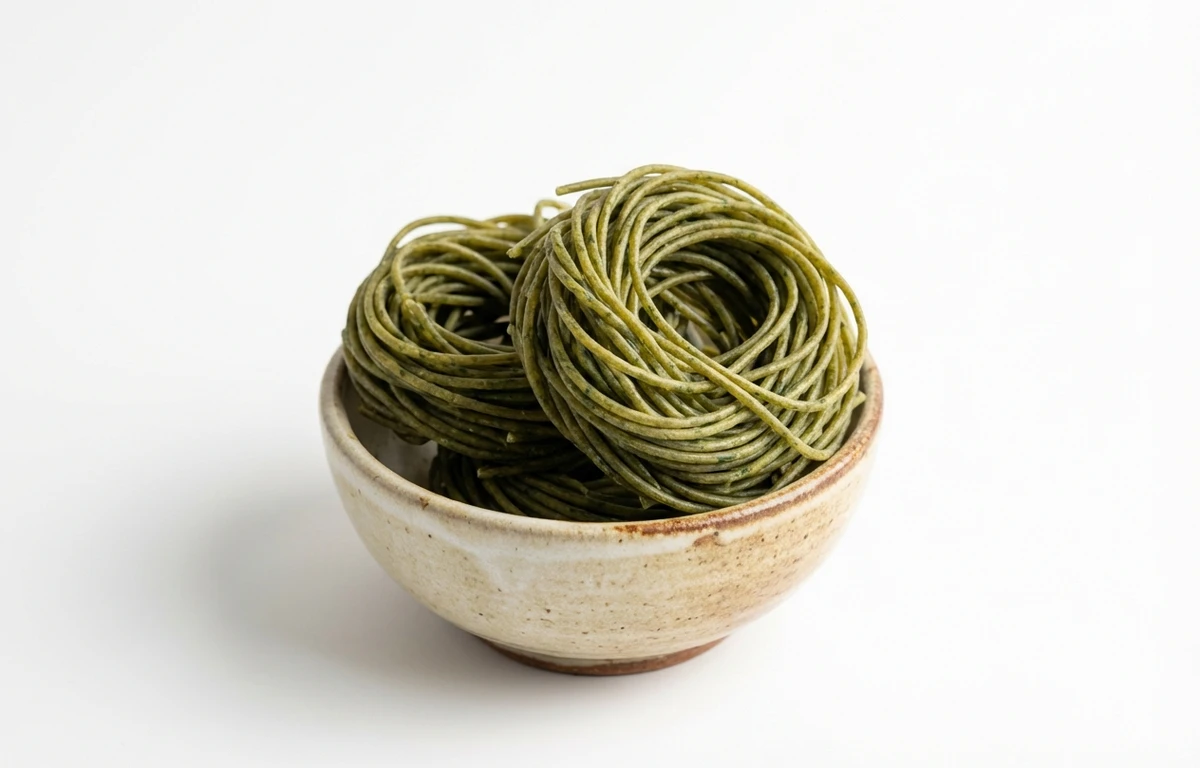
cooked spinach spaghetti.
VegetarianVeganGluten-freeDairy-freeNut-freePeanut-freeSoy-freeEgg-freeShellfish-freeHoney-freeAlcohol-free
ALSO KNOWN AS
spinach pastagreen spaghettipasta al spinacispinach noodlesvegetable spaghetti
SERVING
CALORIES
131
PROTEIN
5.1g
CARBS
25g
FAT
0.60g
FIBER
2.4g
NUTRITION PROFILE · per 100 g
Everything in this ingredient.
MACRONUTRIENTS
Calories131kcal—
Protein5.1g10%
Carbohydrates25g9%
Fiber2.4g9%
Sugar0.60g1%
Total fat0.60g1%
Saturated fat0.10g1%
Trans fat0g—
Cholesterol0mg0%
Water68g—
MINERALS
Sodium6.0mg0%
Potassium110mg2%
Calcium15mg1%
Iron1.3mg7%
Magnesium25mg6%
Phosphorus75mg6%
Zinc0.70mg6%
Copper0.10mg11%
Manganese0.30mg13%
Selenium22µg40%
VITAMINS
Vitamin A45µg5%
Vitamin C0.20mg0%
Vitamin D0µg0%
Vitamin E0.10mg1%
Vitamin K10.5µg9%
Thiamin (B1)0.15mg13%
Riboflavin (B2)0.05mg4%
Niacin (B3)1.2mg8%
Pantothenic acid (B5)0.10mg2%
Vitamin B60.05mg3%
Folate (B9)18µg5%
Vitamin B120µg0%
%DV based on a 2,000 cal diet. Source: USDA FoodData Central. A dash in the %DV column means there’s no established Daily Value for that nutrient.
MEASUREMENT CONVERSIONS
How much is what.
1 cup140g
1 tablespoon9g
1 oz28.4g
1 lb453.6g
HEALTH BENEFITS
Why eat it.
- ✓Provides complex carbohydrates for sustained energy
- ✓Contains lutein and Vitamin A from spinach for eye health
- ✓Source of iron which supports oxygen transport in blood
- ✓Lower in fat compared to egg-based pastas
- ✓Provides essential B-vitamins for metabolic function
COOKING TIPS
In the kitchen.
- 1Cook in a large pot of salted boiling water until 'al dente' for best texture
- 2Avoid overcooking as spinach pasta can become mushy faster than plain pasta
- 3Reserve a small amount of pasta water to help sauces emulsify and stick to the noodles
STORAGE
Keep it fresh.
- Store in an airtight container in the refrigerator for 3-5 days
- Toss with a small amount of olive oil before storing to prevent sticking
- Can be frozen for up to 2 months, though texture may become slightly softer
FAQ
Frequently asked questions.
How long does cooked spinach spaghetti last in the fridge?
When stored in an airtight container, it stays fresh for 3 to 5 days.
Is spinach spaghetti healthier than regular spaghetti?
It contains slightly more Vitamin A, Iron, and Magnesium due to the spinach content, but the caloric and carb counts are very similar to regular pasta.
Can I freeze cooked spinach spaghetti?
Yes, you can freeze it for up to 2 months. For best results, freeze it slightly undercooked and reheat by dropping it into boiling water for 1 minute.
Does spinach spaghetti contain gluten?
Yes, most spinach spaghetti is made from durum wheat semolina and contains gluten.
What sauces pair best with spinach spaghetti?
Light cream sauces, garlic and olive oil (aglio e olio), pesto, or lemon-butter sauces complement the subtle earthy flavor of the spinach.
How do I prevent the spaghetti from sticking together after cooking?
Rinse briefly with cold water if serving cold, or toss with a teaspoon of olive oil if storing or waiting to serve.
Is spinach spaghetti vegan?
Most dried spinach spaghetti is vegan as it is made from wheat and spinach. However, fresh spinach pasta often contains eggs, so check the label.
How do I reheat cooked spinach spaghetti?
The best way is to sauté it briefly in a pan with a little oil or butter, or microwave it covered with a damp paper towel to maintain moisture.
Why is my spinach spaghetti losing its color?
Overcooking or exposure to high heat for too long can cause the chlorophyll in the spinach to break down, leading to a duller green or brownish color.



















