
Meat
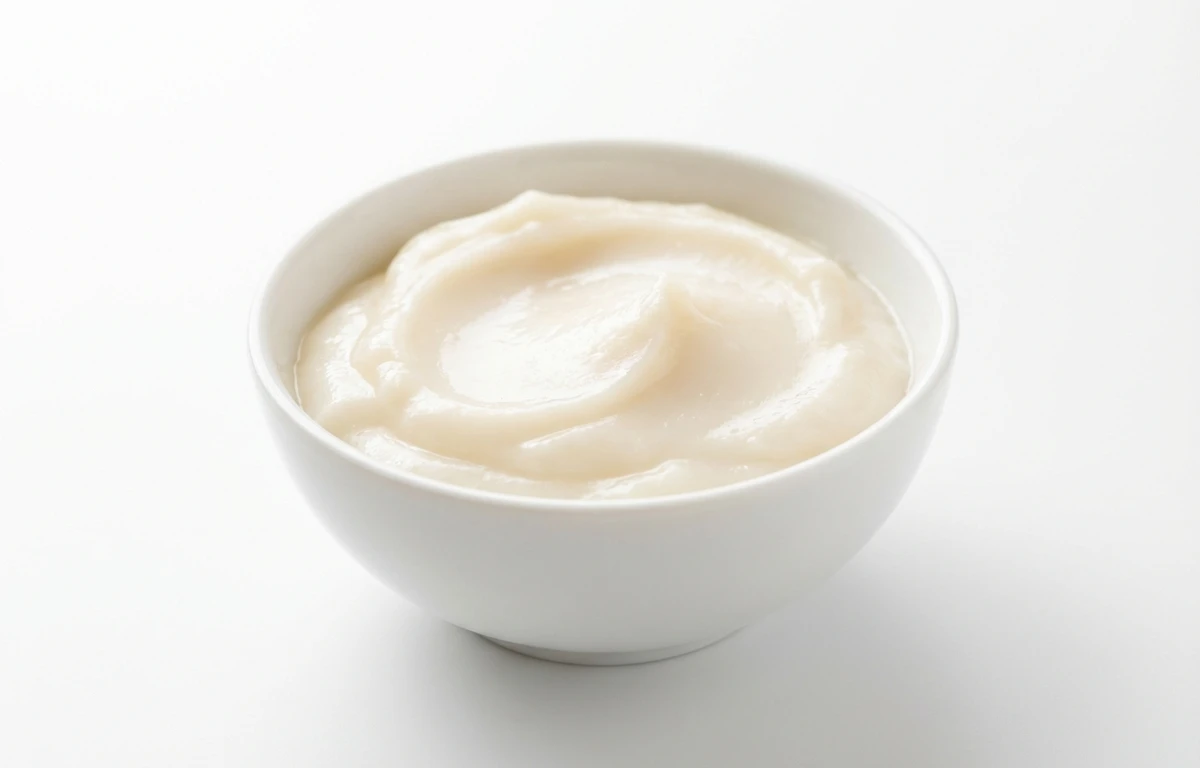
cooked veal fat.
VegetarianVeganGluten-freeDairy-freeNut-freePeanut-freeSoy-freeEgg-freeShellfish-freeHoney-freeAlcohol-free
SERVING
CALORIES
854
PROTEIN
1.5g
CARBS
0g
FAT
94g
FIBER
0g
NUTRITION PROFILE · per 100 g
Everything in this ingredient.
MACRONUTRIENTS
Calories854kcal—
Protein1.5g3%
Carbohydrates0g0%
Fiber0g0%
Sugar0g0%
Total fat94g121%
Saturated fat48g240%
Trans fat3.5g—
Cholesterol105mg35%
Water4.0g—
MINERALS
Sodium15mg1%
Potassium20mg0%
Calcium5.0mg0%
Iron0.20mg1%
Magnesium1.0mg0%
Phosphorus25mg2%
Zinc0.10mg1%
Copper0.01mg1%
Manganese0.01mg0%
Selenium1.5µg3%
VITAMINS
Vitamin A0µg0%
Vitamin C0mg0%
Vitamin D0.70µg3%
Vitamin E1.2mg8%
Vitamin K1.5µg1%
Thiamin (B1)0.01mg1%
Riboflavin (B2)0.02mg2%
Niacin (B3)0.10mg1%
Pantothenic acid (B5)0.05mg1%
Vitamin B60.01mg1%
Folate (B9)0µg0%
Vitamin B120.10µg4%
%DV based on a 2,000 cal diet. Source: USDA FoodData Central. A dash in the %DV column means there’s no established Daily Value for that nutrient.
MEASUREMENT CONVERSIONS
How much is what.
1 cup213g
1 tablespoon13.3g
1 teaspoon4.4g
1 ml0.9g
1 liter886.7g
HEALTH BENEFITS
Why eat it.
- ✓Provides a concentrated source of energy due to its high caloric density.
- ✓Contains fat-soluble vitamins such as A, D, E, and K, which are essential for various bodily functions.
- ✓Enhances flavor and promotes satiety, which can help with appetite control.
- ✓Source of stearic acid, a type of saturated fat that has been shown to have a neutral effect on blood cholesterol levels.
- ✓Can be a source of Conjugated Linoleic Acid (CLA), particularly if from grass-fed animals, which is studied for potential anti-inflammatory benefits.
COOKING TIPS
In the kitchen.
- 1Use as a high-temperature cooking fat for searing meats or roasting root vegetables, as it has a high smoke point and imparts a rich flavor.
- 2Incorporate into savory pastry doughs, like pie crusts or biscuits, for a flaky and tender texture.
- 3Melt and use as a base for rich sauces and gravies, adding depth and a silky mouthfeel.
- 4Use to confit meats like duck or chicken for incredibly tender and flavorful results.
STORAGE
Keep it fresh.
- Store rendered veal fat in an airtight container in the refrigerator for up to one month.
- For long-term storage, freeze in an airtight container or ice cube trays for up to one year to prevent rancidity.
FAQ
Frequently asked questions.
Is cooked veal fat healthy?
Cooked veal fat is a concentrated energy source that provides essential fat-soluble vitamins A, D, E, and K. It contains stearic acid, which has a neutral effect on blood cholesterol, and may contain anti-inflammatory CLA if sourced from grass-fed animals. However, due to its high caloric density, it should be consumed in moderation.
How many calories and fat are in cooked veal fat?
Cooked veal fat is very energy-dense, containing approximately 854 calories and 94 grams of fat per 100-gram serving. It contains almost no carbohydrates and only a trace amount of protein (1.5g), making it nearly pure lipid.
Is cooked veal fat keto-friendly?
Yes, cooked veal fat is excellent for ketogenic and low-carb diets. With 0g of carbohydrates and a very high fat content, it helps individuals reach their daily fat macros and promotes satiety, which can assist with appetite control.
How do you use cooked veal fat in cooking?
Cooked veal fat can be rendered into tallow for high-heat frying, used to baste lean meats, or added to stews for a richer mouthfeel. It is particularly prized for adding flavor and moisture to dishes that use leaner cuts of veal or beef.
What does cooked veal fat taste like?
Cooked veal fat has a rich, savory, and slightly sweet flavor that is milder and more delicate than the fat from older beef. It provides a buttery texture to dishes and enhances the natural umami of meats.
Is cooked veal fat suitable for a carnivore diet?
Yes, it is a highly valued ingredient in the carnivore diet. It provides the necessary animal-based fats and calories required for energy when consuming primarily animal products, especially when paired with leaner cuts of meat.
How should I store cooked veal fat?
Store cooked veal fat in a sealed, airtight container in the refrigerator for up to two weeks. For long-term storage, it can be frozen for up to six months; rendering it into tallow before storage can further extend its shelf life.
How can I tell if cooked veal fat has gone bad?
Spoiled veal fat will develop a sharp, unpleasant, or 'soapy' rancid odor caused by oxidation. If you notice any visible mold, significant discoloration, or a sour taste, the fat should be discarded immediately.
Can I substitute cooked veal fat with other fats?
Yes, cooked veal fat can be substituted with beef fat (tallow), lard, or duck fat in most recipes. While the flavor profile will change slightly—beef fat being stronger and duck fat being more savory—the cooking properties remain similar.
Is cooked veal fat halal or kosher?
Veal fat is considered halal or kosher only if the animal was slaughtered and processed according to specific religious dietary laws. Users should look for certified labels if they have these specific dietary requirements.



















