
Spice1 recipes
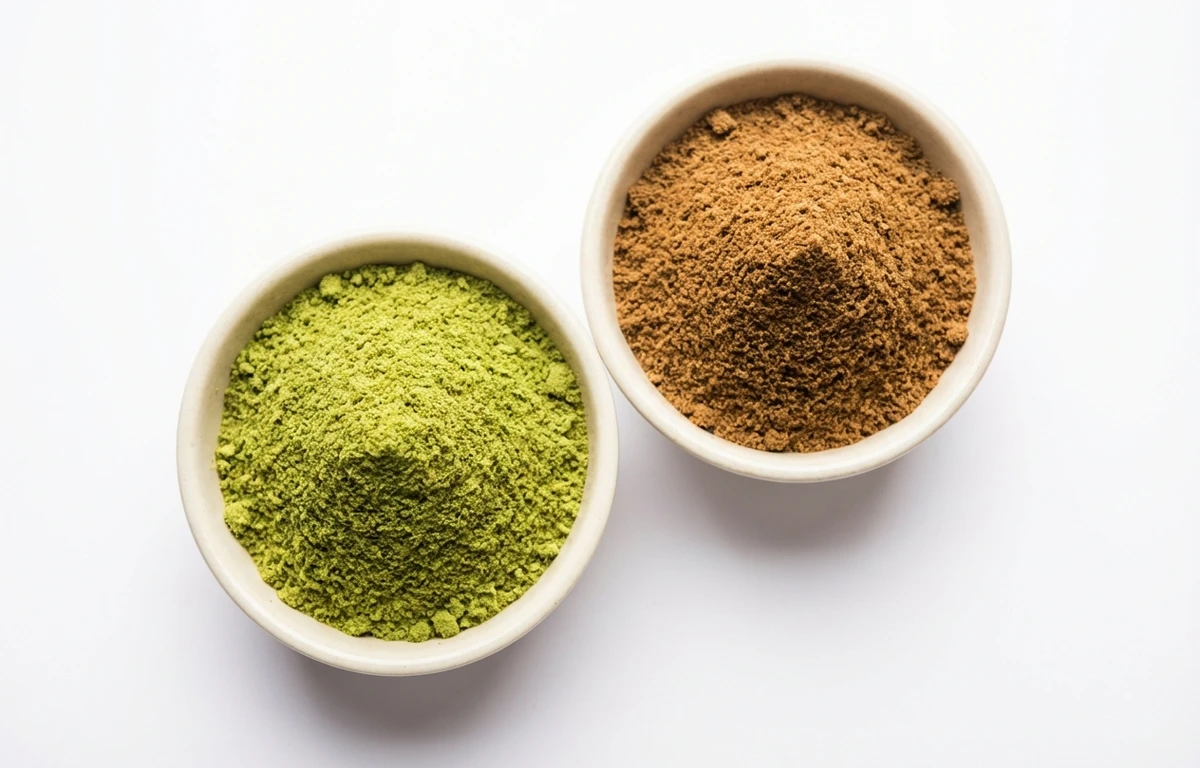
coriander cumin powder.
VegetarianVeganGluten-freeDairy-freeNut-freePeanut-freeSoy-freeEgg-freeShellfish-freeHoney-freeAlcohol-free
ALSO KNOWN AS
dhana jeera powderdhania jeera powderCoriander Cumin PowderDhana JiruCumin Coriander MixGround Coriander and CuminDhana Jeeru Powder
SERVING
CALORIES
335
PROTEIN
14.5g
CARBS
48g
FAT
18.5g
FIBER
32g
NUTRITION PROFILE · per 100 g
Everything in this ingredient.
MACRONUTRIENTS
Calories335kcal—
Protein14.5g29%
Carbohydrates48g17%
Fiber32g114%
Sugar1.5g3%
Total fat18.5g24%
Saturated fat1.1g6%
Trans fat0g—
Cholesterol0mg0%
Water8.0g—
MINERALS
Sodium55mg2%
Potassium1520mg32%
Calcium810mg62%
Iron46mg256%
Magnesium355mg85%
Phosphorus450mg36%
Zinc4.5mg41%
Copper0.90mg100%
Manganese3.1mg135%
Selenium10.5µg19%
VITAMINS
Vitamin A35µg4%
Vitamin C12mg13%
Vitamin D0µg0%
Vitamin E2.5mg17%
Vitamin K40µg33%
Thiamin (B1)0.30mg25%
Riboflavin (B2)0.30mg23%
Niacin (B3)3.5mg22%
Pantothenic acid (B5)1.2mg24%
Vitamin B60.50mg29%
Folate (B9)15µg4%
Vitamin B120µg0%
%DV based on a 2,000 cal diet. Source: USDA FoodData Central. A dash in the %DV column means there’s no established Daily Value for that nutrient.
MEASUREMENT CONVERSIONS
How much is what.
1 cup96g
1 tablespoon6g
1 teaspoon2g
1 oz28.4g
1 lb453.6g
1 ml2.5g
HEALTH BENEFITS
Why eat it.
- ✓Aids in digestion and reduces bloating
- ✓Excellent source of dietary iron
- ✓Contains antioxidants that fight oxidative stress
- ✓May help in managing blood sugar levels
- ✓Anti-inflammatory properties from essential oils
COOKING TIPS
In the kitchen.
- 1Add to hot oil or ghee at the start of cooking to release fat-soluble flavors
- 2Use a 2:1 ratio of coriander to cumin if making the blend at home
- 3Lightly toast the whole seeds before grinding for a deeper, nuttier flavor
STORAGE
Keep it fresh.
- Store in an airtight glass container to preserve aroma
- Keep in a cool, dark, and dry place away from direct sunlight
- Avoid using a wet spoon to prevent clumping and mold
FAQ
Frequently asked questions.
What is coriander cumin powder?
It is a classic Indian spice blend made by grinding roasted coriander seeds and cumin seeds together, typically in a 2:1 ratio.
How long does coriander cumin powder last?
When stored in an airtight container in a cool, dark place, it maintains peak flavor for 6 to 12 months.
Can I substitute this with individual powders?
Yes, you can substitute 1 tablespoon of this blend with 2 teaspoons of coriander powder and 1 teaspoon of cumin powder.
Is coriander cumin powder gluten-free?
Yes, it is naturally gluten-free as it is made solely from seeds, though you should check labels for cross-contamination in processed brands.
How do I know if the powder has gone bad?
If the powder loses its strong, earthy aroma or if the color fades significantly, it has likely lost its potency and should be replaced.
What are the primary uses for this spice blend?
It is a staple in Indian curries, dals, vegetable stir-fries, and can also be used as a dry rub for meats or in marinades.
Should I buy it pre-ground or make it at home?
While pre-ground is convenient, making it at home by roasting and grinding whole seeds provides a much more intense and fresh flavor.
Can I freeze coriander cumin powder?
It is not recommended to freeze spices as moisture can enter the container, causing the powder to clump and lose flavor.
RECIPES
Cook with coriander cumin powder.
1 recipes · sorted by what’s quick



















